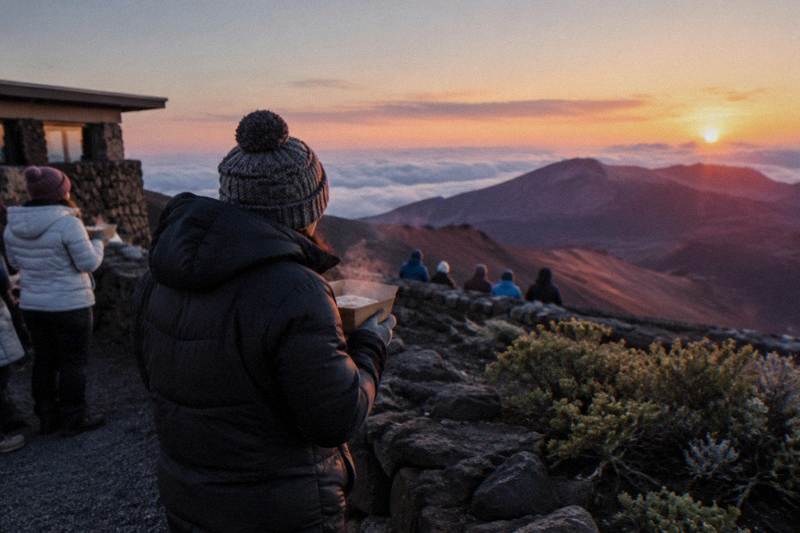
Why Is It So Hard To Get Haleakala Sunrise Tickets?
The real reasons Haleakala sunrise tickets vanish in minutes: a $1 reservation, a 150-vehicle cap, two release windows and one booking site. Plus what to do when they are gone.
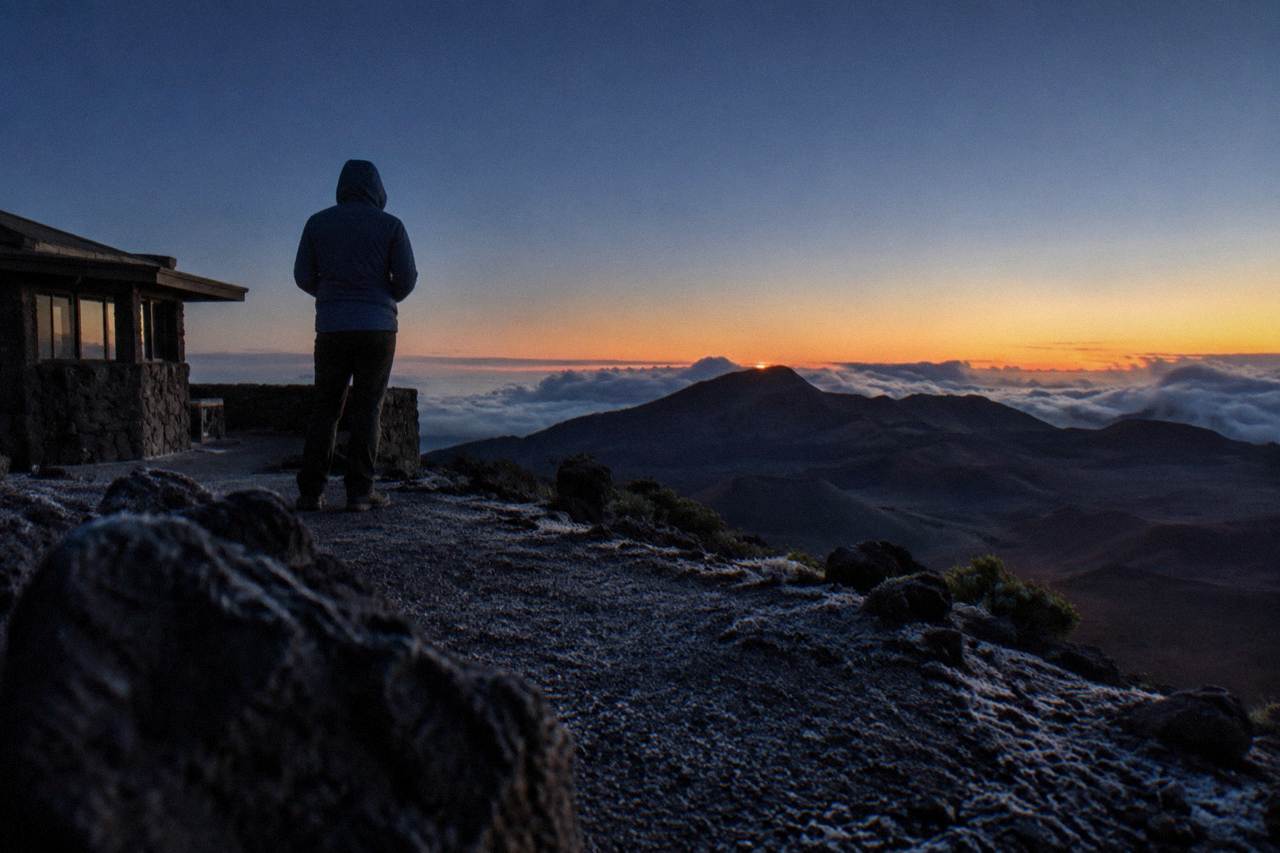
Haleakala sunrise tickets cost one dollar. That is the whole price, per vehicle, on top of the park entrance fee, and yet thousands of travelers every month fail to get one. The ticket is sold in exactly one place, released in exactly two windows, capped at roughly 150 vehicles for four overlooks, and the park itself warns that inventory from the main release can disappear in about fifteen minutes. Understanding why the system is built this way explains both the frustration and the workaround, and it is the single most common reason visitors who missed the window end up comparing Haleakala sunrise tours instead of driving themselves.
Why Is It So Hard To Get Haleakala Sunrise Tickets?
Haleakala sunrise tickets are hard to get because the park deliberately caps pre-dawn summit access at about 150 vehicles across four viewing areas, sells the $1 reservation on recreation.gov only, releases inventory 60 days ahead at 7:00 a.m. HST with a second small batch two days out, and sees the main batch sell out within roughly fifteen minutes. Demand simply dwarfs a supply the park keeps small on purpose.
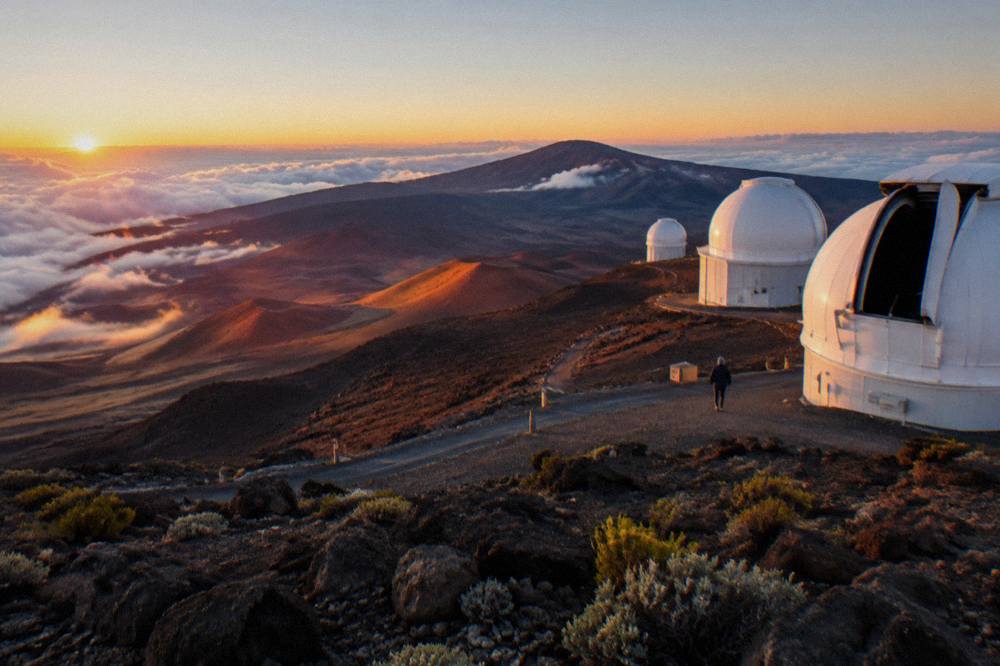
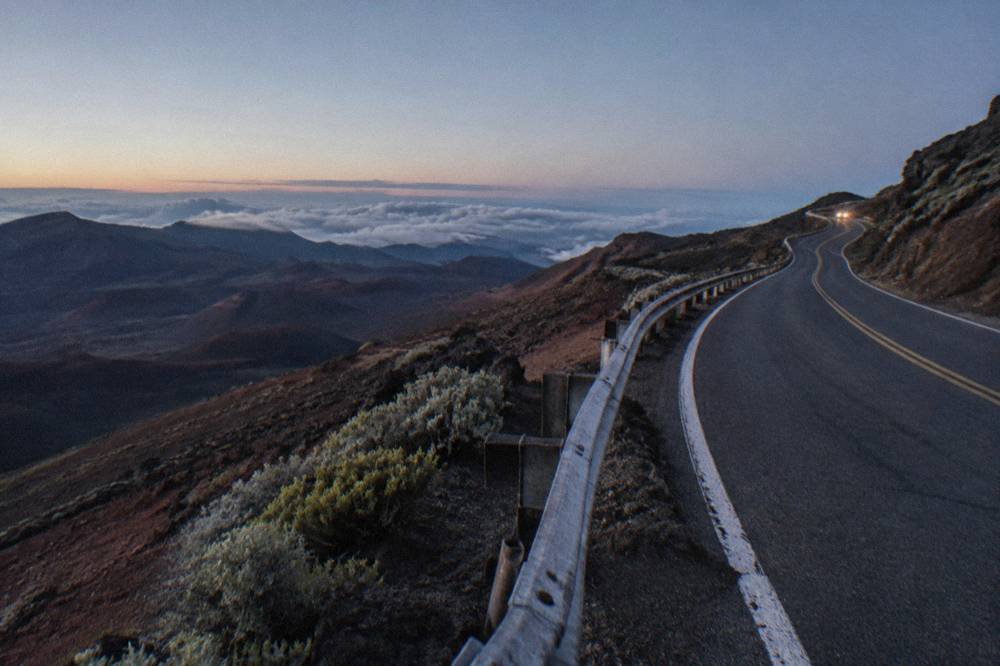
The cap is the heart of it. The National Park Service states plainly that "150 vehicles will be able to access the four sunrise viewing areas" each morning, spread across Pu'u 'Ula'ula (Red Hill) at 10,023 ft, Haleakala Visitor Center at 9,740 ft, Kalahaku Overlook at 9,324 ft and Leleiwi Overlook at 8,840 ft. Before the reservation system existed, pre-dawn traffic overwhelmed the summit road and its parking: a single winding highway, no streetlights, no guard rails in places, and lots that close when full. The reservation is a crowd-control tool wearing a one-dollar price tag.
The math is unkind. Maui receives well over two million visitors a year, and the summit sunrise is one of the island's signature experiences. Even if only a small fraction want to drive up on any given morning, that fraction routinely exceeds 150 vehicles, especially in peak travel weeks. So the park's own sunrise reservations FAQ describes a system designed to say no to most people, most days.
There is one sales channel, and that compounds the scarcity. Reservations are sold on recreation.gov only, released at 7:00 a.m. Hawaii Standard Time. There are no phone sales and no in-person sales at the park. A traveler on the East Coast has to be ready at 1:00 p.m. their time, on a site that slows down when a release drops and everyone refreshes at once. For anyone who has tried and failed, our companion piece on why the sunrise tour is worth considering covers the coach alternative in depth.
If the ticket hunt is not appealing, the three tours above all reach the summit for sunrise with pickup included: the 9-Hour Sunrise with Breakfast from Skyline Hawaii (from $236 per person, 4.7 from 678 reviews), the Sunrise Coach with Local Breakfast from Polynesian Adventure Tours (from $254, 4.7 from 2,471 reviews) and the Small-Coach Sunrise Breakfast from Valley Isle Excursions (from $264, 4.8 from 705 reviews). Authorized commercial tours operate under their own park authorization, which is a different arrangement from the $1 non-commercial vehicle reservation, and none of that early-morning ticket-chasing is yours to do.
Each of those three listings prints park admission differently, so read the inclusions before choosing. The Skyline listing covers the Haleakala National Park summit for sunrise; the Polynesian Adventure listing states Haleakala Crater and Visitor Center admission included; the Valley Isle Excursions listing states Haleakala National Park admission included. All three include breakfast and hotel pickup, and all three list free cancellation with the exact cutoff printed on the booking page. Duration ranges from 8 hours on the small coach to 10 hours on the largest one, which is worth knowing when the pickup time lands between 2:00 and 3:30 a.m. depending on where you are staying.
How Does The $1 Sunrise Reservation Actually Work?
The reservation costs $1.00 per vehicle, is required for each non-commercial vehicle entering the Summit District between 3:00 a.m. and 7:00 a.m. every day, is bought only on recreation.gov, and is checked against photo ID at the entrance station. It is valid only for the reserved day, one reservation is allowed per customer per three-day period, and it is not refunded or exchanged for weather.
The rules are strict and worth knowing before you set an alarm. The park's sunrise page and its FAQ lay out the mechanics: inventory opens up to 60 days in advance at 7:00 a.m. HST, and a portion is also released two days (48 hours) ahead, again at 7:00 a.m. HST. That two-day batch is the last-chance window, and it draws its own crowd watching the same calendar.
A few details trip people up. The $1 is on top of the entrance fee, it does not replace it: a private vehicle pays $30 for a 3-day pass covering both districts, per the park's fees page. Fee-free days do not waive the sunrise reservation. Arriving without one before 7:00 a.m. means no entry, no exceptions at the gate. And the reservation is not weather insurance: if clouds sit on the summit, the dollar stays spent.
| Rule | Detail |
|---|---|
| Cost | $1.00 per vehicle, non-commercial vehicles only |
| Required hours | 3:00 a.m. to 7:00 a.m., every day, Summit District |
| Where to buy | recreation.gov only; no phone or in-person sales |
| Release windows | Up to 60 days ahead at 7:00 a.m. HST, plus a portion 2 days ahead |
| Limits | One reservation per customer per three-day period; valid only the reserved day |
| At the gate | Photo ID plus confirmation; not refunded or exchanged for weather |
| Capacity | About 150 vehicles across the four sunrise viewing areas |
The one-per-three-days limit deserves a mention because it punishes itinerary churn. A traveler who books a sunrise slot, then reshuffles the trip and tries to move the date, cannot simply grab another slot inside the same three-day stretch. Plan the summit morning for a stretch of the trip with slack around it, ideally not the night after a late arrival flight, and keep a backup day in case the weather forecast turns. The park is explicit that the ticket is valid only for the reserved day, so a flat tire or a sick child on the wrong morning means starting over in the next release window.
The commercial exemption is the part most first-time visitors miss. The reservation rule applies to non-commercial vehicles parking in the four highest lots during sunrise hours; authorized commercial tours operate under their own park authorization. The NPS lists four road-based tour companies on its concessions page: Haleakala Ecotours, Valley Isle Excursions, Skyline Eco-Adventures and Polynesian Adventure Tours. That is why a booked tour guest sleeps on a coach while a self-driver is refreshing a checkout page at dawn.
Wondering if a guided morning makes sense instead of the ticket chase? The 9-Hour Sunrise with Breakfast from Skyline Hawaii runs from $236 per person with hotel or condo pickup across Maui, park admission at the summit per the listing, and breakfast. It lists free cancellation, and the booking page prints the exact cutoff. Guests on the listing regularly mention the pre-dawn pickup as a small price for the summit payoff, and one calls the day "well worth it," which is roughly the calculation most sunrise visitors make once, and then never argue with again.
Why Do The Tickets Sell Out Within Fifteen Minutes?
Tickets sell out within about fifteen minutes because a fixed batch of roughly 150 daily vehicle slots meets demand from an entire island's worth of visitors, all funneled to one website at one release minute, with automated tools and eager planners competing against casual browsers. Scarcity, concentration and clockwork timing do the rest.
The 7:00 a.m. HST release is a starting gun. Everyone who wants a specific date knows the exact second inventory appears, so a burst of traffic hits recreation.gov at once, and the fastest carts win. People booking trips 60 days out, travel agents, and scripts all compete in the same instant for the same handful of slots. A traveler who logs in at 7:06 a.m. HST has, in the park's own framing, often already lost.
The two-day release softens this slightly but barely. It exists for locals and last-minute travelers, and it is smaller by design. Standing a chance means an account created in advance, payment saved, the date confirmed, and the page loaded before 7:00 a.m. HST sharp. Anything slower than that and the fifteen-minute window closes first.
It helps to see the ticket as what it is: not a money question but a capacity permit. A dollar cannot ration anything. The rationing happens through timing and luck, which is exactly why the experience feels arbitrary. Some dates are harder than others, too. Holiday weeks, whale season highs and any morning falling on a weekend inside a school break draw the deepest fields of competitors, while midweek mornings in the shoulder months tend to clear a little slower. The reservation still vanishes fast; it just vanishes slightly less impossibly. If you want the full mechanics, dates and tactics, the Haleakala sunrise reservations guide breaks down both release windows in detail.
What Are Your Options When The Tickets Are Gone?
When sunrise tickets are gone you have three realistic options: try the two-day release, arrive after 7:00 a.m. for a morning visit without a reservation, or book a seat on an authorized commercial sunrise tour, which operates under its own park authorization rather than the $1 per-vehicle permit. Driving up before 7:00 a.m. without a reservation simply does not work.
The after-7:00 a.m. option is underused. The reservation applies only to the 3:00 to 7:00 a.m. window; a vehicle arriving at 7:30 a.m. pays the entrance fee and goes up with no ticket. The trade is the sunrise itself: arriving after seven, on most days, means the show is over. But the crater, the overlooks and the light an hour after dawn are still remarkable, and the crowds thin out fast once the sunrise buses descend. Our piece on how much time you need at Haleakala covers what a mid-morning visit can hold.
There is also something to be said for the morning-after light on the crater itself. The cinder cones pick up color well past the sunrise hour, temperatures climb from potentially below freezing toward the 50 to 60 F range the park describes for afternoons, and the short walk to the first overlook on the Sliding Sands trail, 0.5 mile round trip with only 50 ft of elevation change, is far more pleasant at 8:30 a.m. than in the dark. It is a different experience than the summit at dawn, but it is not a lesser one, and it costs nothing beyond the entrance fee.
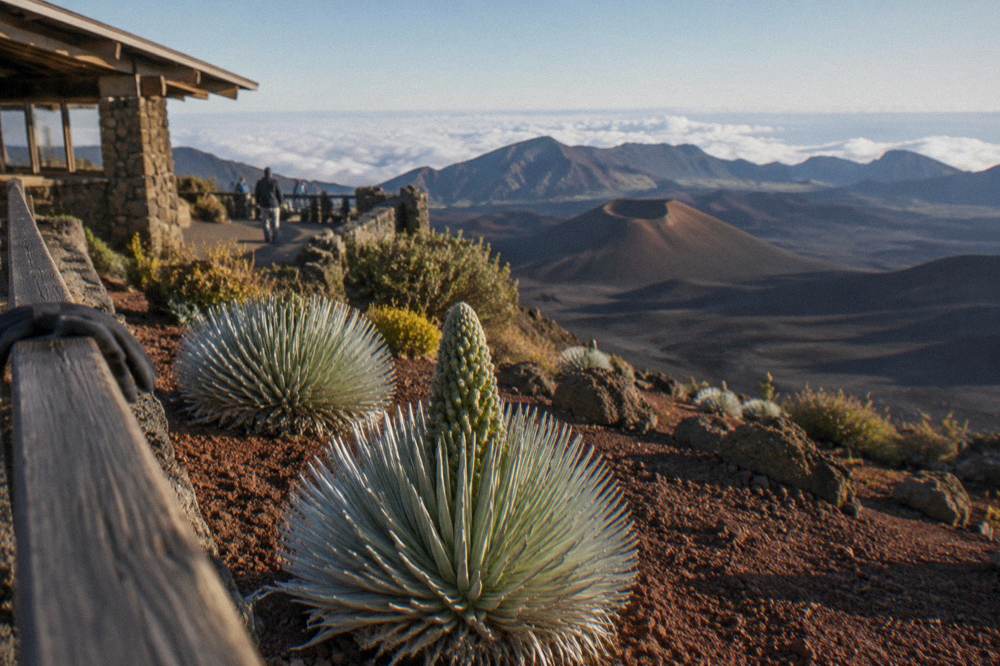
The tour option is the one the scarcity itself created. When a traveler fails at the 7:00 a.m. HST sprint, the pragmatic next move is a coach seat, and the roster offers several angles on it. The Classic Vehicle Sunrise, No Pickup from Bike Maui and Haleakala EcoTours runs from $287 per person, rated 4.6 from 175 reviews, with a meeting point at the Kahului Park & Ride; a verbatim guest review praises the guide and "the sunrise was spectacular." For travelers who would rather not ride a big coach at all, the self-guided sunrise bike tour pairs a van ride to the summit for sunrise with a self-guided ride down from about 6,500 ft at the park boundary, from $273 per person, 4.7 from 777 reviews.
There is also the sunset pivot, which many one-time sunrise chasers end up preferring. Sunset needs no reservation at all, the entrance fee still applies, and one guest review of the Twilight Sunset with Dinner tour argues "sunset is 1000xs better than sunrise," citing the long pre-dawn drive as the cost sunrise exacts. The Haleakala sunset and stargazing tours hub lays out that whole category, including small-group astronomy options that stay for the stars.
Is A Sunrise Tour The Smarter Way To Beat The System?
A sunrise tour sidesteps the ticket scramble because authorized commercial tours operate under their own park authorization rather than the $1 non-commercial reservation, and the price of that convenience is a seat on someone else's schedule. Tours also bundle the pre-dawn drive, which from Lahaina can run 1.5 to 2 hours each way to the Summit District entrance, plus about 30 more minutes up the summit road.
The drive is the hidden tax on the self-drive plan. The park's FAQ gives official drive times of 45 minutes to 1 hour from Kahului, 1 to 1.5 hours from Kihei, and 1.5 to 2 hours from Lahaina to the Summit District, then roughly 30 minutes and 11 miles of paved road from the entrance to the summit. To arrive before a roughly 6:00 a.m. sunrise, that means leaving West Maui around 3:00 a.m., on an unlit mountain road, in temperatures the park says sit about 30 F cooler than the coast and often below freezing before dawn.
| Self-Drive With $1 Ticket | Sunrise Coach Tour | |
|---|---|---|
| Ticket logistics | You chase the 7:00 a.m. HST releases yourself | The operator runs under its own park authorization |
| Cash cost | $1 reservation plus $30 vehicle entrance (3 days) | From $236 to $264 per person, pickup and breakfast included |
| Pre-dawn drive | Yours, in the dark, both directions | A seat; many guests sleep through the climb |
| Weather risk | Ticket not refunded for clouds | Tour runs regardless; no operator promises a visible sunrise |
| Flexibility | Your own departure time and stay length | Fixed itinerary, group schedule |
A tour converts that drive into a seat. The Sunrise Coach, Local Breakfast carries up to 72 travellers and holds a 4.7 rating from 2,471 reviews, the deepest review pool on the sunrise roster; a verbatim review from a family with kids aged 11 and 8 reports the kids "loved it too" and slept most of the way up. The Small-Coach Sunrise Breakfast caps the group at 22 and runs 8 hours from $264 per person; one review singles out the guide's timing and warns "it's freezing on top of the mountain," which is the single most repeated sentence in sunrise reviews anywhere.
Neither path can promise the view. The park is blunt that weather decides, the reservation is not refunded for clouds, and no operator guarantees a visible sunrise. What a tour buys is certainty about the logistics, not the sky. Between the two, that is usually the uncertainty travelers actually want removed.
How Can You Actually Improve Your Odds In The Release?
You improve your odds by creating a recreation.gov account and saving payment before release day, loading the ticket page well before 7:00 a.m. HST, targeting the 60-day window for your exact date and the 2-day window as a fallback, and picking midweek, off-peak dates when fewer competitors are watching. None of this guarantees a ticket; it only removes the seconds that lose one.
Every second counts in a fifteen-minute window, and most losses are self-inflicted: a password reset, an unsaved card, a misspelled name at checkout. Get the account sorted days ahead. Convert 7:00 a.m. HST to your own time zone and be on the page, logged in, several minutes early. Know your date. If the 60-day release fails, note the exact moment 48 hours before your summit morning and try again; the two-day batch is smaller but the field is thinner too, since many travelers have already given up or gone home.
Date selection is the quiet lever. A Tuesday in a quieter month will always be easier than a holiday weekend, and travelers with flexible itineraries should aim the reservation at the softest date their trip allows. Pair the attempt with a plan B that does not depend on luck: either the after-7:00 a.m. self-drive visit or a tour seat held with free cancellation, so a failed sprint costs you a dollar and nothing more. Travelers who frame it that way report the least stress, and stress is the real product of a fifteen-minute sellout.
Whether you sprint for the 7:00 a.m. HST release yourself or hand the pre-dawn logistics to an operator, the system is not rigged against you personally; it is a 150-vehicle cap doing exactly what it was designed to do. The Haleakala National Park Tours site exists largely because of that cap, and every option on it is a different answer to the same one-dollar problem.
Common Questions About Haleakala Sunrise Tickets
Why Is It So Hard To Get Haleakala Sunrise Tickets?
Because about 150 vehicle slots per morning meet island-wide demand, sold on one website in two clockwork releases, with the main 60-day batch often gone within fifteen minutes of the 7:00 a.m. HST release.
How Much Does The Haleakala Sunrise Reservation Cost?
$1.00 per vehicle, in addition to the entrance fee ($30 per private vehicle for 3 days). It is non-refundable and not exchanged for weather.
When Are Haleakala Sunrise Tickets Released?
Up to 60 days in advance at 7:00 a.m. HST on recreation.gov, with a portion also released two days ahead at the same time. No phone or in-person sales exist.
Can You Enter Haleakala Before 7:00 a.m. Without A Reservation?
No. Non-commercial vehicles entering the Summit District between 3:00 a.m. and 7:00 a.m. need a valid reservation, checked with photo ID at the entrance station.
Do Sunrise Tours Need The $1 Reservation?
No listing states that tours include or secure the reservation. Authorized commercial tours operate under their own park authorization; the reservation rule applies to non-commercial vehicles in the four highest lots.
Does Sunset At Haleakala Need A Reservation Too?
No. Sunset viewing has no reservation system; the entrance fee still applies.