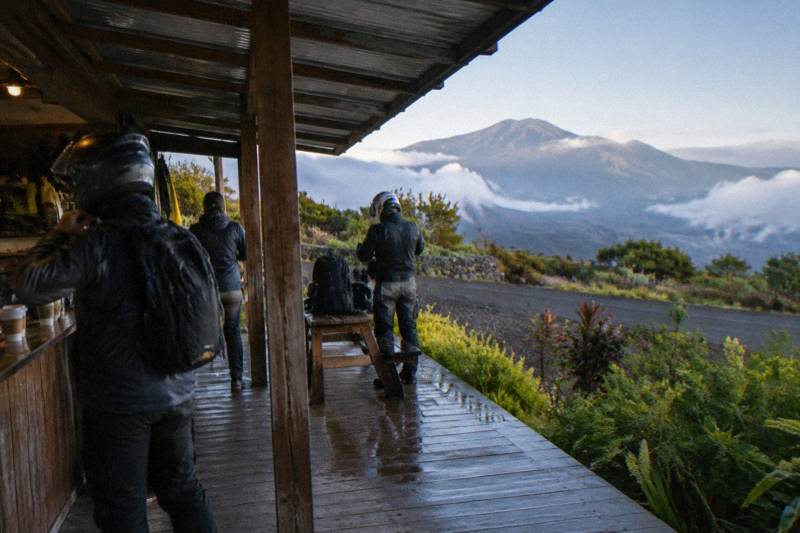
How Long Is The Bike Ride Down Haleakala?
The downhill bike descents on Haleakala run from 4 to 8 hours door to door, but the riding itself is shorter. Here is how each listed tour's timing breaks down.
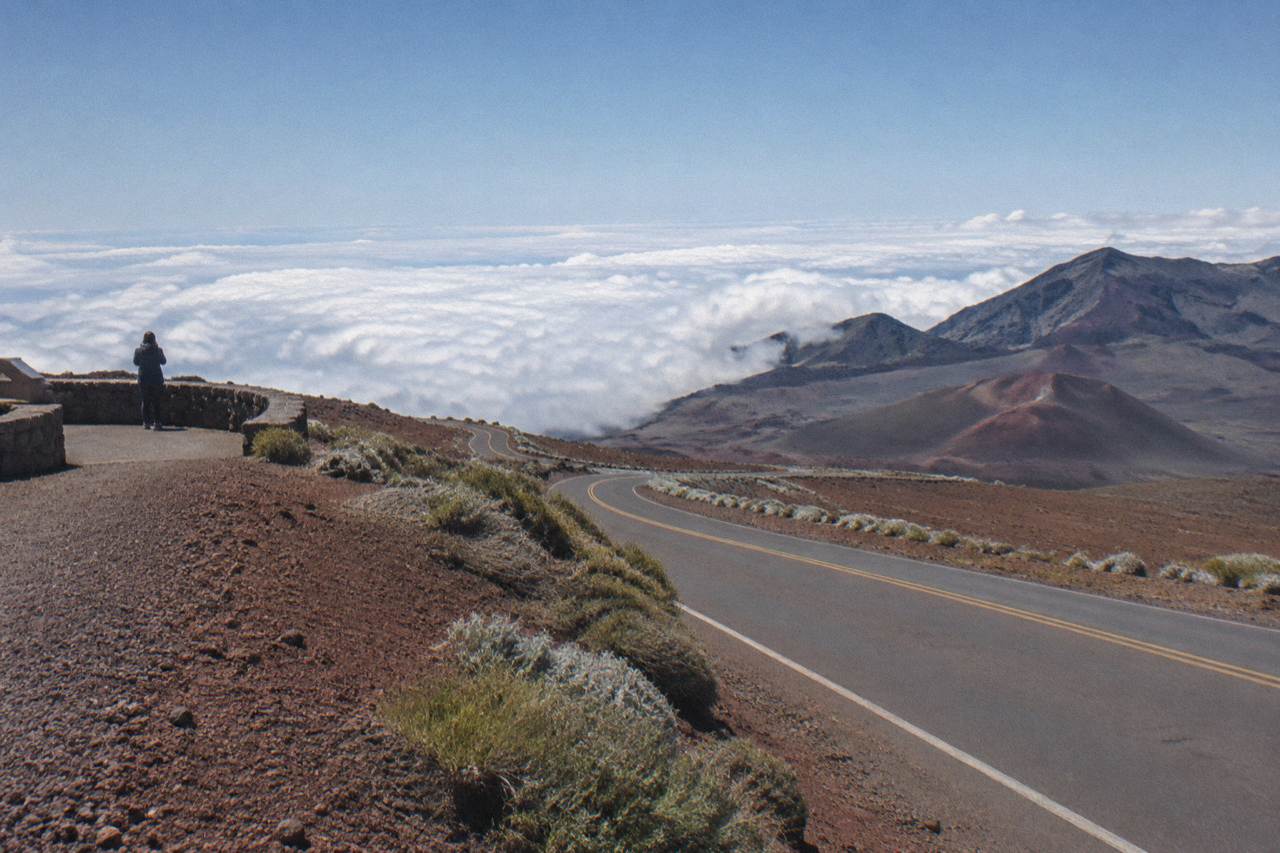
Every bike listing on this site prints a total duration between 4 and 8 hours, and almost none of that is pedaling. The shortest listing, the day bike tour from 6,500 feet with Mountain Riders, runs 4 hours end to end. The longest, the guided sunrise bike tour with Bike Maui, runs 8 hours. The riding portion inside those windows is much shorter, because the day is built around a van climb, a summit or boundary stop, gear fitting and a return to the shop.
The structure below explains where those hours actually go, tour by tour, using the durations and prices printed on each listing. It also covers where the rides start (outside the park boundary, not at the summit trail system), what the descent feels like hour by hour, and how weather at 10,023 feet changes the arithmetic. For the wider picture of which tour fits which traveler, the bike tours hub compares all five listings side by side.
How Long Is The Bike Ride Down Haleakala?
The five listed bike tours run 4 to 8 hours total, and the biggest block of that time is the van, not the bike. The 4-hour day tour and the 5-hour express tour spend roughly half their time riding. The 7-hour sunrise tours spend most of the pre-dawn hours in a van climbing to the summit, then ride down after the sun is up. No listing promises a riding time, only a total duration.
That last point is worth pausing on. When a listing says 7 hours, travelers sometimes picture 7 hours in the saddle. The listing for the Sunrise Downhill Bike Tour with Mountain Riders prints a 7-hour duration that includes a pre-dawn van ride to the summit, time at the top for sunrise, and the descent from the park boundary to the coast. One recent guest review on that listing describes the shape of the day plainly: "It was cold and you do stand for quite awhile so be prepared. The bike ride down was a highlight of our trip!" The standing and the cold are the summit block; the ride is the payoff after it.
The same math applies to every operator. Van transfer, waiver and gear fitting, the uphill drive, the stop at the top, and the shuttle back from wherever the ride ends all sit inside the printed duration. Budget accordingly: a "5-hour" express tour is a half-day commitment with the feeling of a shorter ride inside it, while an 8-hour guided sunrise tour eats most of your daylight.
A note on what "down Haleakala" means here. These are road rides on the paved Crater Road corridor, not trail rides. The National Park Service states that bicycling inside the park is permitted on paved roads only, that there is no bike lane, and that bicycles are not permitted on trails. Each listing on this site prints its own description of where its ride goes, and this article repeats only that wording. If you're wondering which of these rides still operate under those paved-road rules, our guide to biking down Haleakala today covers where each tour starts and what it costs.
| Listing (decision name) | Total duration | From (per person) | Rating (with review count) | Group size |
|---|---|---|---|---|
| Sunrise Downhill Bike, Small Group | 7 hours | $279 | 4.4 from 268 reviews | Up to 12 |
| Self-Guided Sunrise Bike, 7 Hours | 7 hours | $273 | 4.7 from 777 reviews | Up to 96 |
| Guided Sunrise Bike | 8 hours | $318 | 4.6 from 290 reviews | Up to 24 |
| 5-Hour Express Self-Guided Bike | 5 hours | $146 | 4.7 from 273 reviews | Up to 96 |
| Day Bike from 6500 Feet | 4 hours | $145 | 4.6 from 97 reviews | Up to 12 |
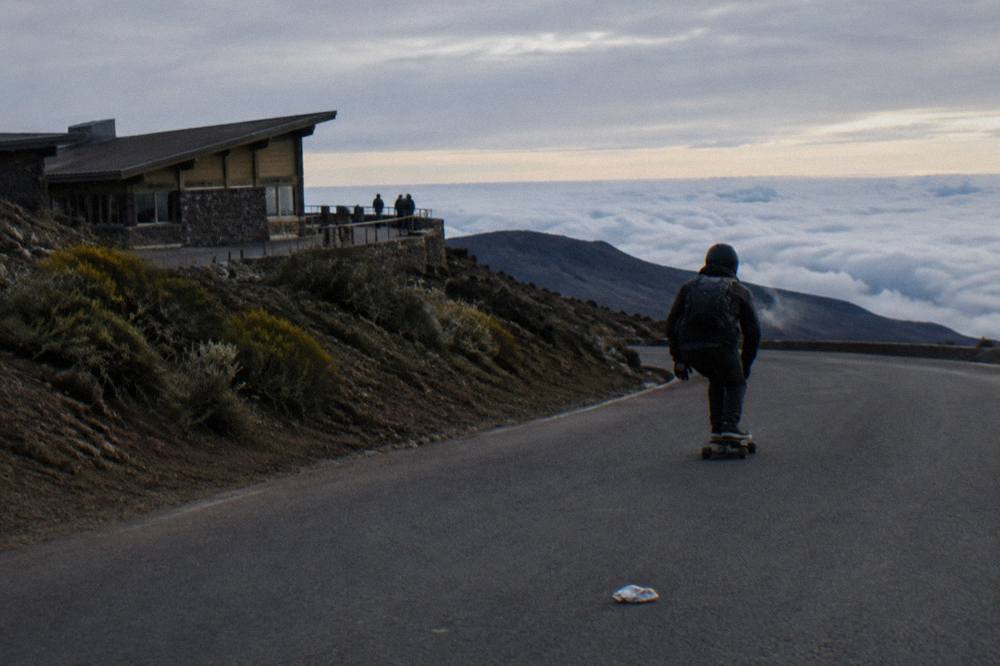
Where The Ride Starts And Where It Ends
The sunrise tours take you to the summit by van first, and the ride starts below the summit, at the park boundary around 6,500 feet on the self-guided listing. The day tours skip the summit sunrise and ride from about 6,500 feet down to sea level. No listing describes riding inside the crater.
The distinction between "summit" and "boundary" is the single most misunderstood part of Haleakala bike tours, and it directly affects how long you ride. The self-guided sunrise listing with Bike Maui describes it this way: van to the summit for sunrise, then a self-guided bike ride down from about 6,500 ft (park boundary), not inside the park. The guided sunrise version uses similar wording: van to the summit, then a guided ride down the slopes, starting below the summit and the park boundary. The Mountain Riders sunrise listing describes a pre-dawn van to the summit, then a ride back down to the national park boundary and on to the coast. If you would rather skip the fine print altogether, our guide to private Haleakala tours shows how a small-group trip lets you choose your own start point and pace.
So a sunrise tour day has three phases. Phase one is the van climb in the dark, which is where most of the duration goes. Phase two is the summit block: standing outside at 10,023 feet, often below freezing before dawn, waiting for the sun. Phase three is the descent itself, starting when the vans drop back down to the boundary area and the bikes come off the rack.
The day tours compress this to a single phase. The Mountain Riders day listing prints a daytime van ride up and a bike ride from about 6,500 ft to sea level, and notes it goes just below the summit, not a summit sunrise. The express listing with Bike Maui describes a van transfer from the shop to the national park area and a ride down the crater road. If your question is purely "how long am I on a bike," the day and express tours answer it most directly, and their 4 and 5 hour totals contain proportionally more riding.
For official context on riding in the park itself, the NPS bicycling page states the road rules: paved roads only, no bike lane, no trails, and a $15 per-person entrance pass for cyclists. The park also warns that hypothermia is common on the descent, which is a timing fact as much as a safety one: a long descent in cloud and wind cools you faster than you expect.
How Fast Is The Descent Itself?
The ride down is almost entirely coasting: the road loses several thousand feet of elevation between the start point and the sea, and guest reviews repeatedly describe barely pedaling. The NPS figure that matters is 10,023 feet at the summit and about 3 F of cooling per 1,000 feet, which means the descent crosses several climate zones in roughly an hour or two of rolling time.
The reviews on this site's roster are unusually consistent on this point. A guest on the guided sunrise bike tour wrote: "The views are spectacular and the ride is very easy. There were only a few places where I even had to pedal!" A guest on the self-guided sunrise version makes the same point from the other direction, praising the guide's directions and the equipment condition when clouds socked in the summit. Easy does not mean fast, though. Self-guided riders set their own pace, which is why two riders on the same listing can report very different days.
Think of the riding time as one to two hours of actual rolling for the sunrise descents, inside a 7 to 8 hour listing. The express and day tours, starting lower and skipping the summit block, fold a similar length of riding into a shorter total. No listing prints a guaranteed riding time, and none should: headwinds, cloud, traffic on the road and your own braking habits all move the number.
The temperature drop is the reason pacing matters. The park's weather guidance puts the summit about 30 F cooler than the coast, and the FAQ notes summit mornings can reach 32 F or below. You start the ride in that air mass and pedal into warmth as you descend. The self-guided listing's offer of Helly Hansen outerwear, which a guest review singles out as a reason to pack lighter, exists precisely because of this gradient.
Sunrise Tours Versus Day Tours: Which Fits Your Schedule?
If sunrise is the point, book a 7 to 8 hour listing and clear your morning: pickups and meet times fall in the pre-dawn hours, and the whole day is gone by early afternoon. If you just want the descent, the 4 hour day tour or the 5 hour express tour leave your afternoon free and cost from $145 to $146 per person, the lowest entries on the bike roster.
The price gap tells the story. The two summit-sunrise descents list from $273 and $279; the guided sunrise version from $318. The day and express options list from $145 and $146. What the extra money buys is the summit block: the van climb in the dark, the sunrise viewing from the top, and the longer total day. A review from the Mountain Riders sunrise tour captures what that block adds: "We had a clear night and seeing the stars before sunrise was great as well!"
There is a scheduling asymmetry worth planning around. Sunrise tour days start brutal and end early; the review on the small-coach-style sunrise tours mentions everyone sleeping in the van on the way up. Day tour days start civilized and return you by early afternoon. Families with younger kids, and travelers who cannot face a 2 a.m. alarm, routinely land on the day or express listings for exactly this reason, then second-guess when they read that the ride skips the summit. It does not skip the crater views; the road itself is the scenery.
One more scheduling fact from the park's own pages, relevant only if you are considering riding up rather than down: the NPS FAQ states a cyclist may enter before 7 a.m. without the sunrise reservation, but the park does not recommend riding up in the dark, citing 10 miles and several thousand feet of climbing. Every commercial listing on this roster solves that problem with a van, which is the entire premise of the downhill format.
What Slows The Ride Down (And Speeds It Up)
Weather is the biggest variable: cloud, rain and wind on the upper road both slow the descent and lengthen the day, and the park states that conditions change and can close roads. The second variable is group size: the small-group listings cap at 12 riders, while the self-guided listings run up to 96, and a big group spends longer at every stop.
Neither variable is hypothetical. The self-guided sunrise review quoted earlier happened on a day when clouds covered the summit; the guest still had a good ride, but the summit block delivered gray instead of gold. No operator promises a visible sunrise, and the reservation system does not refund for weather; the same logic applies to tour days, which operators may adjust for safety. For current road and weather status, the park's own conditions page is the source to check the day before.
Group size works on the math directly. A 12-rider group regroups quickly; a 96-rider self-guided fleet spreads down the road, and the operator's support van cycle takes longer. This is not an argument against the large self-guided listings, which carry the roster's biggest review pools (777 and 273 reviews), but it is a real input to "how long will this take." If you have a fixed afternoon commitment, the small-group listings or the short day tour are the safer bookings.
Rider experience is the last factor. The express tour review is the roster's best evidence: "Had not been on a bike for at least 5 years and was surprisingly comfortable getting back on saddle." Self-guided formats tolerate rusty riders because the road does the work, but cautious riders descend slower and stop more. Build an hour of slack into any post-tour plan.
What To Budget Beyond The Duration
Duration answers "how long," but the full day-cost also includes the entrance situation, meals and clothing. Every bike listing on this roster states free cancellation per listing, with the cutoff on the booking page. Meals are mostly not stated on the bike listings, unlike the coach sunrise tours, so plan to eat after, not during.
On fees: the bike listings do not print an entrance-fee line the way the coach tours do. The park's fee schedule, published on the NPS fees page, charges $15 per person on foot or bicycle for visitors 16 and over, valid 3 days. How each operator handles that for its riders is on the individual listing; read the inclusions line before assuming. The separate $1 sunrise vehicle reservation applies to non-commercial vehicles entering the Summit District between 3:00 and 7:00 a.m., which is a self-drive issue, not something a rider on a listed tour needs to arrange.
Clothing is a budget line travelers skip and then regret. Summit mornings commonly sit at or below freezing, and the park warns hypothermia is common on descents. Layers you already own are free; the outerwear rental on the self-guided listing is the in-flow option. Water and restrooms are available at both visitor centers, per the park's bicycling page, so the climbing portion and the top offer a last chance to stock up.
Timing-wise, most travelers pair a bike morning with a low-key afternoon. The how long does it take to do Haleakala sunrise breakdown covers the same arithmetic for the van-based tours, and the can you still bike down Haleakala post covers the ride-format questions in more depth. The pattern across the listings is consistent: bike tours cost more hours than a van sunrise and return you more tired, and most riders consider that the point.
Choosing Based On Time, Not Marketing
If total hours are your constraint, rank the roster this way: the 4-hour day tour and 5-hour express tour for a half day, the 7-hour sunrise descents for a full morning, and the 8-hour guided sunrise ride for the whole day. Everything else, group size, guide or no guide, summit block or not, is a preference layered on top of that time decision.
The guided versus self-guided split deserves one honest paragraph. The guided sunrise listing costs from $318 and runs 8 hours with up to 24 riders and a guide setting pace. The self-guided version costs from $273, runs 7 hours with up to 96, and leaves pace to you. The express self-guided at from $146 is the same freedom without the summit. Reviews on both formats are positive at scale, so the choice is genuinely about how much structure you want on an unfamiliar road rather than which one is "better."
For readers sizing their first Haleakala booking of any kind, Haleakala National Park Tours exists to make exactly this comparison legible: prices and times can shift with the season, so confirm the exact figure on the live listing before you book, and every duration is the printed total, not a promise of riding time.
One final scheduling note. The descents end at sea level in warm air, usually by late morning on sunrise tours and midday on day tours. Build the post-ride meal into your plan, since meals are not stated on most bike listings, and keep the afternoon unplanned. The combination of a pre-dawn start, altitude and a long descent lands differently than a morning at the beach, and most riders want a slow afternoon more than a second activity.
Common Questions About The Bike Ride Down Haleakala
How long is the bike ride down Haleakala?
The listed tours run 4 to 8 hours total, but that includes the van transfer, the summit stop and the return. The riding portion is roughly one to two hours of rolling for the sunrise descents and proportionally more on the 4-hour day and 5-hour express tours. No listing prints a guaranteed riding time.
Do the bike tours start at the summit?
The sunrise tours take riders to the summit by van for sunrise, and the ride down starts below the summit at the park boundary, about 6,500 feet on the self-guided listing. The day tours ride from about 6,500 feet to sea level and skip the summit sunrise.
Is the ride down difficult?
The ride is almost entirely downhill coasting, and guest reviews describe barely pedaling. The challenges are cold, wind and road sharing rather than effort. The park states hypothermia is common on the descent, so dress in layers.
Which bike tour is the shortest?
The day bike tour with Mountain Riders runs 4 hours total, from $145 per person, and the express self-guided tour with Bike Maui runs 5 hours, from $146 per person. Both leave your afternoon free.
Do I need the sunrise reservation for a bike tour?
No. The $1 per-vehicle sunrise reservation on recreation.gov applies to non-commercial vehicles entering the Summit District between 3:00 and 7:00 a.m. A traveler who drives themselves needs it; the listed tours operate as commercial tours under their own arrangements.