Can You Still Bike Down Haleakala?
Yes, downhill bike tours on Haleakala still run. Here is which rides exist today, where each one starts, what they cost, and how the park rules shape them.
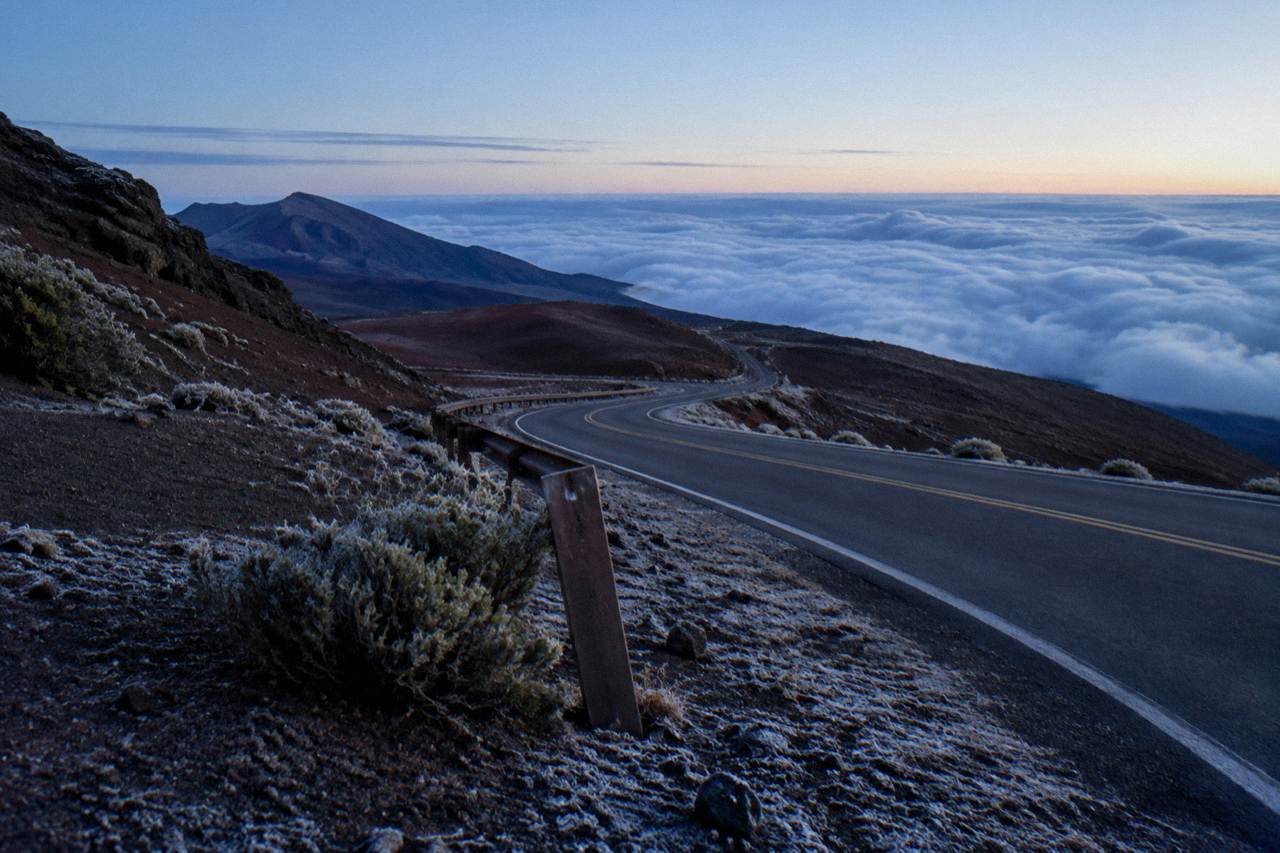
The downhill bike ride on Haleakala has been one of Maui's signature experiences for decades, and the question travelers keep asking is simple: does it still exist? It does. Five bike products are live on this site's roster right now, from a 5-hour express descent to a full guided sunrise ride with breakfast-adjacent timing. The part that surprises people is the route. Every ride on the roster reaches the upper mountain by van, and the cycling happens on the slopes below, on the same road you would drive, not on trails and not inside the crater. If you're weighing which of those options fits your schedule, the tour-by-tour breakdown of Haleakala ride times spells out exactly how long each one takes from pickup to drop-off.
What follows is a plain account of what each tour actually does, drawn from the operators' own listings and the National Park Service's published rules, so you can decide whether the ride today matches the one you remember hearing about.
Can You Still Bike Down Haleakala?
Yes, downhill bike tours on Haleakala still operate, and there are five of them on the current roster. All of them reach the upper mountain by van and ride down the paved crater road from the slopes below the summit. The guided sunrise option from Bike Maui runs from $318 per person and holds a 4.6 rating from 290 reviews. If you're wondering how your day on the mountain will shape up, our guide to how long each descent takes breaks down the timing for every tour on that list.
The word "downhill" is doing honest work in these product names. The ride is almost entirely descending: the guided sunrise tour listing describes a van to the summit for sunrise, then a guided bike ride down the slopes, with the ride starting below the summit and the park boundary. One guest on that tour, Kurt_B, put it plainly in a five-star review: "There were only a few places where I even had to pedal!" That matches the physics of a road that loses thousands of feet over its length.
What the tours no longer resemble is the older idea of riding a bicycle straight out of a summit parking lot at first light. The current products are structured around a van ascent and a descent on the public road, and each listing spells out its own arrangement. The self-guided sunrise ride from Bike Maui, for instance, describes a van to the summit for sunrise, then a self-guided bike ride down from about 6,500 feet at the park boundary, not inside the park.
None of this is a secret or a downgrade buried in fine print. The park itself publishes the ground rules for anyone on two wheels, and they frame what a commercial ride can look like.
| Tour | Decision name | Price per person | Rating | Duration |
|---|---|---|---|---|
| Haleakala Sunrise Best Self-Guided Bike Tour | Self-Guided Sunrise Bike, 7 Hours | from $273 | 4.7 from 777 reviews | 7 hours |
| Haleakala Sunrise Best Guided Bike Tour with Bike Maui | Guided Sunrise Bike | from $318 | 4.6 from 290 reviews | 8 hours |
| Haleakala Express Self-Guided Bike Tour with Bike Maui | 5-Hour Express Self-Guided Bike | from $146 | 4.7 from 273 reviews | 5 hours |
| Maui Haleakala Sunrise Downhill Bike Tour with Mountain Riders | Sunrise Downhill Bike, Small Group | from $279 | 4.4 from 268 reviews | 7 hours |
| Maui Haleakala Day Bike Tour with Mountain Riders from 6500 to sea level | Day Bike from 6500 Feet | from $145 | 4.6 from 97 reviews | 4 hours |
Where Does The Bike Ride Actually Start?
Every tour on the roster rides the paved Haleakala Crater Road below the summit rather than inside the crater. The self-guided sunrise tour lists a van to the summit for sunrise, then a ride down from about 6,500 feet at the park boundary. The Mountain Riders day tour lists a daytime van ride up, then a bike ride from about 6,500 feet to sea level.
The pattern repeats across all five listings. The guided sunrise ride from Bike Maui lists a van to the summit for sunrise, then a guided bike ride down the slopes, starting below the summit and the park boundary. The small-group Mountain Riders sunrise tour lists a pre-dawn van to the summit, then a ride back down to the national park boundary and on to the coast. The express option lists a van transfer from the shop to the national park area, then a daytime ride down the crater road.
So the summit is still part of the sunrise tours, you simply experience it standing at the railing, not straddling a bike. The cycling begins once the van has come back down through the entrance gate. If your mental image is a peloton rolling out of the 10,023-foot parking lot in the dark, replace it with this: a cold, dark, spectacular sunrise at the top, then a long, mostly effortless coast down a quiet mountain road in daylight.
The road itself is worth understanding before you book. The park's bicycling page states that cycling is permitted on paved roads only, that there is no bike lane, and that bicycles are not permitted on trails. The park also notes that hypothermia is common on the descent, which sounds dramatic until you have stood at 6,500 feet in a wind after dawn: the body warms fast on the climb in a van and cools fast on the way down at 20 miles an hour. Operators know this, which is why one review of the self-guided sunrise tour mentions Helly Hansen clothing offered with the tour so travelers can pack lighter.
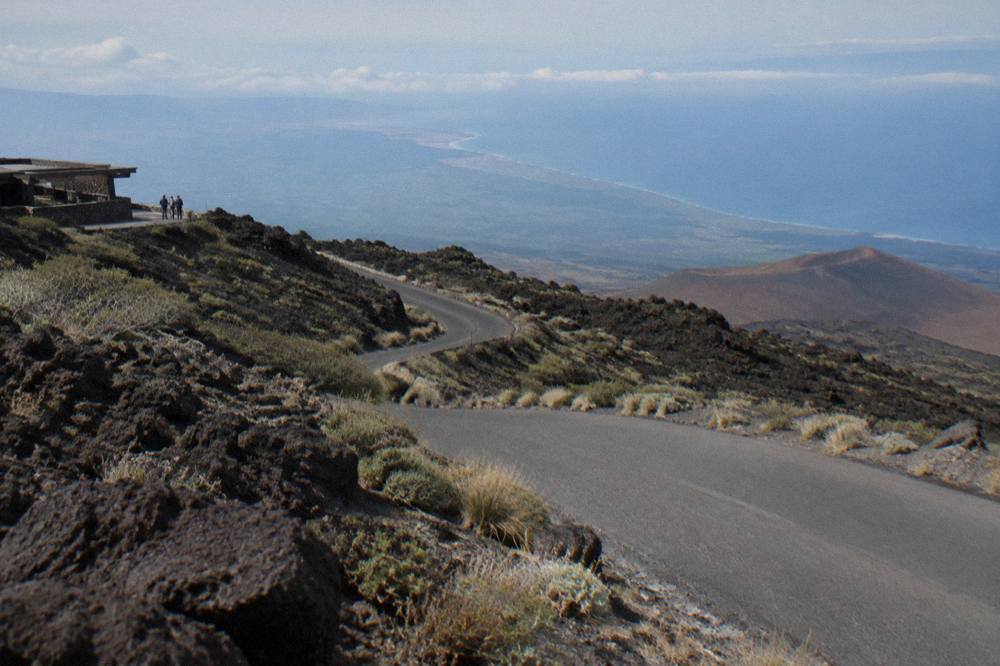
Per the park's own fees page, a cyclist entering under their own power pays the $15 per-person entrance pass, and the park does not recommend riding up in the dark. These are the rules for individuals; commercial tours operate under their own park authorizations, and the tour listings describe their own transport arrangements.
What Are The Park Rules For Bicycles At Haleakala?
The park permits bicycles on paved roads only, with no bike lane and no trail access, and it warns that hypothermia is common on the descent. A cyclist pays the $15 per-person entrance fee, and the park does not recommend riding up the mountain in the dark.
Those four facts come straight from the National Park Service's bicycling page and FAQ, and they apply to anyone riding the mountain, booked or independent. They explain a lot about how the commercial products are shaped. A road with no bike lane and a warning about hypothermia is not a place for improvisation, so the tours supply jackets in some cases, vans, and route briefings.
The listing reviews bear this out. Cindy_K, who took the express self-guided ride, wrote: "Loved the non-pressure of a self-guided trip. Received great instructions of how to get back to bike shop. Weather was beautiful! Had not been on a bike for at least 5 years and was surprisingly comfortable getting back on saddle." The structure, van up, ride down, clear directions back, is the product.
It is also worth knowing the sunrise reservation rule, because it intersects with the pre-dawn tours. Each non-commercial vehicle entering the Summit District between 3:00 a.m. and 7:00 a.m. needs a $1.00 per-vehicle reservation from recreation.gov, released up to 60 days ahead at 7:00 a.m. HST plus a portion two days ahead, and inventory often sells out within fifteen minutes. Travelers who drive themselves need that reservation; tours run by authorized commercial operators operate under their own park authorization. No listing states that a tour includes the sunrise reservation, and you should not expect one to.
For a fuller walkthrough of the booking window and the two-day release, see how to get sunrise tickets, and for the wider picture of riding the mountain, the Haleakala bike tours hub compares every option.
Guided Or Self-Guided: Which Bike Tour Fits You?
Guided rides put a leader with the group, cost from $279 to $318 per person, and cap at 24 travelers; self-guided rides from $146 to $273 hand you the bike, the route briefing and the freedom to stop. The guided sunrise option holds 4.6 from 290 reviews, the self-guided sunrise 4.7 from 777.
The Haleakala Sunrise Best Guided Bike Tour with Bike Maui is the fullest version of the experience: eight hours, a van to the summit for sunrise, then a guided ride down the slopes with a guide who sets the pace and manages traffic. It runs from $318 per person, carries up to 24 travelers, and the roster notes free cancellation per listing, so read the booking page for the cutoff. The review from Kurt_B captures the shape of the day: "This was the highlight of our trip! I know it's super early in the morning, but the day is well worth it. Our guide was fantastic and made sure we were safe."
The self-guided sunrise tour from the same operator, Bike Maui AND Haleakala EcoTours, is cheaper at from $273 and longer on paper at seven hours, with up to 96 travelers moved in waves. Its listing describes the van to the summit for sunrise, then the self-guided ride down from about 6,500 feet at the park boundary. Angela_H's review lands on the practical upside: "Great to have the Helly Hansen clothing offered with this tour so you can pack a little lighter in luggage."
Then there is the express. The Haleakala Express Self-Guided Bike Tour with Bike Maui is from $146 per person, five hours, and it skips the pre-dawn alarm entirely: a daytime van transfer from the shop to the national park area, then a ride down the crater road. For travelers who cannot face a 2 a.m. pickup or who want the cheapest way onto a Haleakala bike, this is the listing to read first.
One honest note on group size: the two Bike Maui self-guided products move up to 96 travelers, while the guided ride caps at 24 and the Mountain Riders options cap at 12. Smaller means more attention, not a different road.
Is The Sunrise Bike Tour Worth The Early Alarm?
For most riders, yes: the sunrise versions cost more than their daytime counterparts from the same operator and add a summit sunrise at 10,023 feet before the ride. The guided sunrise option holds 4.6 from 290 reviews and the small-group Mountain Riders sunrise 4.4 from 268, both with five-star reviews describing the day as a trip highlight.
The comparison is clean because the roster contains natural pairs. Mountain Riders runs a sunrise downhill tour at from $279, small group, 12 travelers max, pre-dawn van to the summit, then the ride down to the boundary and on to the coast. The same operator runs a day version from $145 that starts at about 6,500 feet and descends to sea level, which its listing describes as going just below the summit, not a summit sunrise. The gap between those two prices is, in effect, the price of the sunrise.
Suzanne_R took the sunrise version and reported: "We had a clear night and seeing the stars before sunrise was great as well! It was cold and you do stand for quite awhile so be prepared. The bike ride down was a highlight of our trip!" Note the two halves of that review: the payoff and the cold. The summit runs about 30 F cooler than the coast, and before dawn it is often below freezing. The same preparation advice applies to riders as to anyone heading up; the piece on how to dress for Haleakala sunrise covers layers in detail.
Weather, of course, decides what you see. Angela_H's five-star review of the self-guided sunrise tour begins "We had a great time despite socked in with clouds for the sunrise," which is the honest framing: the ride and the day can be excellent even when the sky is not. The park does not promise a visible sunrise, and neither does any listing on this roster.
How Much Does A Haleakala Bike Tour Cost?
Live listings run from $145 to $318 per person: the Mountain Riders day tour from $145, the express self-guided ride from $146, the self-guided sunrise from $273, the small-group sunrise downhill from $279, and the guided sunrise from $318. That spread is almost entirely about the sunrise and the guide, not the road.
The road is the same crater road in every case. What moves the price is the pre-dawn logistics, the summit stop, the group size, and whether a guide rides with you. The two budget options, both under $150, are daytime rides that skip the 2 a.m. wakeup. The three sunrise options cluster between $273 and $318.
There are add-on costs to plan for beyond the ticket. Gratuity for guides is customary and not included in the listed price. If you were to ride independently instead, the park charges $15 per person on foot or bicycle, and a private vehicle entering for the day pays $30 valid for three days; the fees page prints all of this. Tours list their own arrangements for park entry, and each roster row states what the listing includes.
| Cost item | Figure | Source |
|---|---|---|
| Guided sunrise bike tour (Bike Maui) | from $318 per person | operator listing |
| Self-guided sunrise bike tour (Bike Maui) | from $273 per person | operator listing |
| Small-group sunrise downhill (Mountain Riders) | from $279 per person | operator listing |
| Express self-guided ride (Bike Maui) | from $146 per person | operator listing |
| Day bike tour from 6,500 ft (Mountain Riders) | from $145 per person | operator listing |
| Park entry, independent cyclist | $15 per person | NPS fees page |
| Park entry, private vehicle (3 days) | $30 | NPS fees page |
| Sunrise vehicle reservation (self-drive, 3 to 7 a.m.) | $1.00 per vehicle | NPS sunrise FAQ |
For travelers weighing the bike ride against other ways up the mountain, the numbers in what a Haleakala trip costs put the bike tours in context against coach sunrise tours from $236 and helicopter flights from $368.
How Fit Do You Need To Be?
Not very. The rides are almost entirely downhill on a paved road, and reviewers who had not touched a bike in years report finishing comfortably. What actually demands respect is the cold, the altitude at the summit stop, and the length of the morning, not the pedaling.
Kurt_B's review of the guided ride says there were only a few places where he had to pedal. Cindy_K had not ridden in five years and was "surprisingly comfortable getting back on saddle" on the express tour. The descent is gentle by design; the operators would not run 96-person self-guided waves on a route that demanded skill.
The summit stop is the part to take seriously. At 10,023 feet, the air is thin, and the park's hiking page warns that lower oxygen can bring on nausea, headache, dizziness and shortness of breath, and that pregnant visitors and people with heart or respiratory conditions should consult a doctor. Emergency help is at least an hour away, and there is no gas or food in the park. Riders stand outside in the dark for a long stretch before the sun comes up; Suzanne_R's advice to "be prepared" for cold and standing is the single most useful sentence in any of these reviews.
Dress for it and the day is very manageable. The tour operators run this road daily and supply equipment, outerwear on some listings, and briefings; the rest is a warm layer and a reasonable bedtime the night before. Travelers who want the full weather picture can read Haleakala summit weather for month-by-month figures, and the National Park Service maintains current conditions at its park conditions page, which is the right thing to check the day before any summit morning.
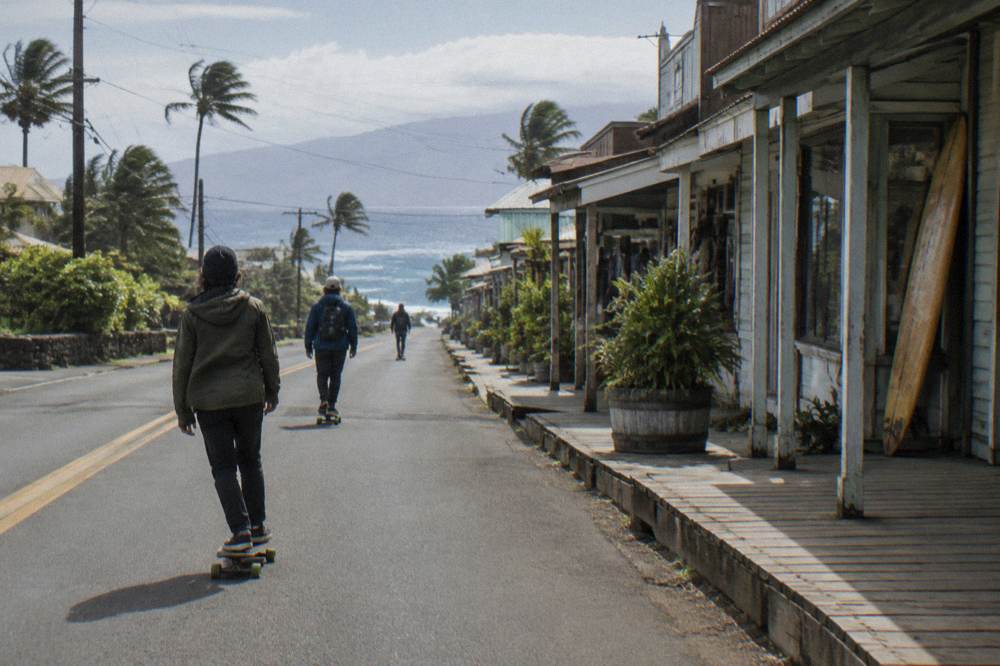
The park's own bicycling guidance, including the paved-roads-only rule and the hypothermia warning, is published at the NPS bicycling page, and the fee schedule for cyclists and vehicles is on the fees page.
The Bottom Line For 2026 Riders
The downhill bike ride on Haleakala is alive, bookable and popular, with five live listings from $145 to $318 per person. The experience is a van ascent, a sunrise or summit view, and a descent on the paved crater road from the slopes below the summit. Travelers who accept that shape get one of Maui's best mornings.
If the sunrise matters most and you want a leader on the road, the guided ride from Bike Maui at from $318 is the fullest version. If you want the same sunrise and the same road for less, the self-guided sunrise at from $273 trades the guide for freedom to stop. If you value sleep over spectacle, the express and day rides under $150 deliver the descent without the alarm clock. The trio below covers all three postures.
One last planning note: this site, Haleakala National Park Tours, keeps the full roster with prices and ratings for every live listing, so compare before you commit rather than after. Bring layers either way. The mountain is colder than the beach, always.
Common Questions About Biking Down Haleakala
Can You Still Bike Down Haleakala?
Yes. Five downhill bike tours are live on the current roster, from $145 to $318 per person. Each one reaches the upper mountain by van and rides down the paved crater road from the slopes below the summit, not on trails and not inside the crater.
Where does the Haleakala bike ride start?
It depends on the listing. The sunrise tours list a van to the summit for sunrise, then a ride down from about 6,500 feet at the park boundary or from the slopes below the summit. The daytime tours list a van ride up and a descent from about 6,500 feet toward sea level.
Are bikes allowed inside Haleakala National Park?
Bicycles are permitted on the park's paved roads only, with no bike lane, and are not permitted on trails, per the National Park Service bicycling page. A cyclist pays the $15 per-person entrance pass, and the park does not recommend riding up in the dark.
How much does a Haleakala bike tour cost?
Live listings run from $145 to $318 per person. The guided sunrise ride is from $318, the self-guided sunrise from $273, the small-group sunrise downhill from $279, the express self-guided ride from $146 and the daytime ride from $145.
Is the Haleakala bike ride hard?
The ride itself is almost entirely downhill on a paved road, and reviewers who had not biked in years finished comfortably. The harder parts are the pre-dawn start, the cold at the summit, where it is often below freezing, and the altitude at 10,023 feet.
Do you need to be fit for the Haleakala downhill ride?
No special fitness is needed for the pedaling. The park warns that lower oxygen at the summit can cause altitude sickness symptoms, and that anyone pregnant or with heart or respiratory conditions should consult a doctor before visiting the summit area.