How To Dress For Haleakala Sunrise?
A layering guide for the Haleakala sunrise, built on the park's own temperature and wind figures, with what to wear, what to skip, and what tours lend you.
How To Dress For Haleakala Sunrise?
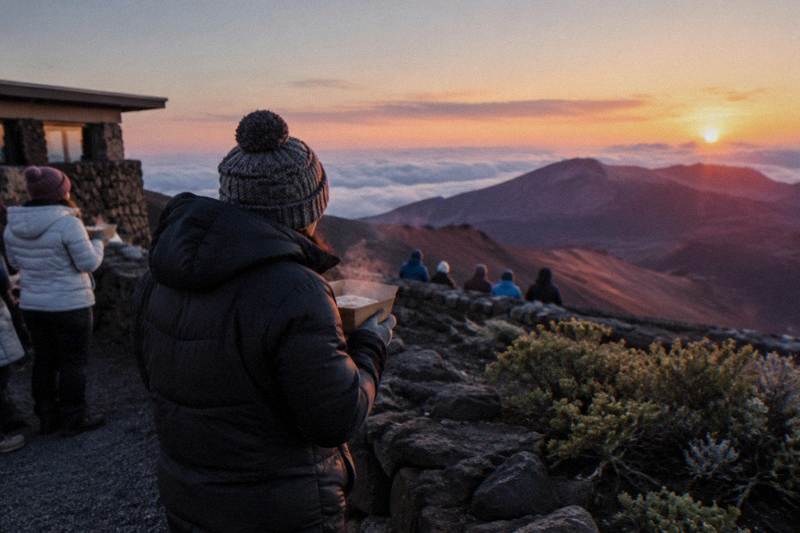
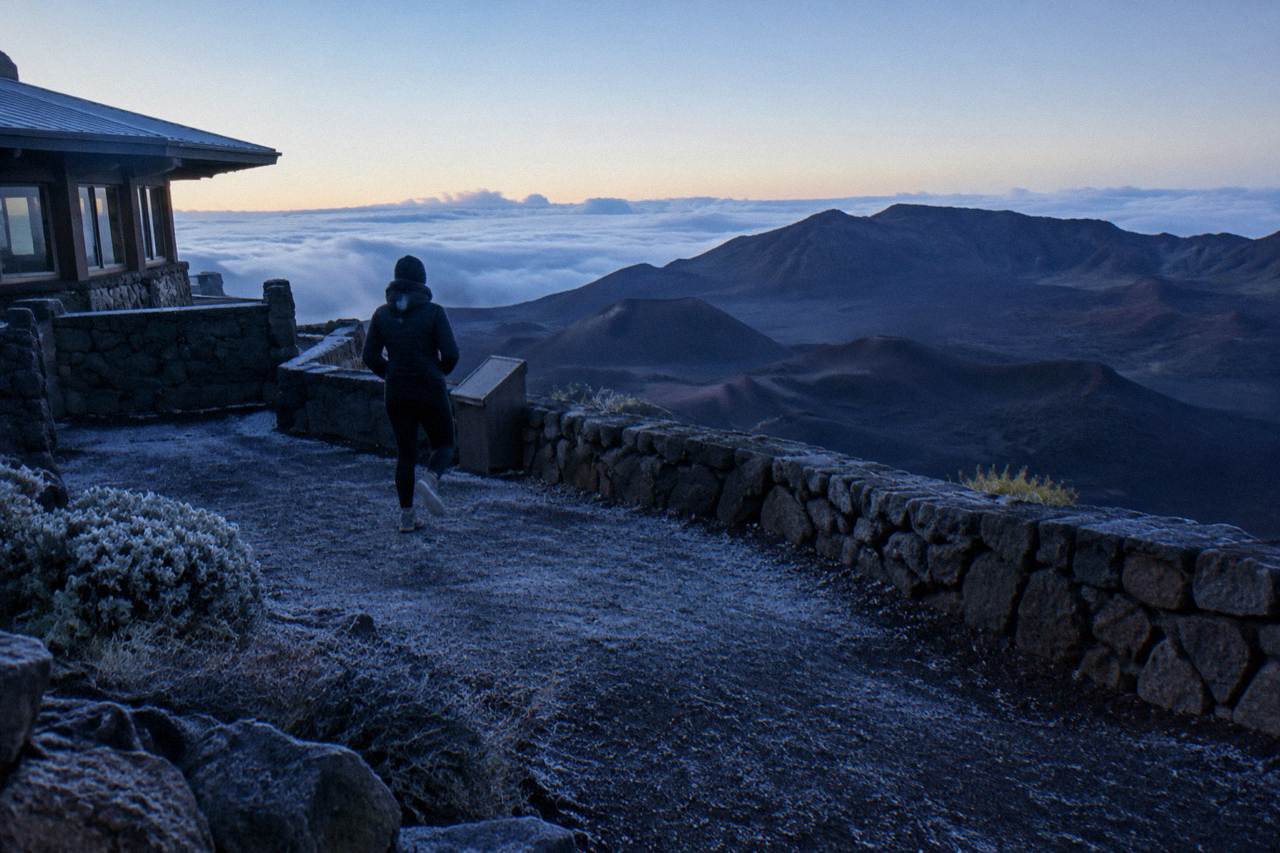
Dress for Haleakala sunrise as you would for a winter morning in a place with no buildings: base layer, insulating mid layer, windproof outer layer, long pants, closed shoes, a hat and gloves. The summit at Pu'u 'Ula'ula stands 10,023 feet high, runs about 30 degrees Fahrenheit cooler than the coast, and regularly sits at or below freezing before dawn, with wind chill pushing it colder still.
That is not a figure from a packing blog, it is the park's own arithmetic. The National Park Service weather page states that temperature drops about 3 degrees Fahrenheit per 1,000 feet of elevation gain, and the official weather page puts the summit roughly 30 degrees cooler than the beach you left an hour earlier. The FAQ adds that summit mornings can reach 32 degrees Fahrenheit or below, warming to 50 or 60 degrees by afternoon. So the shorts and slippers that were right in Kihei at 2 a.m. are actively wrong at the top of the mountain an hour and a half later, and the people shivering in them are easy to spot at every sunrise.
The trap is not ignorance, it is the trajectory of the day. You pack for a Maui vacation, not for a high altitude desert, and the two are the same island but not the same climate. Haleakala's Summit District begins at 7,000 feet, and everything above it behaves like a different island entirely: no gas, no food for sale, no streetlights, and no sheltered waiting room. You will typically stand outside waiting in the predawn cold for a while before the sun clears the horizon, which is long enough for a badly dressed body to go from uncomfortable to genuinely unsafe. Hypothermia figures in the park's own safety messaging, and it is listed for cyclists but the physics applies to anyone standing still in wind at altitude.
The good news is that dressing correctly is cheap and mostly a matter of layers you may already own. This article walks through the actual numbers, a layering system that works, the footwear mistakes, what the tours lend you, and the extras that matter at 10,000 feet. If you are still choosing how you will get up the mountain, the comparison of transport options on Haleakala National Park Tours covers the full sunrise roster, and the three below are the ones most sunrise visitors compare first.
How Cold Is The Summit At Sunrise, Really?
Plan for 20 to 40 degrees Fahrenheit at the summit before dawn, any month of the year, with wind chill capable of dropping the felt temperature below freezing even in summer. The park reports year-round summit temperatures from below freezing to afternoon highs of 50 to 65 degrees Fahrenheit, and the rainy season from November through March adds wind and damp that make the same number feel markedly colder.
The honest answer is that the summit temperature on your morning depends on the weather system overhead, but the range it moves in is narrow and cold. What follows are the 1991 to 2020 climate normals from the NOAA station near the park at roughly 7,000 feet of elevation, about 3,000 feet below the summit, so read these as a floor: the summit itself runs colder, especially before dawn.
| Month | Average high, park station (F) | Average low, park station (F) | What to expect at the summit before dawn |
|---|---|---|---|
| January | 63.1 | 44.7 | At or below freezing likely |
| February | 60.0 | 42.2 | At or below freezing likely |
| March | 58.2 | 42.7 | At or below freezing likely |
| April | 61.6 | 44.0 | Near freezing, wind driven |
| May | 62.0 | 45.5 | Cold, occasionally freezing |
| June | 65.9 | 48.8 | Cold, rarely freezing |
| July | 65.7 | 47.7 | Cold, rarely freezing |
| August | 67.1 | 49.6 | Cold, rarely freezing |
| September | 64.6 | 48.1 | Cold, wind possible |
| October | 64.4 | 48.2 | Near freezing possible |
| November | 63.7 | 46.6 | At or below freezing likely |
| December | 61.3 | 45.8 | At or below freezing likely |
Two things follow from that table. First, there is no month in which a T-shirt plan works; a July dawn at altitude still bites harder than most visitors expect, and one review of the small coach sunrise tour puts it plainly: "Dress warmer than you think. It's freezing on top of the mountain!" Second, the November through March rainy season brings the park's heaviest precipitation, which in practice means wind and damp, and damp cold at altitude drains body heat faster than dry cold. The park's summit guidance is direct about this: dress warmly, because temperatures at the summit are at least 20 degrees colder than sea level and often below freezing.
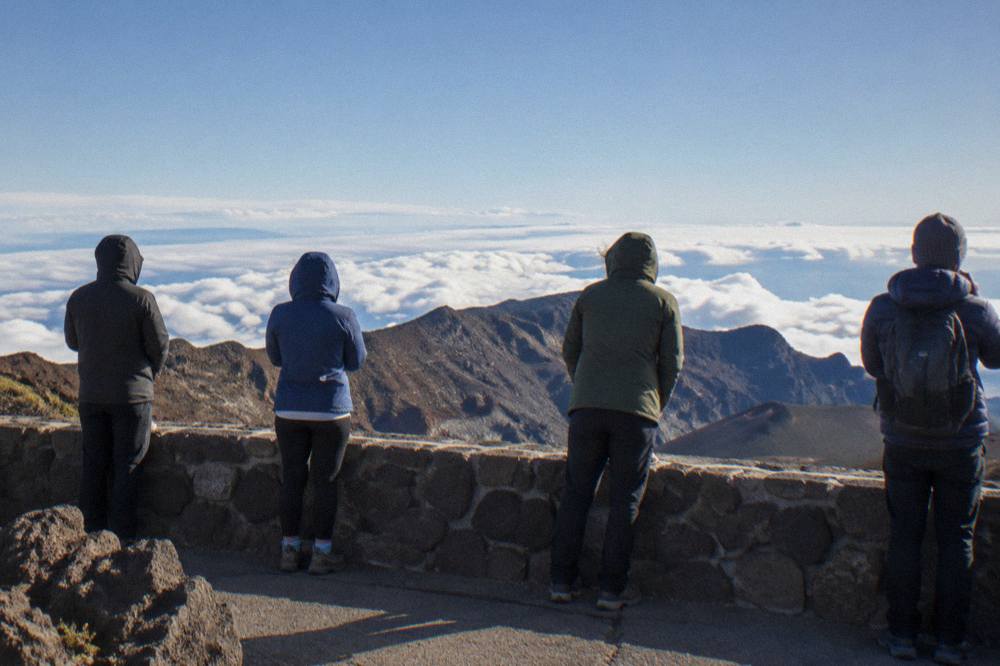
Wind is the multiplier the temperature tables hide. There is no windbreak at 10,023 feet, and the four sunrise viewing areas, Pu'u 'Ula'ula at 10,023 feet, the Haleakala Visitor Center lot at 9,740 feet, Kalahaku Overlook at 9,324 feet and Leleiwi Overlook at 8,840 feet, are all open to whatever is moving. The Summit District page notes that wind chill and damp make it feel colder than the thermometer says. A 35 degree morning with a stiff trade wind feels like the twenties, and the twenties with wind are where gloves stop being optional. More detail on summit conditions month by month is in the guide to Haleakala summit weather by month.
What Layering System Actually Works At 10,000 Feet?
Use three layers: a snug synthetic or wool base layer against the skin, a fleece or puffy insulating layer over it, and a windproof jacket as the outer shell. Add long pants, closed-toe shoes with grip, warm socks, a beanie that covers the ears, gloves, and a scarf or neck gaiter. The system works because you can shed layers in stages as the sun warms the summit through the morning.
The layering logic matters more than any specific brand. Standing still in the dark, you want every layer on and zipped; the moment the sun is up and you are walking back to the vehicle or down to breakfast, the same body generates enough heat that a puffy alone can be too much. Visitors who bring one heavy coat and nothing underneath have a binary problem: coat on and sweating, coat off and freezing. Three thin layers give you five workable configurations across roughly 15 degrees of temperature swing between first light and mid-morning.
| Layer | What it does | Good options | Avoid |
|---|---|---|---|
| Base | Moves sweat off the skin | Synthetic long sleeve, lightweight merino tee | Cotton, which holds damp and chills |
| Insulation | Traps warm air | Fleece pullover, lightweight down or synthetic puffy | Thick cotton hoodie as the only warm layer |
| Shell | Blocks wind | Nylon windbreaker, rain shell, ski jacket | Knit cardigan, anything the wind blows through |
| Lower body | Warmth and wind protection | Long pants, optionally leggings underneath | Shorts, thin yoga pants alone |
| Extremities | Where heat escapes fastest | Beanie, gloves, warm socks, closed shoes | Slippers, canvas sneakers with mesh panels |
Cotton deserves its own sentence, because it is the single most common failure on the mountain. It absorbs sweat and any mist, holds that moisture against your skin, and stops insulating, which is precisely the mechanism behind the hypothermia warnings the park attaches to long exposure at altitude. If your base layer is a cotton T-shirt you wore to bed, change it before you leave the hotel; the dry shirt you put on at 2 a.m. is worth more than the extra jacket you considered bringing.
Footwear is the second quiet failure. You are not hiking far at sunrise in most cases, but the pre-dawn walk from parking to overlook is on pavement and gravel that can be damp or, in winter, iced in patches, and you may stand in the same spot for an hour. Broken-in closed-toe shoes with a real sole do the job. Slippers do not, and mesh running shoes with no socks are close behind. If your sunrise plan includes any walking on a trail afterward, treat shoes as a genuine decision rather than an afterthought, and read the trail guidance in the guide to hiking the Haleakala crater before you pack.
What Should You Leave Behind Or Skip?
Skip slippers, cotton hoodies as the only warm layer, shorts, umbrellas and anything you cannot carry hands-free. Leave the beach bag mentality at sea level. Umbrellas fail in summit wind, heavy cotton gets damp and stays cold, and loose items you have to manage with two hands become a burden when you are also holding coffee and taking photos in the dark.
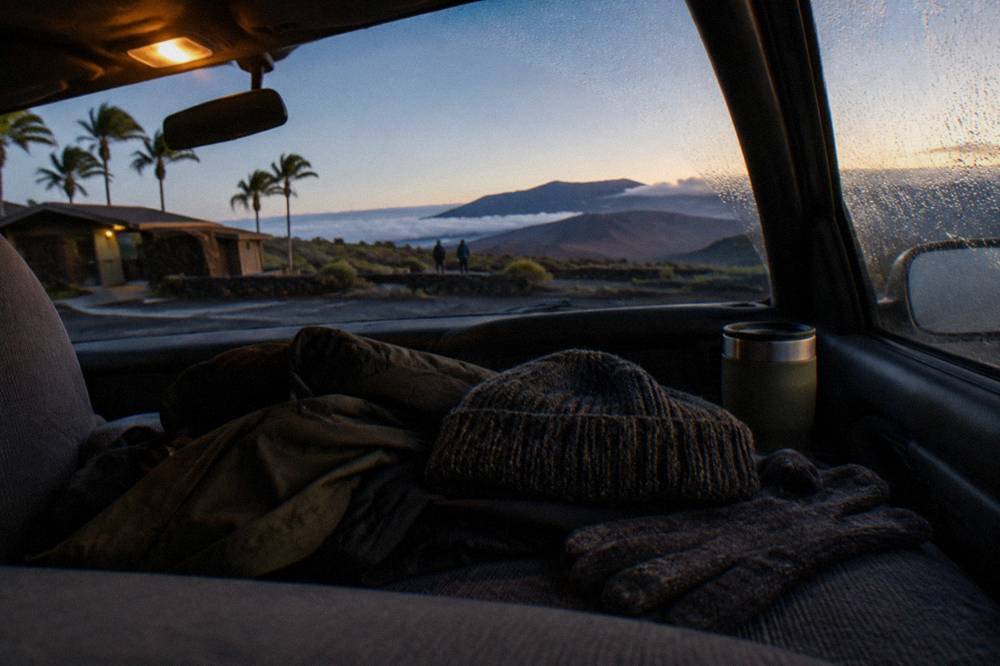
A few specific notes from how mornings actually run up there. First, there is nowhere warm to retreat to while you wait. The Haleakala Visitor Center area at 9,740 feet is an open lot and a small building with limited hours, so the vehicle is your only warming hut, and on a guided tour it belongs to the whole group. Second, red-light discipline matters more than most packing lists admit: the park's stargazing guidance asks visitors to use red light and turn off white lights after dark, so if you bring a headlamp, bring one with a red mode, and skip the phone flashlight as your plan A. Third, do not count on buying anything you forgot. The park's own pages state there is no gas or food for sale inside the park, and emergency help is at least an hour away, so the jacket you did not pack is not a problem you can solve on the mountain.
Sunscreen and sunglasses belong in the bag even though you are dressing for cold. Ultraviolet intensity rises with elevation, and after the sun is up you will be standing at altitude in bright, thin air, often above the cloud deck, with reflections off the crater's pale cinder. Lip balm earns its place for the same reason. None of this is bulky; it all fits in a small daypack you can wear rather than carry, which is the real test for what makes the cut.
On luggage-weight decisions, a reasonable planning range is one daypack per person with three thin layers, a hat, gloves and water; anything beyond that is comfort, not requirement. If you are flying with limited luggage and weighing whether to pack a real winter kit for one morning, the tour question in the next section matters more than the jacket question, because two of the operators on the island lend outerwear.
Do Any Tours Provide Warm Clothing Or Gear?
Yes, in specific cases. The guided and self-guided sunrise bike tours by Bike Maui AND Haleakala EcoTours list Helly Hansen outerwear as an offered inclusion, which guests confirm in reviews, and the classic vehicle sunrise tour lists no loaner clothing among its inclusions, so pack your own warm layers. Read each listing's inclusions line before deciding what to pack; none of the van-only coach tours promises a full winter wardrobe, so bring your own layers regardless.
The clearest documented case is the bike side of the roster. A guest on the self-guided sunrise bike ride wrote: "Great to have the Helly Hansen clothing offered with this tour so you can pack a little lighter in luggage." That review, on the Haleakala Sunrise Best Self-Guided Bike Tour listing, confirms the outerwear offer is real and usable, and the same operator runs the guided sunrise bike ride, so check both listings if a lighter suitcase is the goal. The trade-off is the format: these are bike tours, with a pre-dawn van ride to the summit for sunrise followed by a descent on two wheels, not a seated coach morning.
On the vehicle side, a guest on the Classic Vehicle Sunrise Tour with Breakfast by Bike Maui AND Haleakala EcoTours, from $287 per person with a 4.6 rating from 175 reviews, reported warm layers available on that trip too, so the operator's cold-weather culture appears to span its products. The pure coach tours by other operators, such as the Sunrise Coach with Local Breakfast by Polynesian Adventure Tours, from $254 per person and rated 4.7 from 2,471 reviews, center their inclusions on transport, breakfast and park admission rather than loaner jackets. The safe planning rule stands: pack as if nothing is provided, and treat any loaner gear as a bonus.
What If You Are Biking Down After Sunrise?
Dress warmer than the standard sunrise visitor, and treat your layering as safety equipment rather than comfort. The park states plainly that hypothermia is common on the descent for cyclists, because you are moving downhill through cold, damp air for hours at speed, which strips heat from the body far faster than standing still at the overlook.
The park's bicycling page permits riding on paved roads only, notes there is no bike lane, and lists the $15 per-person entrance pass for cyclists, but the clothing-relevant line is the hypothermia warning. A descent from altitude means wind chill is not an occasional gust, it is constant, self-generated, and unrelenting for the length of the ride. Full fingered gloves stop being optional: numb hands are a braking problem before they are a comfort problem. Long pants or tights, a windproof shell you can zip fully, closed shoes, and eye protection all earn their place, and the loaner outerwear on the Bike Maui products covers much of this if you take them up on it, which is worth doing before the sun clears the crater rim.
Timing also changes the clothing math. The guided sunrise bike tour by Bike Maui AND Haleakala EcoTours runs 8 hours from $318 per person with a 4.6 rating from 290 reviews, the self-guided version runs 7 hours from $273 per person rated 4.7 from 777 reviews, and Mountain Riders runs a small-group sunrise downhill ride, up to 12 travellers, from $279 per person rated 4.4 from 268 reviews. All of them put you outdoors, in motion, across a wide altitude range, for most of the day. A guest on the Mountain Riders sunrise ride described standing in the cold for a long stretch before the ride and called the descent the highlight of the trip, which is the honest summary: dress for the standing part and the riding part, not just the photo at the top.
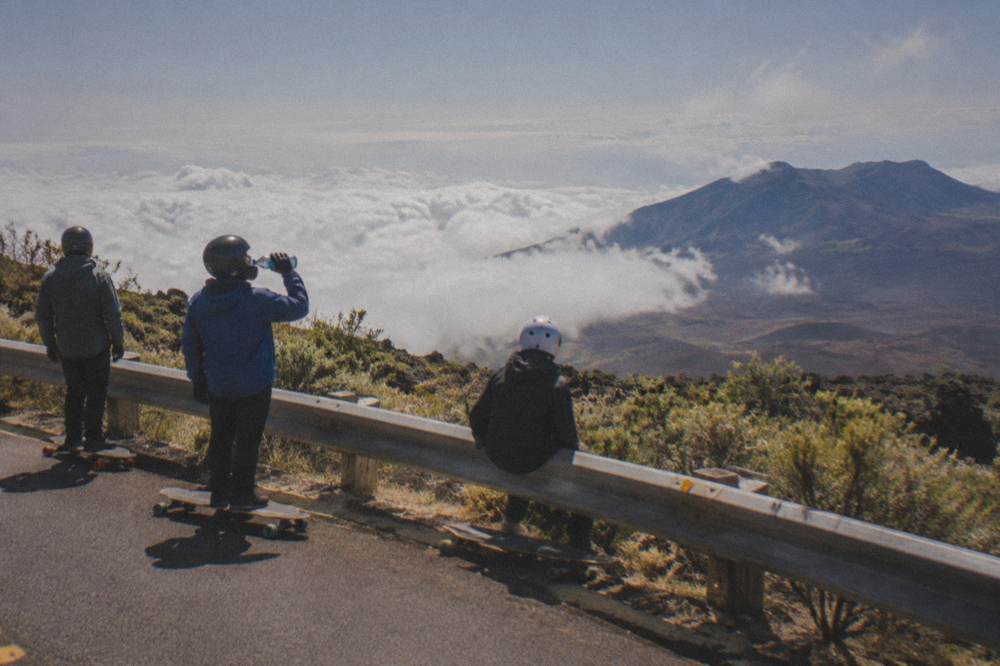
How Early You Leave Changes What You Wear?
The earlier your pickup or departure, the colder and darker your dressing conditions, and every sunrise plan leaves in the dark. Sunrise on Maui falls between roughly 5:44 a.m. in June and 7:04 a.m. in January, which means winter departures can start before 3 a.m. from West Maui, so dress at the hotel as if for a winter evening, not for the vacation day that follows.
The clock times come from the month table computed for Haleakala: sunrise runs about 5:44 in mid June, 6:07 in mid April, 6:20 in mid October and 7:04 in mid January. Drive time from the entrance gate to the summit is about 30 minutes, and from Lahaina the park allows 1.5 to 2 hours to reach the Summit District, so a January sunrise from West Maui puts you in the car around 3 a.m. and standing at the rail by 6:15. The two practical consequences: you will be choosing clothes while half asleep, so lay them out the night before, and you will spend more time in the cold dark than in the warm daylight, so the morning's coldest hour is the one you dressed for.
Guided tours shift the burden but not the temperature. The nine-hour sunrise tour by Skyline Hawaii, the featured related trip on this page, picks up at your hotel or condo, includes breakfast and park admission per the listing, and runs from $236 per person with a 4.7 rating from 678 reviews. It removes the dark mountain drive, the sunrise reservation question for drivers, and the parking scramble; it does not remove the 30-degree temperature drop, so the packing list stays exactly the same. You can read the full nine-hour sunrise tour listing for pickup coverage and current dates, and if you are weighing guided against driving yourself, the question of the $1 sunrise reservation, required for private vehicles entering between 3:00 a.m. and 7:00 a.m., is covered in depth on our reservations guide.
One last packing note for parents, since sunrise tours are family trips for plenty of visitors: a review of the Sunrise Coach with Local Breakfast mentions two children, aged 11 and 8, loving the morning, and the same physics that chills adults chills children faster, because smaller bodies lose heat more quickly. Kids need the same three layers, real shoes, hats and gloves, and a spare dry base layer in the daypack costs nothing.
Before the common questions, the three trips most visitors compare for a dressed-warm sunrise morning:
Common Questions About Dressing For Haleakala Sunrise
How To Dress For Haleakala Sunrise?
Wear three layers: a synthetic or wool base layer, a fleece or puffy mid layer, and a windproof shell, with long pants, closed-toe shoes, warm socks, a beanie and gloves. The summit runs about 30 degrees Fahrenheit colder than the coast and often sits at or below freezing before dawn, with wind chill pushing it colder.
Do I need a winter jacket for Haleakala sunrise?
You need a windproof outer layer, which can be a light ski shell or rain jacket rather than a heavy parka. The park's guidance is that summit temperatures are at least 20 degrees colder than sea level and often below freezing, so the shell plus a fleece underneath does the job for the roughly hour you spend outside.
Are shorts okay for the Haleakala summit?
No. Long pants are the consistent recommendation across every month, because pre-dawn summit temperatures range from below freezing to the low forties Fahrenheit and wind is routine. Thin leggings alone are also a common miss; a wind-resistant outer pant or a layer over leggings works better.
Can I wear slippers to the Haleakala sunrise?
Slippers are the most cited clothing mistake on the mountain. The walk from parking to the overlook is on pavement and gravel that can be damp or iced, and you stand outside for up to an hour before dawn. Closed-toe shoes with grip and warm socks are the right call.
Does any tour provide jackets or warm clothing?
Some do. The guided and self-guided sunrise bike tours by Bike Maui AND Haleakala EcoTours list Helly Hansen outerwear as offered, confirmed in guest reviews, and guests on the operator's classic vehicle sunrise tour also report warm layers offered. Pack your own layers regardless, since coach tours by other operators do not list loaner outerwear.
Is Haleakala colder in summer or winter?
Winter, clearly. November through March is the park's rainy season, with heavier precipitation, more wind and a higher chance of sub-freezing dawns. But summer summit mornings are still cold by beach standards, and the park reports year-round summit readings from below freezing to 65 degrees Fahrenheit, so the layering advice does not change by season, only the probability of the coldest end.