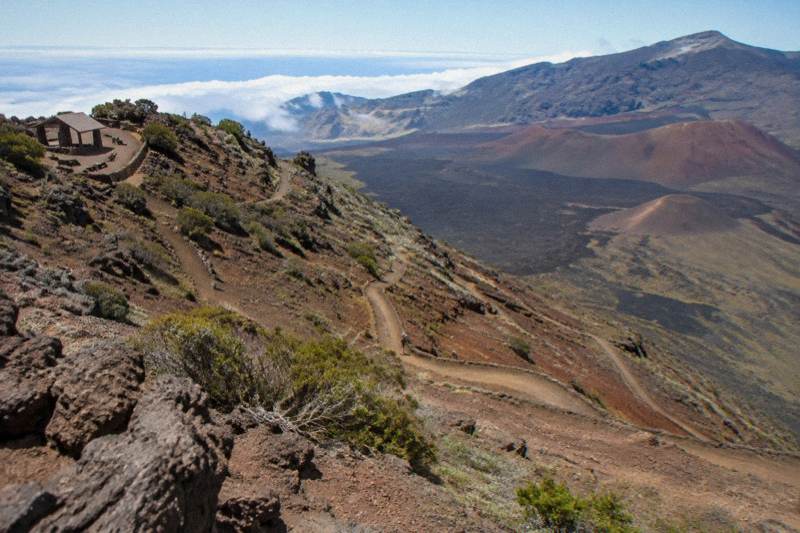
Haleakala Hikes And Guided Crater Hiking Tours
Hiking is the only way to get inside the Haleakala crater rather than look into it, and the options run from a half-mile stroll to an 11-mile full-day crossing. Here is what each trail really involves, and what the guided and private hiking tours on this site's roster actually include.
Short answer
The two most walked crater hikes are the Keonehe'ehe'e (Sliding Sands) first overlook at 0.5 mile round trip with 50 ft of elevation change, and the Halemau'u viewpoint at 2.2 miles round trip with 400 ft. Guided options on the roster run from $208 per person for the Hike Maui crater hike with a meal to $555 per group for a private Aloha Wild sunset tour.
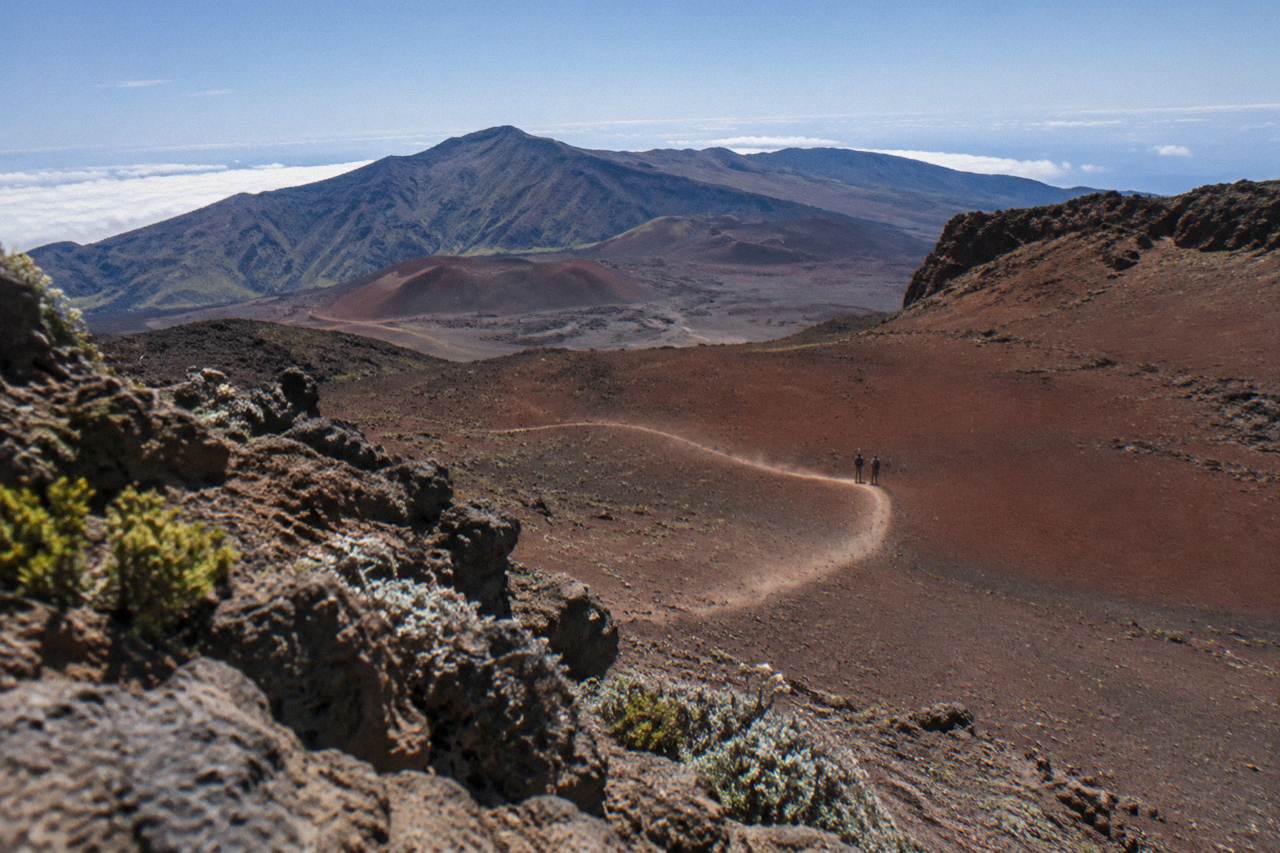
Hiking puts you inside the volcano. Every viewpoint on the crater rim looks down into the Haleakala crater, but the trails are the only way down onto the crater floor, a landscape of red and black cinder, silversword plants and lava flows that the Haleakala National Park Tours roster can only reach on foot. The park's own hiking page is blunt about the trade: summit trails are strenuous because of lower oxygen, trails run between 9,780 ft and 6,380 ft, and hiking out takes about twice as long as hiking in.
That combination, thin air and a climb at the end, is exactly why guided hiking tours exist. This guide walks through the park's trail facts first, then compares the guided and private hiking products on the roster, including the Haleakala Crater Hiking Experience, with Check availability beside it for anyone who has already decided they want a guide. For readers weighing the drive against the walk, the Haleakala summit guide covers what you see without leaving the road.
What Trails Can You Hike In Haleakala National Park?
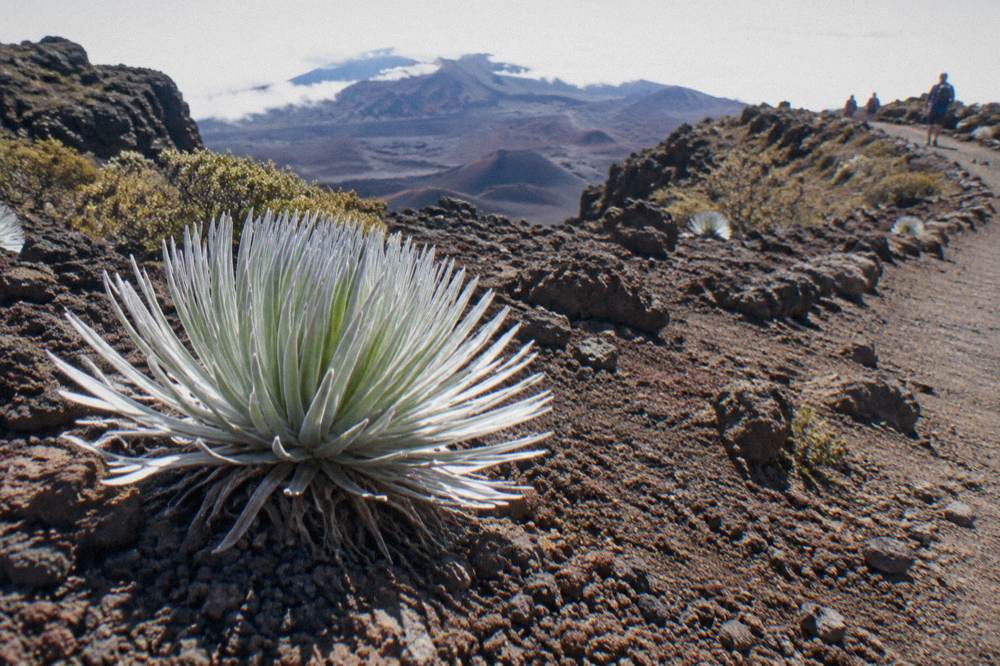
The Summit District's signature walk is Keonehe'ehe'e, the Sliding Sands Trail, which starts in the Haleakala Visitor Center parking lot and drops toward the crater floor. The first overlook is a gentle 0.5 mile round trip with 50 ft of elevation change. Halemau'u offers a 2.2-mile round-trip viewpoint walk, and Hosmer Grove is an easy 0.54-mile loop. When you're ready to string several of these short walks into a full day above the clouds, the guide to Haleakala crater tours and rim day trips compares the options.
The number that matters most on Sliding Sands is not the distance in, it is the distance out. The park's hiking page states plainly that hiking out takes about twice as long as hiking in, because loose sand and cinders make every uphill step slide back half a step, and because you finish at altitude. A walker who goes 45 minutes down should budget well over an hour to come back up. This is also why the crater floor itself is a different proposition from the first overlook: the floor sits about 3.9 miles one way and roughly 2,500 ft below the trailhead, and the park's own numbers make the return the punishing half.
Halemau'u, on the crater's north rim, is the kinder direction. Its 2.2-mile round trip to the viewpoint and back carries 400 ft of elevation change, mostly along a rim path rather than a descent. Hosmer Grove, near the 7,000 ft park boundary, is the easiest option in the Summit District: a 0.54-mile self-guided nature loop through non-native trees and native shrubland, flat enough for almost anyone. Readers deciding how much crater they can handle in one day should also read the companion piece on how long it takes to hike the Haleakala crater, which works the time math in detail.
| Trail | Round trip | Elevation change | Character |
|---|---|---|---|
| Keonehe'ehe'e first overlook | 0.5 mile | 50 ft | Easy rim-level overlook |
| Keonehe'ehe'e to crater floor | 3.9 miles each way | About 2,500 ft down and back up | Strenuous |
| Halemau'u viewpoint | 2.2 miles | 400 ft | Moderate |
| Hosmer Grove loop | 0.54 mile | 50 ft | Easy nature loop |
| Full crater crossing | 11 miles one way | Ends at 7,990 ft | Strenuous, needs two cars |
| Pipiwai Trail (Kipahulu) | 4 miles | 800 ft gain | Moderately strenuous |
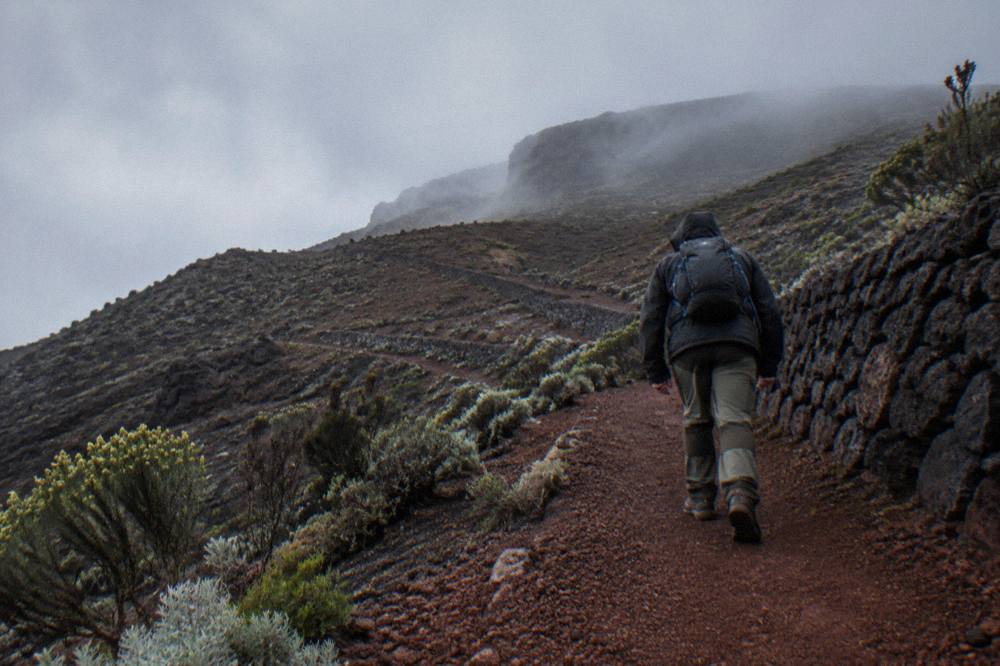
The crossing deserves its own caution. Eleven miles one way, with no shuttle and the exit trailhead miles down the road from the entry trailhead, means most walkers who attempt it plan a car shuttle or arrange pickup. Anyone attempting the floor or the crossing should treat it as a full-day commitment with water, sun protection and layers, and check the park's current conditions page before setting out, since weather can close trails at any time.
Which Guided Hiking Tours Of Haleakala Can You Book?
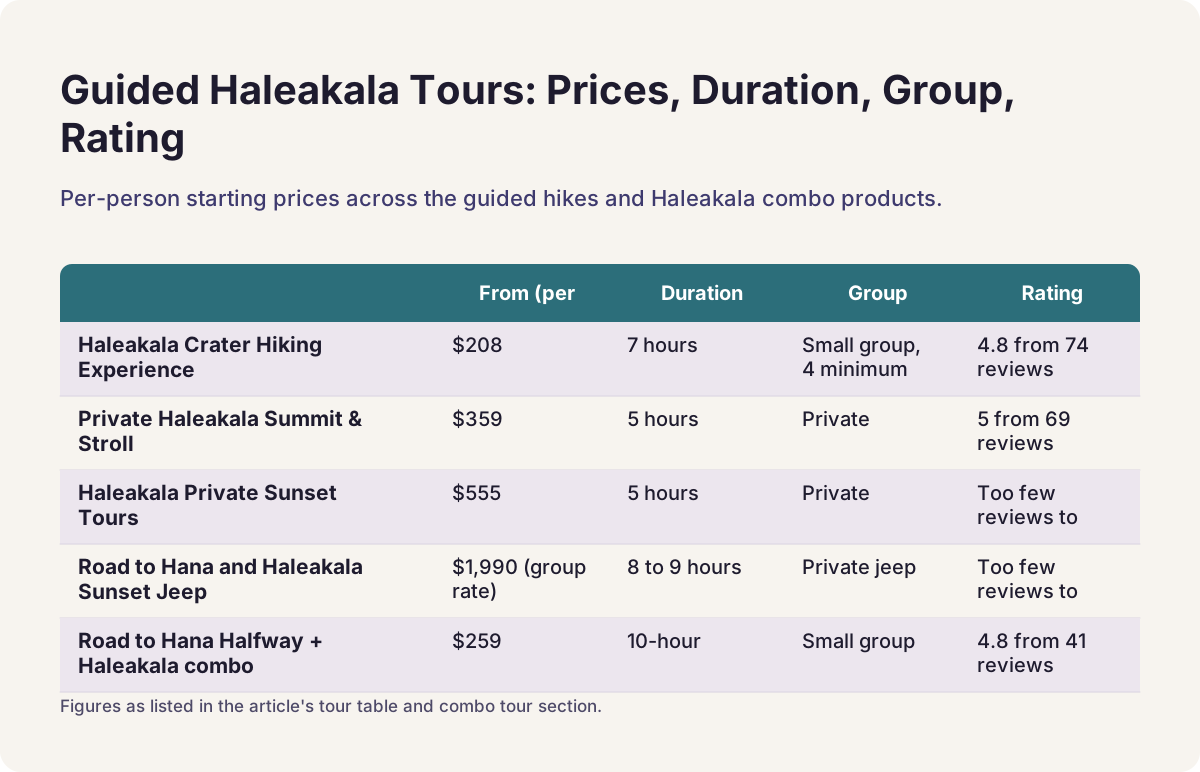
The roster's dedicated group hiking product is the Haleakala Crater Hiking Experience, a 7-hour small-group hike with Hike Maui, from $208 per person, rated 4.8 from 74 reviews, with a meal included and a 4-traveller minimum to run. The other guided products are private tours, from $359 per group for the Holo Holo Maui summit stroll to $1,990 per group for an open-air jeep tour combining Hana and a Haleakala sunset.
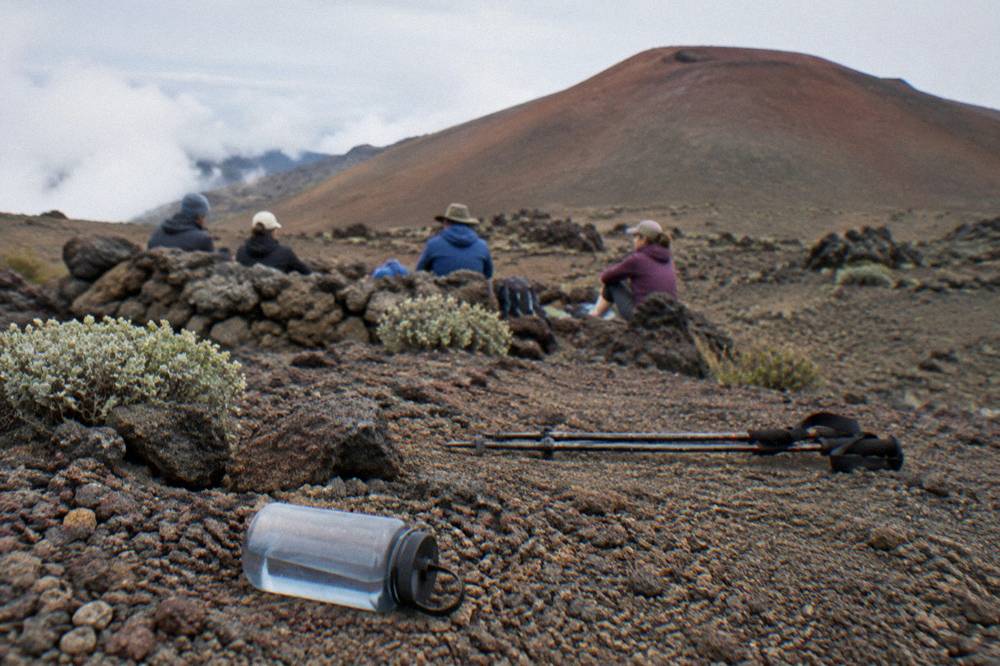
The Crater Hiking Experience is the closest thing on the roster to a classic guided day hike. Hike Maui runs it as a 7-hour small-group outing in the Sliding Sands area per the listing, with a meal included, and the row states hotel pickup is not included on this tour; meet at the Kahului Park & Ride instead. Its 4.8 rating comes from 74 reviews, a small but consistent pool, and the listing states free cancellation with the cutoff on the booking page. A guided hike removes the two biggest risks of a solo crater walk: misjudging the turnaround and running short of water, both of which the park flags in its own safety guidance.
The private options suit travelers who want a guide without a group. Holo Holo Maui Tours runs the Private Haleakala Summit & Stroll from Kahului, a 5-hour private tour from $359 per group, rated 5 from 69 reviews, covering the crater, Hosmer Grove and the crater road with admission included. Aloha Wild Tours offers Haleakala Private Sunset Tours, 5 hours from $555 per group with a crater stop and admission included; that listing has only 7 reviews, too few to support any rating claim. The most expensive item in the whole hiking-private category is the Road to Hana and Haleakala Sunset Open-Air Jeep Private Tour from Lani Wanderlust, from $1,990 per group, 8 to 9 hours, with hotel pickup; it too has too few reviews (4) for a rating claim.
| Tour | Operator | From Price | Duration | Group | Rating |
|---|---|---|---|---|---|
| Haleakala Crater Hiking Experience | Hike Maui | $208 per person | 7 hours | Small group, 4 minimum | 4.8 from 74 reviews |
| Private Haleakala Summit & Stroll | Holo Holo Maui Tours | $359 per group | 5 hours | Private | 5 from 69 reviews |
| Haleakala Private Sunset Tours | Aloha Wild Tours | $555 per group | 5 hours | Private | Too few reviews to cite |
| Road to Hana and Haleakala Sunset Jeep | Lani Wanderlust | $1,990 per group | 8 to 9 hours | Private jeep | Too few reviews to cite |
Between those poles sit the combo products, which include a Haleakala stop without being hikes. Aloha Eco Adventures runs the Road to Hana Halfway and Haleakala National Park combo, a 10-hour small-group tour from $259 per person, rated 4.8 from 41 reviews, with hotel pickup offered from Central, South and West Side hotels and about 2 hours inside the park. It is the pragmatic pick for a traveler who wants crater air and the Hana coast in one long day, a tradeoff examined in the Road to Hana versus Haleakala comparison.
How Hard Is A Haleakala Hike Really?
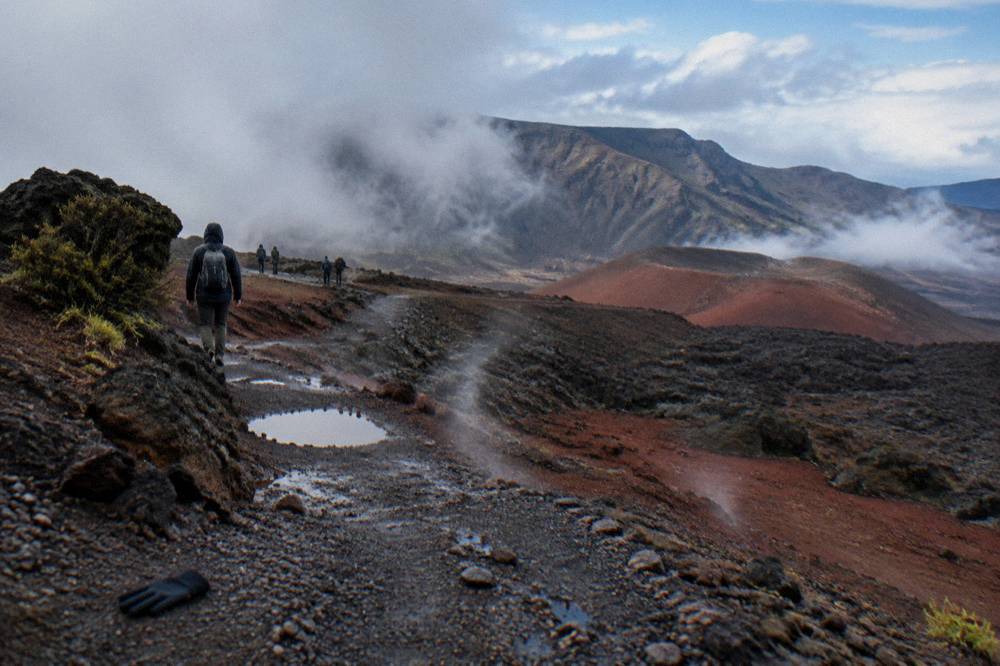
Difficulty on Haleakala comes from altitude more than terrain. The park states summit trails are strenuous because of lower oxygen, that altitude sickness symptoms (nausea, headache, dizziness, shortness of breath) are a concern, and that trails range between 9,780 ft and 6,380 ft. The temperature swing compounds it: the summit sits about 30 F cooler than the coast and is often below freezing before dawn.
The short walks are genuinely short, but nothing at 10,023 ft is free. The park's guidance is specific on who should think twice: pregnant visitors and people with heart or respiratory conditions should consult a doctor before hiking at the summit, and anyone whose symptoms worsen should descend. Emergency help is at least one hour away in the Summit District, there is no gas or food for sale in the park, and there is no cell service in the crater, so a twisted ankle on the crater floor is a slow afternoon, not a phone call.
The honest difficulty answer also depends on the walk. The Hosmer Grove loop is no harder than a neighborhood stroll. The Sliding Sands first overlook is a few minutes on a sand path. The crater floor and the crossing are a different sport, and the deeper treatment lives in the site's piece on whether Haleakala is a difficult hike. The park's own safety page is the primary source for turnaround planning: assume the way out costs double.
What Should You Wear And Carry On A Haleakala Hike?
Layers, more water than feels reasonable and sun protection are the three constants, because the park states summit temperatures commonly run 30 to 65 F year round, wind chill and damp make it feel colder, and there is no water or food for sale in the park. Closed-toe shoes with grip matter on cinder and lava rock, and hikers should carry out everything they carry in.
The temperature math catches most visitors off guard. Whatever the coast is doing, the summit runs about 30 F colder by the park's own figure, and before dawn in winter the summit can sit below freezing. The reverse trap is the sun: at the summit's elevation the UV exposure is severe even when the air is cold, and there is almost no shade anywhere on the crater trails. The practical kit list is warm layers you can shed, a hat and sunscreen, more water than the distance suggests because altitude accelerates dehydration, and salty snacks.
Clothing guidance for the summit applies to hikes as much as to sunrise viewing, and the site's piece on how to dress for the Haleakala sunrise covers the layering logic in detail. One roster detail worth noting: no hiking listing on the roster supplies gear beyond the meal on the Hike Maui product, so boots and layers are your own problem on every walking tour.
| Item | Why the park says so |
|---|---|
| Warm layers | Summit about 30 F cooler than the coast, often below freezing before dawn |
| Sun hat and sunscreen | Severe UV at altitude with almost no shade |
| Extra water | No water or food sold in the park; altitude speeds dehydration |
| Grippy closed-toe shoes | Loose cinder and lava rock on every crater trail |
| Snacks | Long exits, emergency help at least an hour away |
Do You Need A Tour To Hike Haleakala, Or Can You Go Alone?
No, a tour is not required. All of the park's trails are open to independent hikers with the standard entrance fee, $30 per private vehicle for 3 days covering both districts. A guided or private tour adds a guide who manages pace, water and turnaround decisions, plus transport up the crater road, and for the crater floor walk it adds local knowledge you cannot download.
The fee side is straightforward and detailed in the site's guide to the Haleakala entrance fee and passes: $30 per vehicle for three days, both districts, $25 per motorcycle, $15 per person on foot or bicycle aged 16 and over, $55 for the annual park pass. Note that if you hike in before 7:00 a.m. as a pedestrian entering on foot, the sunrise vehicle reservation does not apply to you, but the park does not recommend being on the upper road in the dark, and walking up the crater road is a long, dark, vehicle-adjacent experience nobody should plan casually.
What a tour buys is judgment. A Hike Maui guide on the Crater Hike Experience sets the turnaround point, carries the group's margin of error, and knows which sections of Sliding Sands reward the effort on a given weather day. The listing for that product includes a meal, which solves the no-food-in-the-park problem. A private tour, like the Holo Holo Maui summit stroll, adds flexibility on pace and route. Solo hikers get the same trails; they just carry all of those decisions themselves, which is exactly what the free-options guide on this site walks through for free things to do at Haleakala.
One further option sits outside the hiking category but speaks to the same crater: the Hana Rainforest and Haleakala Crater Helicopter Tour from Air Maui, 45 minutes from $368 per person, rated 4.7 from 155 reviews. It flies over the crater rather than landing in it, and one recent review on the listing captures the tradeoff: "The ride was short (45 min) but didn’t really feel that way." It is the way to see the crossing's scale in an afternoon rather than earn it on foot.
When Is The Best Time Of Year To Hike Haleakala?
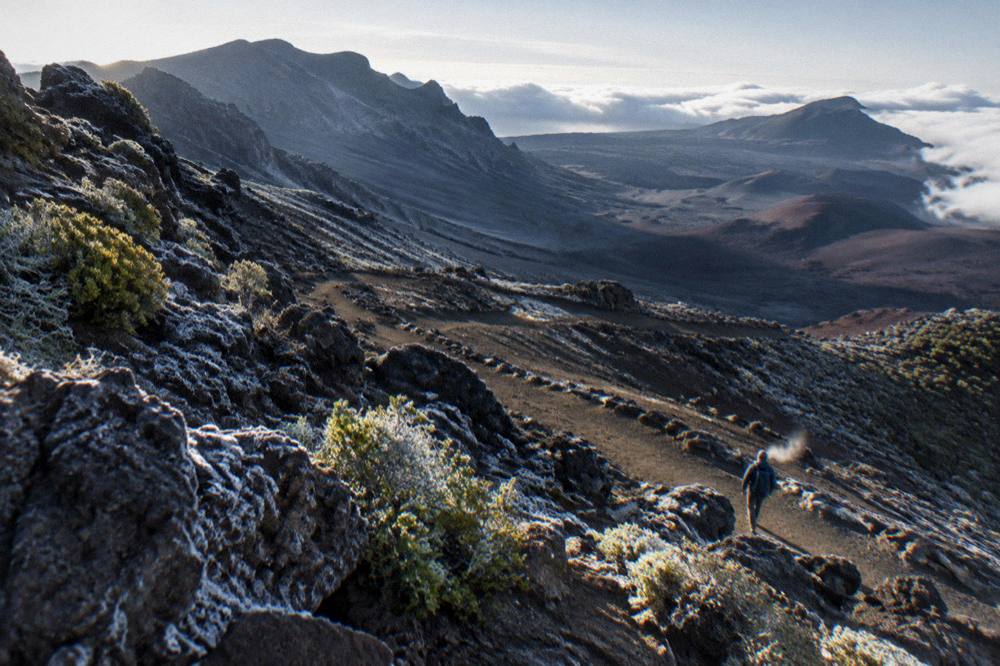
The driest, most reliable hiking months at the summit are June through September, when the park's weather data shows monthly precipitation dropping to between 0.5 and 2.7 inches, against 4.2 to 6.6 inches in the November through March rainy season. Winter hikes are possible but colder, with summit mornings at or below 32 F, and any month can bring clouds and wind that change the walk.
The precipitation pattern is the clearest signal in the park's own numbers, recorded at the Haleakala station at 6,962 ft, about 3,000 ft below the summit. June is the standout at half an inch of rain for the month, while December averages 6.6 inches and March 4.7. That does not make winter hiking a bad idea; it makes winter hiking a different plan, with earlier turnaround times, more layers and a real chance of a socked-in crater. The site's Haleakala summit weather guide covers the month-by-month picture in full.
| Month | Avg high / low at park station (F) | Avg precipitation (inches) |
|---|---|---|
| January | 63.1 / 44.7 | 4.5 |
| March | 58.2 / 42.7 | 4.7 |
| June | 65.9 / 48.8 | 0.5 |
| September | 64.6 / 48.1 | 2.6 |
| December | 61.3 / 45.8 | 6.6 |
For guided hikes specifically, summer's milder mornings at the trailhead still mean a summit roughly 30 F colder than the coast by the park's own temperature math, so the layering advice does not have a season off. Tours run year round with weather calls made by the operator; the park closes only for extreme, hazardous weather, and the listing's free cancellation terms matter most in the wet months, though no tour promises clear skies and any date can turn cloudy regardless of season.
How Much Does A Haleakala Hike Or Hiking Tour Cost?
Independent hiking costs the entrance fee only, $30 per vehicle for 3 days or $15 per person on foot. Guided options start at $208 per person for the Hike Maui crater hike with a meal, run $359 for the private Holo Holo Maui summit stroll, $555 for a private Aloha Wild sunset tour, and reach $1,990 per group for the private open-air jeep Hana-and-sunset combination.
The price ladder maps cleanly onto what each product removes from your plate. The $30 vehicle fee buys the trails and nothing else: your transport, your navigation, your water, your turnaround call. The Crater Hiking Experience at from $208 per person adds a guide, the Sliding Sands routing decisions and a meal. The private tours add exclusivity and pace control, and the jeep product folds in the entire Road to Hana. Per-hour math favors the group hike: $208 across 7 hours is under $30 an hour for guided access, while the shorter private tours cost more per hour for fewer shared decisions.
One cost that catches self-drivers at certain hours: if you drive yourself into the Summit District between 3:00 a.m. and 7:00 a.m., you need the $1.00 per vehicle sunrise reservation from recreation.gov in addition to the entrance fee, and inventory often sells out within fifteen minutes of release. Tours run by NPS-authorized commercial operators operate under their own park authorization, which is a separate matter from the reservation a self-driving hiker needs, and no listing on this roster states that it provides the sunrise reservation. Daytime hikers arriving after 7:00 a.m. need no reservation at all.
For hikers who want a gentler Haleakala day with the logistics handled, the Best of Maui Tour: Sips, Sites and Bites with Lunch from Polynesian Adventure Tours, from $307 per person for 9 hours 30 minutes, rated 4.3 from 203 reviews, includes park admission and lunch with short walks at viewpoints rather than a crater descent. A guest review on that listing sums up the appeal: "The volcano was spectacular, and the trip up to it was amazing."
Common Questions About Haleakala Hiking Tours
Can You Hike Haleakala Without A Tour?
Yes. Every trail in the park is open to independent hikers with the entrance fee, $30 per private vehicle for 3 days or $15 per person on foot. A tour adds a guide, pace management and transport, not access.
How Hard Is The Sliding Sands Trail?
The first overlook is an easy 0.5 mile round trip with 50 ft of elevation change. The crater floor is about 3.9 miles one way and 2,500 ft down, and the park states hiking out takes about twice as long as hiking in.
What Is The Best Guided Haleakala Hike?
The roster's dedicated group hiking product is the Haleakala Crater Hiking Experience with Hike Maui, 7 hours from $208 per person, rated 4.8 from 74 reviews, with a meal included and a 4-traveller minimum to run.
Do You Need The Sunrise Reservation To Hike?
Only if you drive yourself into the Summit District between 3:00 a.m. and 7:00 a.m.; that window requires a $1.00 per vehicle reservation from recreation.gov. Arriving after 7:00 a.m. on foot or by vehicle needs no reservation, just the entrance fee.
Can You Hike To The Crater Floor And Back In One Day?
Yes, for a fit hiker, but it is 3.9 miles each way with 2,500 ft of descent and re-ascent at altitude. Most people turn around at the first or second overlook and treat the floor as a guided or shuttle-planned objective.
Is There Water Or Food Inside The Park?
No. The park sells no gas or food, and there is no cell service in the crater. Hikers carry everything in and out; the guided Hike Maui listing is the one roster product that includes a meal.