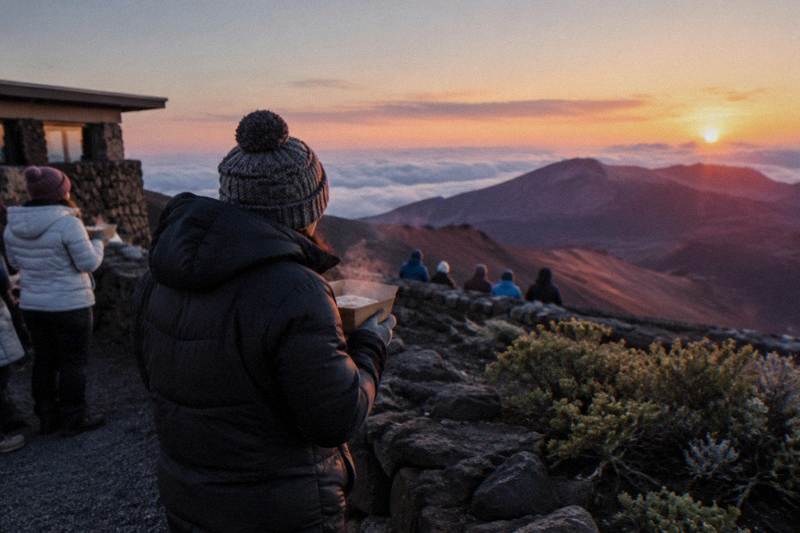
Is The Drive To Haleakala Scary?
An honest look at the Haleakala summit road: hairpin turns, no guardrails in places, dark pre-dawn driving, and when booking a tour that does the driving makes more sense.
Is The Drive To Haleakala Scary?
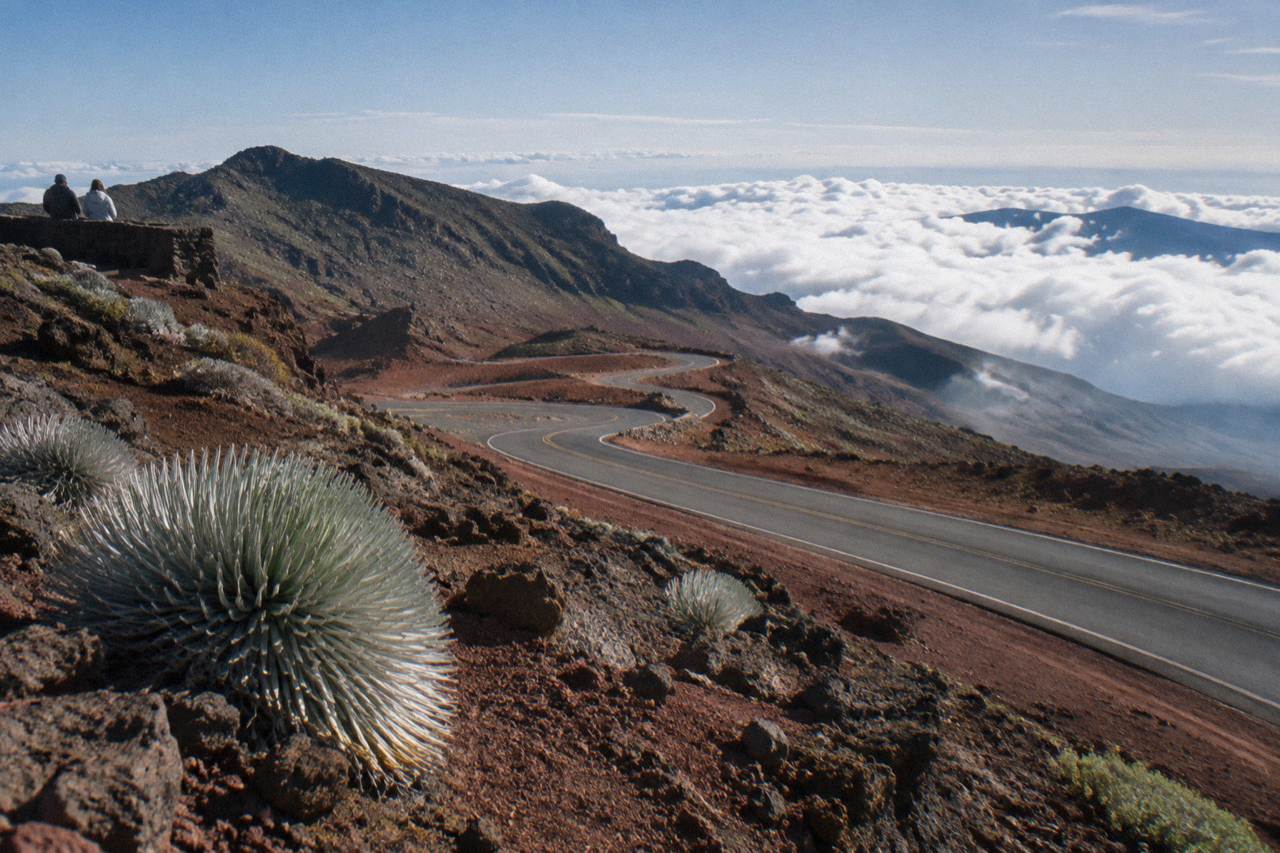
For many drivers, yes, at least a little: the route to the Haleakala summit is a two-lane mountain highway climbing to 10,023 feet, with switchbacks, steep grades, sections without guardrails, and, for sunrise, the entire ascent in the dark. The National Park Service itself warns of no streetlights and no guardrails. Whether it feels scary depends on your comfort with mountain driving, the weather that morning, and whether you are doing it before dawn.
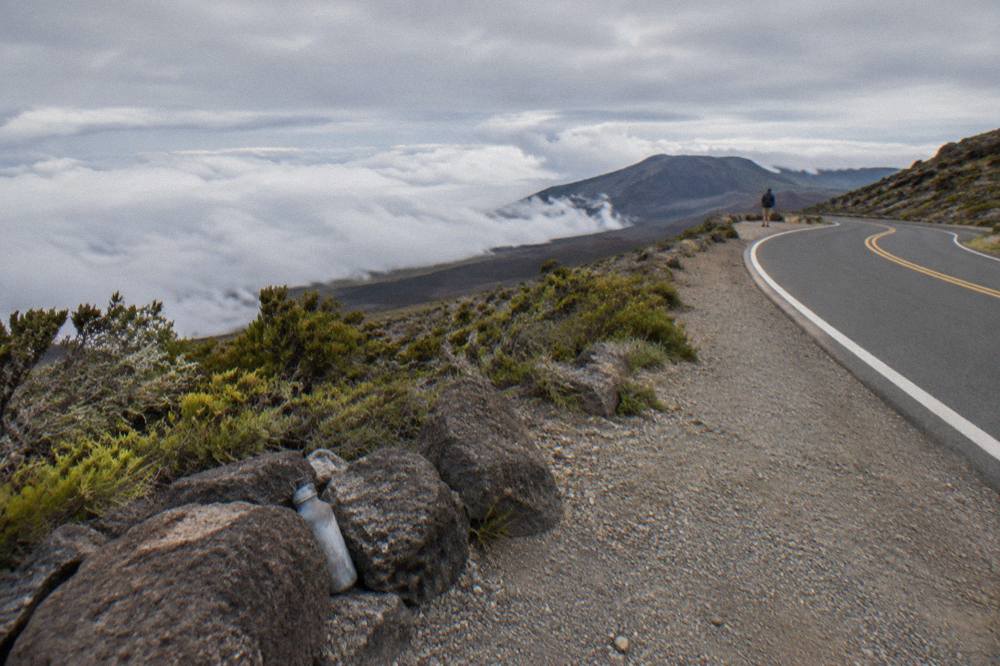
That answer surprises people who look at a map and see a normal highway. Haleakala Crater Road, the upper stretch most people mean when they talk about "the drive," is paved, well maintained, and legally an ordinary road. Nothing about it is extreme by the standards of mountain passes elsewhere. But the context around it is unusual: most visitors from the mainland and from abroad are doing it jet-lagged, before dawn, in a rental car, at altitude, on a road they have never seen in daylight.
The park's own pages are blunt about the conditions. The NPS sunrise page notes that before dawn and after dusk the summit area is regularly wet, windy and below freezing, and that the road has no streetlights and no guard rails. The park FAQ gives the drive times: Kahului to the Summit District runs 45 minutes to 1 hour, Kihei 1 to 1.5 hours, Lahaina 1.5 to 2 hours, and the paved road from the entrance gate up to the summit is about 30 minutes and 11 miles.
Nervous drivers are, quietly, exactly the people who keep the guided sunrise tours in business. A coach tour such as the Sunrise Coach with Local Breakfast from Polynesian Adventure Tours, from $254 per person and rated 4.7 from 2,471 reviews, exists partly so that nobody in the car has to white-knuckle those switchbacks in the dark. The same logic applies to the Small-Coach Sunrise Breakfast from Valley Isle Excursions, from $264 per person with a 22-traveller maximum, and to the Private Summit Stroll from Holo Holo Maui Tours, from $359 per group, where the vehicle and the driver are yours alone.
If you are trying to decide, three things matter more than anything else: whether you are driving up before sunrise or in daylight, whether the trades have the summit wrapped in cloud and wind, and how you personally feel about steep drop-offs on your right shoulder for long stretches. The rest of this article takes each of those apart.
How Long Is The Drive To The Haleakala Summit?
Count on 1.5 to 2.5 hours of driving each way for most Maui lodging areas: 45 minutes to 1 hour from Kahului to the park entrance, 1 to 1.5 hours from Kihei, 1.5 to 2 hours from Lahaina, then 30 minutes and 11 miles from the gate to the summit at 10,023 feet. A sunrise trip adds a pre-dawn start.
Those times are the park's own, from the official FAQ, and they assume normal conditions. They do not include the time you spend parking, walking from a lower lot if the summit lot is full, or waiting at the entrance station, which the park says accepts credit and debit only, no cash.
| Starting point | Drive to Summit District entrance | Entrance gate to summit | Total, one way |
|---|---|---|---|
| Kahului | 45 min to 1 hour | about 30 min, 11 miles | about 1.25 to 1.5 hours |
| Kihei | 1 to 1.5 hours | about 30 min, 11 miles | about 1.5 to 2 hours |
| Lahaina | 1.5 to 2 hours | about 30 min, 11 miles | about 2 to 2.5 hours |
The length matters for the fear question more than most people expect. Fatigue is a real factor on the descent, when the excitement has passed, the altitude has taken its toll, and you are steering downhill through the same switchbacks you climbed in the dark. If the round trip is four to five hours of total driving on top of a 3 a.m. wakeup, that is a demanding day even for a confident driver.
It is also why the tour format is not just a luxury. The Sunrise Coach with Local Breakfast runs about 10 hours door to door and lets guests sleep in the dark stretch, which a review from Sandy_B describes plainly: "Everyone slept most of the way up there until we got close. It was beautiful." The nine-hour sunrise tour from Skyline Hawaii picks up at Maui hotels and condos, as listed for the same reason.
One more time cost worth planning around: sunrise itself moves through the year. On the 15th of each month the sun rises at about 5:44 a.m. in June but not until 7:04 a.m. in January, a difference of well over an hour in your alarm clock.
What Makes The Haleakala Summit Road Challenging?
The challenges are switchbacks and sustained steep grades on a two-lane road, long stretches without guardrails, frequent clouds that drop visibility to near zero, strong winds near the top, occasional bicyclists descending the crater road, and wildlife such as nene that can appear in the roadway, all of it at altitudes up to 10,023 feet where the air is thin and temperatures can sit below freezing.
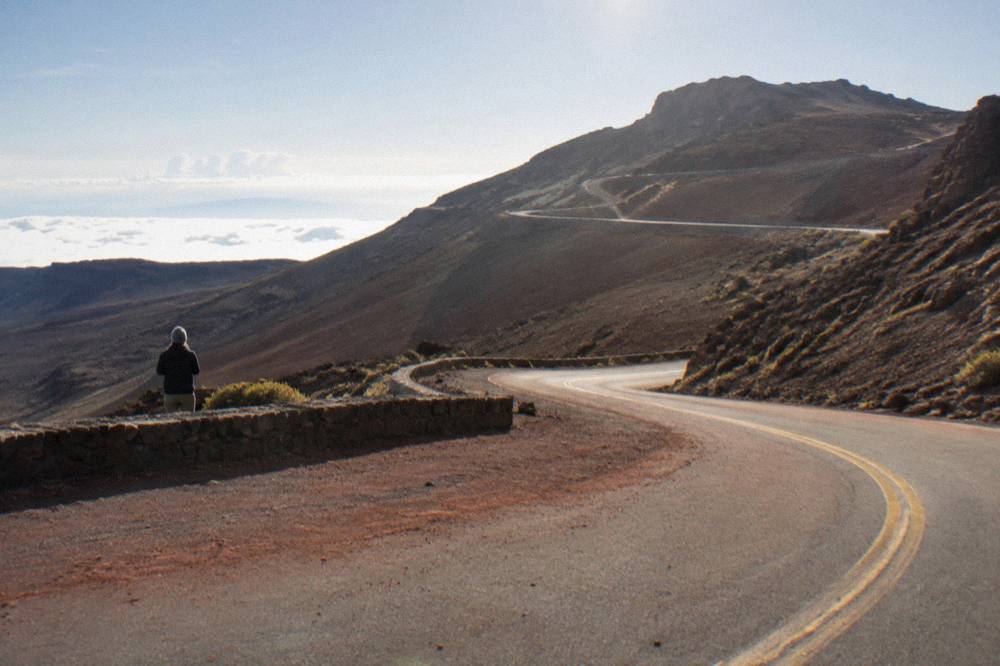
Start with the geometry. The lower half, from Pukalani or Kula up to the park entrance at 7,000 feet, is a rural highway with homes, farms and a slower rhythm. It is the upper 11 miles that earn the road its reputation: a steady series of switchbacks climbing the outside of the mountain, where the pavement is good but the margin for error is not. Cyclists descending the crater road share the lane in places, and the park's bicycling page notes there is no bike lane, so on a busy morning you may be passing riders on a curve.
Then there is the weather. The NPS weather page puts the summit about 30 F cooler than the coast, with year-round temperatures from below freezing to highs of 50 to 65 F, wind chill making it feel colder, and a rainy season that runs November through March. Rain on the upper road is not a distant possibility, it is a routine morning event, and when the summit sits inside a cloud, visibility can drop to a few car lengths exactly where the road is steepest.
The mental side is real too. Drivers who are fine on interstate highways sometimes find the exposed upper switchbacks genuinely unnerving: the passenger side drops away with nothing but air below, oncoming tour buses take the curves wide, and there is nowhere to stop on the climb itself. If reading that sentence made your stomach tighten, trust the reaction. One guest on the Twilight Sunset with Dinner tour, Stefanie_R, put the alternative in five-star terms: "Glad we did the tour bus and didn't drive ourselves. It got really busy and it's a long drive!"
For anyone who would rather ride than drive, the small-group alternatives change the character of the day. The Small-Coach Sunrise Breakfast caps the group at 22 travellers and carries a 4.8 rating from 705 reviews, and a review from Jason_S credits the operator's timing end to end while adding the detail every first-timer needs: "Dress warmer than you think. It's freezing on top of the mountain!" That temperature gap is the same 30 F the park prints, and it applies inside the vehicle's climate too once doors open at the top.
Is The Drive To Haleakala Scary In The Dark?
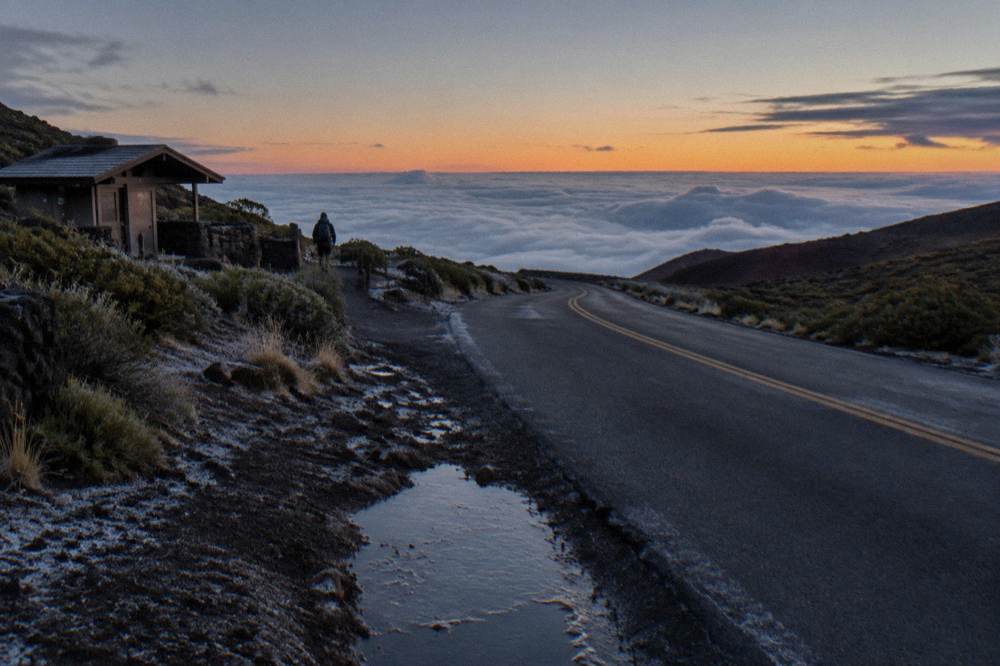
Yes, for most people the pre-dawn drive is the scariest version of it: between roughly 3 and 6 a.m. you climb an unlit mountain road you have never seen, often in cloud, with no streetlights, no guardrails, bicyclists and other early vehicles on the same switchbacks, and the only payoff guaranteed is that you arrive on time. The park does not recommend the dark climb even to cyclists, and visibility decides what you see at the top.
This is the part no brochure photograph prepares you for. In summer, sunrise on the 15th of the month falls around 5:44 to 5:52 a.m., which means leaving Kihei around 3:30 a.m. and entering the park in full darkness. In winter the sun rises nearer 6:53 to 7:04 a.m., which softens the schedule but adds the rainy season to the equation.
Two practical notes from the park's own pages. First, the road's darkness is structural: the NPS sunrise page states there are no streetlights and no guard rails, and lots close when full, so a late arrival can mean parking far below the viewpoint you wanted. Second, weather decides the sunrise, full stop. The $1 sunrise vehicle reservation, required for each non-commercial vehicle entering the Summit District between 3:00 and 7:00 a.m. and sold only through recreation.gov, is not refunded if the summit is inside a cloud, and the park's FAQ says inventory often sells out within fifteen minutes of release. If that whole sentence sounds like stress you did not fly to Hawaii for, that is precisely the case for the coach tours, which operate under their own park authorization.
The dark is also where the guided formats earn their keep most visibly. A review of the Classic Vehicle Sunrise Tour from Markus_B captures the difference a driver makes on the night climb: "Corry, the entertaining tour guide, shared lots of interesting information; we stopped along the way to take in the view of the Milky Way; the sunrise was spectacular." Arriving rested enough to notice the Milky Way from a roadside pullout is not a small thing at that altitude.
The Classic Vehicle Sunrise, from $287 per person with a 4.6 rating from 175 reviews, meets at the Kahului Park & Ride or a requested pickup point and runs the summit road for you, up to 96 travellers per departure. It is a coach-format alternative for travellers who like the big-bus price structure but not the big-bus driving.
What Is The Drive Back Down Haleakala Like?
The descent is where drivers feel less fear but face more actual risk: brake fade on long steep grades, fatigue after a short night, sun glare after a dark summit, and cyclists sharing the lane, on the same switchbacks climbed hours earlier. Use a low gear and engine braking rather than riding the brake pedal, stop at overlooks to let brakes cool, and treat the downhill as the demanding half of the trip.
The overlooks are the reward side of the ledger. Coming down in daylight, with the crater on one side and the isthmus and West Maui on the other, the same road that felt hostile in the dark can feel like the best scenic drive on the island. Kalahaku at 9,324 feet and Leleiwi at 8,840 feet are two of the park's four official sunrise viewing elevations, and they double as daytime stops where you can watch the cloud deck move below you.
Fatigue deserves a straight warning. The park's hiking guidance about altitude, nausea, headache and dizziness applies at the pullouts as much as on the trails, and the Summit District page notes there is no gas and no food in the park and that emergency help is at least an hour away. Add a 3 a.m. wakeup and thin air, and the driver is often the most tired person in the car exactly when the road needs the most attention.
Cyclists are the descent's wildcard. Downhill bike tours, self-guided and guided both, use the crater road, and the park warns that hypothermia is common on descents even in good weather, so riders are sometimes moving slowly and cold in the lane's margin. If you found the sunrise bike descents tempting from the driver's seat, the companion piece on is biking down Haleakala worth it covers that trade directly.
When Should A Nervous Driver Skip The Drive Altogether?
Skip driving yourself, or move the trip to sunset, if any of these apply: you are uncomfortable with mountain switchbacks or drop-offs at home, you are traveling with small children on a 3 a.m. schedule, the forecast shows summit clouds and rain, you have a heart or respiratory condition the altitude could aggravate, or you do not want a long round-trip drive. Sunset needs no reservation and the drive happens in daylight.
The sunset option is underrated for anxious drivers, and it is not a consolation prize. One five-star review of the Twilight Sunset with Dinner tour goes as far as "Sunset is 1000xs better than sunrise, too!", and the full comparison lives in is sunset on Haleakala worth it. The park confirms there is no reservation system for sunset viewing; the standard entrance fee of $30 per private vehicle, valid 3 days and both districts, is all that applies.
For the small-group traveller who wants the summit without any driving at all, the small-group sunset formats are the strongest fit. The Small-Group Sunset Astronomy tour from Amazing Maui Stars takes up to 8 travellers for about 4 hours near the 10,000-foot level, rated 5 from 57 reviews, from $245 per person, with the operator spending roughly 4 hours inside the park per the listing. The stargazing that follows sunset is the reason to stay after dark, and the deeper detail is in what is the best time to stargaze at Haleakala.
The honest framing is this: the drive is a skill test, not a death defying stunt. Thousands of visitors do it safely every month in ordinary rental cars. But the intersection of darkness, altitude, fatigue and exposure is a specific kind of stress, and the roster of coach and private tours exists because a large share of visitors, after one pre-dawn climb, conclude they would rather watch the sunrise than watch the road. This site, Haleakala National Park Tours, was built around exactly that choice.
Tips For Driving To Haleakala Yourself
If you drive, go slow on the upper 11 miles, use low gear on the descent, fill the tank before Kula since there is no gas in the park, pack warm layers for a summit about 30 F below coast temperature, check the park conditions page the evening before, and for sunrise secure the $1 vehicle reservation on recreation.gov, released up to 60 days ahead at 7:00 a.m. HST, often selling out within fifteen minutes.
The park's own pages carry most of what you need. The NPS conditions page is the place to check alerts before you commit to a day, since weather can close roads and change plans without notice. The Summit District page repeats the essentials that catch visitors out: no gas, no food, no cell service in the crater, and emergency help at least an hour away.
A short checklist for the drive itself:
- Start with a full tank and a warm layer per person; the summit before dawn can sit at or below 32 F even after a warm beach afternoon.
- Use low gear on the descent and pull into overlooks to cool the brakes rather than riding the pedal for 11 miles.
- Expect no guardrails on stretches of the upper road and no lighting anywhere; high beams help, fog does not care.
- Watch for downhill cyclists and nene on the crater road, especially in the first hour after sunrise.
- Arrive early enough that a full summit lot does not push you to a lower viewing area; lots close when full.
For the reservation itself, the mechanics are fixed: $1.00 per non-commercial vehicle entering the Summit District between 3:00 and 7:00 a.m., sold only online at recreation.gov, released up to 60 days ahead at 7:00 a.m. HST with a portion held back until 2 days out, one reservation per customer per three-day period, photo ID and confirmation shown at the entrance station, and no refund for weather. Fee-free days do not waive it. The full walkthrough lives in the Haleakala sunrise reservations guide.
And if the checklist reads like a second job, the fallback is simple. The sunrise tours hub compares every coach, small-coach and private format on the roster, most with hotel pickup and several with breakfast included, all run by operators that hold their own park authorization. The featured Sunrise Coach with Local Breakfast, from $254 per person, 4.7 from 2,471 reviews, with hotel pickup and drop-off from select Maui hotels and free cancellation per the listing, is the format most first-time visitors land on, and its full listing page prints the current dates and prices. Weather still decides the sky, but the road becomes someone else's problem the moment the coach door closes.
Common Questions About The Haleakala Drive
Is The Drive To Haleakala Scary?
For many drivers, yes, at least in the dark: the upper 11 miles are steep switchbacks with no streetlights, no guardrails in stretches, cloud and wind near the top, and a pre-dawn start for sunrise. In daylight, most confident drivers find it a normal, scenic mountain road. Nervous drivers usually prefer a tour with pickup or a sunset visit.
How Long Does The Drive To The Summit Take?
Per the park FAQ: 45 minutes to 1 hour from Kahului to the Summit District entrance, 1 to 1.5 hours from Kihei, and 1.5 to 2 hours from Lahaina, plus about 30 minutes and 11 miles from the entrance gate to the summit at 10,023 feet.
Do You Need A Reservation To Drive Up For Sunrise?
Yes. Each non-commercial vehicle entering the Summit District between 3:00 and 7:00 a.m. needs a $1.00 sunrise reservation from recreation.gov, in addition to the entrance fee. Inventory is released up to 60 days ahead at 7:00 a.m. HST with a portion held for 2 days out, and it often sells out within fifteen minutes. Sunset needs no reservation.
Is The Road Safe For Bicyclists?
Cycling is allowed on paved roads only, there is no bike lane, bicycles are not permitted on trails, and each cyclist 16 and over needs the $15 per-person entrance pass. The park warns that hypothermia is common on the descent and does not recommend riding up in the dark.
What Is The Drive Back Down Like?
It is the more technical half: long steep grades that can fade brakes, fatigue from the early start, sun glare, and downhill cyclists sharing the lane. Use low gear, stop at overlooks to cool the brakes, and budget more attention for the descent than the climb.
Can A Tour Do The Driving Instead?
Yes. Road-based tours from operators listed by the NPS as authorized, including Polynesian Adventure Tours, Valley Isle Excursions, Skyline and Haleakala Ecotours, operate under their own park authorization, and several roster tours include hotel pickup, breakfast and park admission per their listings. Formats range from 72-traveller coaches to private vehicles.