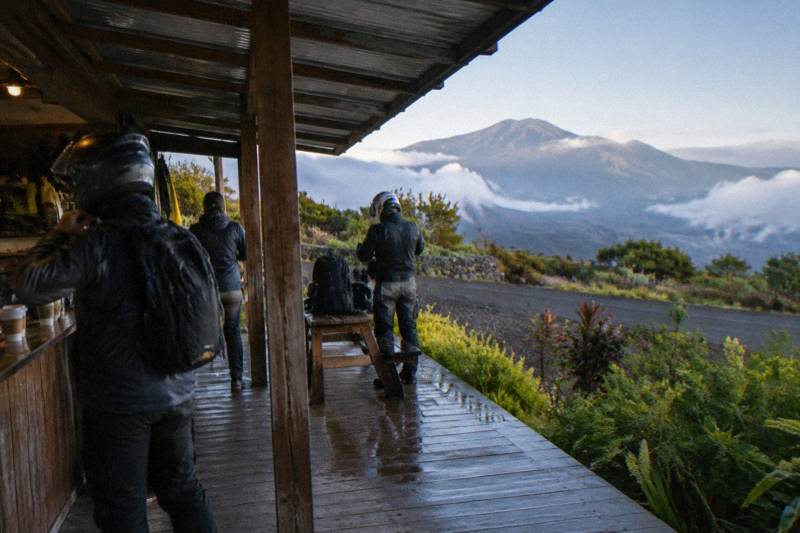
Is Biking Down Haleakala Worth It?
An honest comparison of Haleakala bike tours: prices, ride routes, difficulty, weather, and who the sunrise and express descents actually suit.
Is Biking Down Haleakala Worth It?
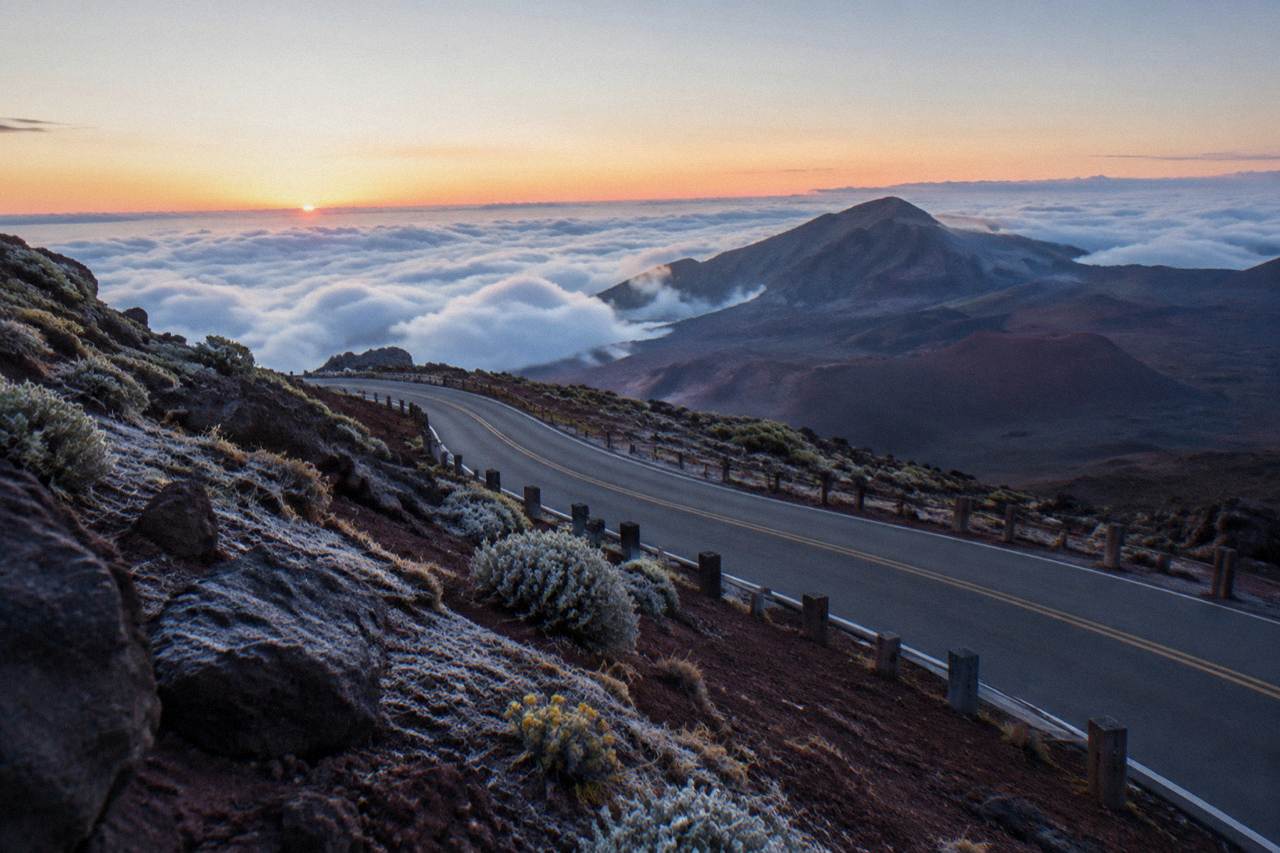
For most active travelers, yes: the descent is a genuinely distinct way to see Haleakala, combining a summit sunrise by van with a long, mostly effortless coast down the volcano's flanks. It is not worth it for anyone uneasy on a bicycle, since the ride is on a public paved road with no bike lane, and the park itself warns that hypothermia is common on the descent. Decide based on comfort on two wheels, not on fitness. If comfort on two wheels isn't a concern, the next question is usually time, and how long the ride down actually takes explains what to expect from each tour.
The idea behind every downhill bike tour on Maui is the same, and it is a good one. You ride a van up in the dark, watch the sun come up over the crater rim from the top of a 10,023 ft volcano, and then instead of sitting in a vehicle for the drive back down, you roll out onto the pavement and let gravity do the work for the next several hours. The tour roster here includes self-guided and guided versions from Bike Maui AND Haleakala EcoTours, plus small-group sunrise and daytime descents from Mountain Riders LLC, so the format has real range in price and style. With formats ranging that widely, the timing varies a lot too, so our guide on how long the Haleakala bike ride down takes helps you match a tour to your schedule.
What the ride is not: it is not a mountain bike trail, and it is not inside the crater. The park permits bicycles on paved roads only, with no bike lane and no trail access, and each listing's own description governs where its ride starts and ends. The self-guided sunrise tour's listing, for example, describes a van to the summit for sunrise and then a self-guided ride down from about 6,500 ft at the park boundary, not inside the park. That detail surprises a lot of first-time bookers, so it is worth understanding before you pay anything. If you're wondering which of these rides still exist under the current park rules, the breakdown of Haleakala's downhill bike tours today explains where each option starts and what it costs.
If you are already leaning toward booking, the three listings below cover the main formats: the self-guided sunrise ride, the guided sunrise ride, and the shorter daytime express descent.
Set against the park's own bicycling rules, the question of whether the downhill ride is worth it comes down to three things: what you actually get for the money, how hard the ride really is, and whether sunrise timing or daytime flexibility fits your trip better. The rest of this article works through each of those in turn, with the prices and ratings exactly as the listings print them. If you'd rather watch the sunrise from the summit than ride down from it, our comparison of the Haleakala sunrise tour versus driving yourself covers pickup times and what each option includes.
What Does A Haleakala Bike Tour Actually Include?
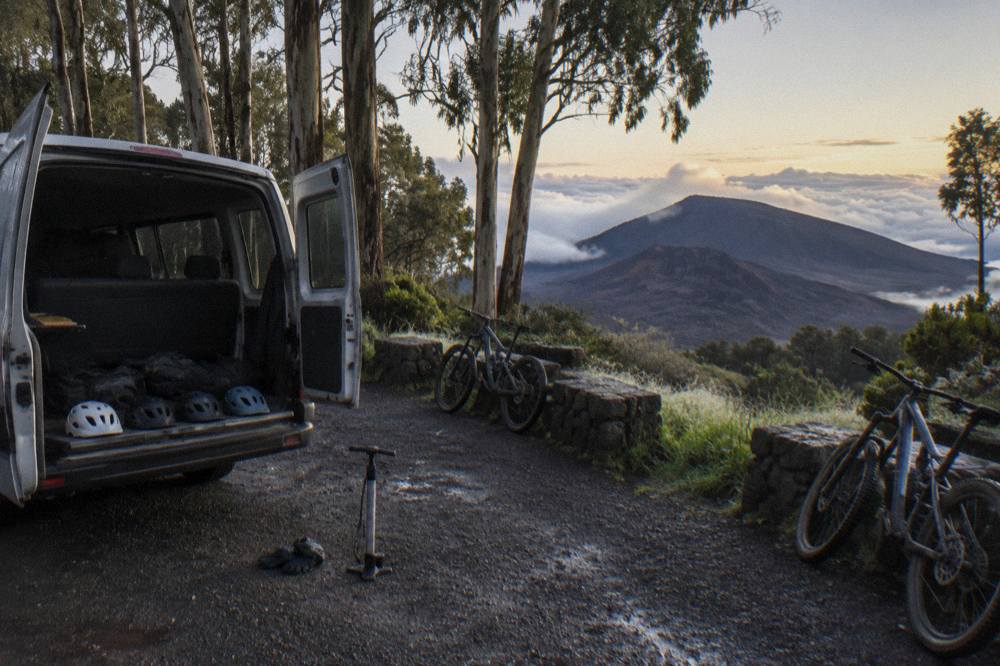
Every downhill listing on the roster bundles the same core package: van transport up the mountain, a bicycle and safety gear for the descent, and a route briefing. The differences are in group size, guide presence, sunrise access and price, which run from $146 per person for the five-hour express self-guided ride up to $318 per person for the eight-hour guided sunrise tour. Meals are not stated on any of the three main bike listings.
The three Bike Maui AND Haleakala EcoTours listings make the clearest comparison because they share an operator and equipment. The Haleakala Sunrise Best Self-Guided Bike Tour runs about 7 hours, takes up to 96 travellers, is rated 4.7 from 777 reviews and costs from $273 per person. The guided version, Haleakala Sunrise Best Guided Bike Tour with Bike Maui, runs 8 hours in groups up to 24, is rated 4.6 from 290 reviews and costs from $318 per person. The Haleakala Express Self-Guided Bike Tour with Bike Maui is the short daytime option: 5 hours, from $146 per person, rated 4.7 from 273 reviews.
| Tour | Operator | Format | Duration | Price | Rating |
|---|---|---|---|---|---|
| Sunrise Best Self-Guided Bike Tour | Bike Maui AND Haleakala EcoTours | Self-guided, up to 96 | 7 hours | from $273 | 4.7 from 777 reviews |
| Sunrise Best Guided Bike Tour | Bike Maui AND Haleakala EcoTours | Guided, up to 24 | 8 hours | from $318 | 4.6 from 290 reviews |
| Express Self-Guided Bike Tour | Bike Maui AND Haleakala EcoTours | Self-guided, up to 96 | 5 hours | from $146 | 4.7 from 273 reviews |
| Sunrise Downhill Bike Tour | Mountain Riders LLC | Small group, up to 12 | 7 hours | from $279 | 4.4 from 268 reviews |
| Day Bike Tour from 6500 Feet | Mountain Riders LLC | Small group, up to 12 | 4 hours | from $145 | 4.6 from 97 reviews |
Two inclusions matter more than they first appear. None of the bike listings state hotel pickup, so plan on getting yourself to the operator's base, and none of them state a meal, unlike the coach sunrise tours where breakfast is standard. On the other side of the ledger, one reviewer on the self-guided sunrise tour noted that Helly Hansen clothing was offered with the tour, which meant packing one layer less in luggage, a real consideration when the descent starts before the sun has warmed the road.
Haleakala National Park Tours compares every one of these descents in detail in the bike tours hub, alongside the sunrise and sunset coach alternatives if two wheels stop appealing.
How Difficult Is The Ride Down Haleakala?
The ride is easy aerobically and moderately demanding technically. You are coasting downhill almost the entire way, and one guided-tour reviewer wrote there were only a few places he even had to pedal, but the road is a live public highway with no bike lane, so steady hands and comfort in occasional traffic are required. The park states plainly that hypothermia is common on the descent.
The National Park Service's own bicycling page is blunt about the conditions: bicycles are permitted on paved roads only, there is no bike lane, trails are off limits, a cyclist needs the $15 per-person entrance pass, and hypothermia is common on the descent. That last point deserves emphasis because it confuses people who associate Hawaii with warmth. The summit sits at 10,023 ft, roughly 30 F cooler than the coast, and before dawn it is often below freezing with wind chill on top. You start the day in winter clothing and shed layers as you drop.
The verbatim reviews on the listings back both halves of the difficulty picture. On the guided sunrise ride, a guest named Kurt_B wrote: "The views are spectacular and the ride is very easy. There were only a few places where I even had to pedal! Highly recommend." On the self-guided sunrise tour, Angela_H reported great equipment and directions even when clouds socked in the sunrise. And on the express self-guided ride, Cindy_K, who had not been on a bike in at least five years, described being surprisingly comfortable back in the saddle, while also appreciating the non-pressure of going at her own pace.
| Concern | What the sources say |
|---|---|
| Fitness level | Low: the ride is almost entirely downhill; a few pedal stretches |
| Bike handling | Moderate: public paved road, no bike lane, occasional vehicles |
| Cold | Park states hypothermia is common on the descent; dress in layers |
| Time in the saddle | Roughly 3 to 4 hours of riding across the 5 to 8 hour tours |
| Age and health limits | Check each listing; operators set their own rider requirements |
The one rider type the format does not suit is the nervous or lapsed cyclist who dislikes traffic. Self-guided versions hand you a map and send you down at your own pace, which is freedom for one person and exposure for another. If that is you, the guided format, with a guide riding lead and a group of at most 24, or the coach sunrise tours described in the sunrise versus sunset comparison, are the safer buys.
For riders who want the summit sunrise without a large group, Mountain Riders LLC runs a small-group alternative with at most 12 travellers. The listing describes a pre-dawn van to the summit for sunrise, then biking back down to the national park boundary and on to the coast, rated 4.4 from 268 reviews and priced from $279 per person.
A reviewer on that tour, Suzanne_R, captured the full arc of the day: stars before dawn, cold feet during the wait, and a bike ride down that she called a highlight of the trip.
Sunrise Bike Or Daytime Express: Which One Should You Book?
Book the sunrise version if the crater at dawn is the point of your trip and you can handle a pre-dawn start; book the daytime express if you want the descent itself, cheaper and later, with a clear price gap between the express and every sunrise option on the roster. The express skips the summit sunrise entirely and starts riding in daylight, trading the marquee moment for sleep and a lower price.
This is the real fork in the decision, more than guided versus self-guided. The sunrise tours, every one of them, mean a pickup or check-in in the small hours and standing around at 10,000 ft in the dark, cold, waiting. Suzanne_R's review mentioned standing for quite a while before dawn, and Jason_S's review of a coach sunrise tour (different product, same summit) warned that it is freezing on top of the mountain. In exchange you get the sun rising over a crater that drops away below you, weather permitting, and the park makes no promise that it will.
The express flips the trade. The listing describes a daytime van transfer from the shop to the national park area and a ride down the crater road in daylight, over about 5 hours, from $146 per person. No alarm at 2 a.m., no freezing summit wait, roughly half the price of the guided sunrise ride. What you give up is the summit sunrise itself, the thing most people associate with Haleakala in the first place.
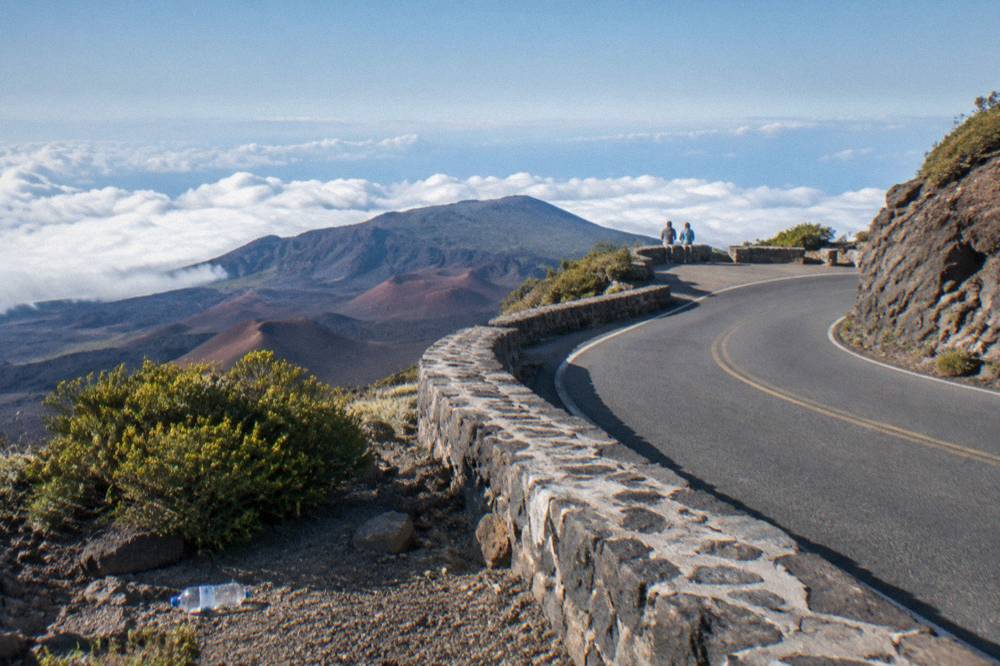
There is also a middle path in the roster: the Mountain Riders daytime tour, which the listing describes as a van ride up with the ride from about 6,500 ft to sea level, going just below the summit rather than to a summit sunrise. It runs 4 hours, from $145 per person, in groups of at most 12, and is rated 4.6 from 97 reviews.
Whichever you choose, the same two rules apply. Weather decides what you see: no tour can promise a visible sunrise, clear skies or stars, and the park notes the summit is regularly wet, windy and below freezing before dawn. And if you were considering riding up yourself instead of taking a tour, know that the NPS does not recommend riding up in the dark, and a cyclist entering before 7 a.m. still deals with the same pre-dawn conditions the tours manage for you. The park's stargazing and bicycling pages, including the official bicycling information page, cover the rest.
If the sunrise-plus-descent combination is the version that appeals, the self-guided sunrise bike tour is the listing most riders compare first, and it carries free cancellation per the listing, so read the booking page for the cutoff before you commit.
What Does It Cost Compared With Just Driving Up?
The cheapest bike descent on the roster is from $146 per person and the most expensive guided sunrise ride is from $318, while driving yourself costs $30 per vehicle for three days plus the $1 sunrise reservation if you enter between 3:00 a.m. and 7:00 a.m. The bike tour buys transport, equipment, a guide or briefing and someone else handling the dark mountain drive; the car buys none of that. For a fuller look at every fee involved, our complete Haleakala Crater cost breakdown shows how the numbers stack up before you commit to either option.
The self-drive math is simple and worth doing honestly. Entrance is $30 per private vehicle, valid three days and covering both the Summit and Kipahulu Districts, per the park's fees page. If you want sunrise in your own car, add the $1 per vehicle reservation, sold only on recreation.gov, released up to 60 days ahead at 7:00 a.m. HST with a portion two days ahead; the park says inventory often sells out within fifteen minutes. The reservation is not refunded for weather, and fee-free days do not waive it.
What the reservation system does not touch is commercial tours. Tours run by NPS-authorized road-based operators, the four companies the park lists on its road-based concessions page, operate under their own park authorization, and a traveler who drives themselves is the one who needs the recreation.gov reservation. That distinction is a quiet part of the value of any summit tour, bike or coach: someone else holds the logistics and drives the dark, unlit, guardrail-light road while you sleep or stare at the stars.
| Way down | Upfront cost | What you handle yourself |
|---|---|---|
| Drive your own vehicle | $30 vehicle entrance, 3 days, plus $1 sunrise reservation 3 to 7 a.m. | Reservations, dark mountain drive, parking, timing |
| Express self-guided bike tour | from $146 per person | Getting to the shop; riding down unguided |
| Sunrise self-guided bike tour | from $273 per person | Getting to the shop; summit sunrise by van, then self-guided ride |
| Sunrise guided bike tour | from $318 per person | Getting to the shop; guided ride down |
| Coach sunrise with breakfast | from $236 per person | Nothing; hotel pickup on the coach listings |
Notice the last row. A coach sunrise tour is sometimes cheaper than a bike sunrise tour, which surprises people. The bike ride commands a premium because the descent is the product, not a byproduct. Whether that premium is worth it is exactly the question this article exists to answer, and the honest answer is that it depends entirely on how much the idea of coasting down a volcano appeals to you. For a fuller budget breakdown, the cost of visiting the crater covers the non-tour expenses.
Do You Regret Not Booking The Guided Version?
Most riders do not, and the review pools suggest both formats satisfy: the self-guided sunrise ride is rated 4.7 from 777 reviews while the guided version is 4.6 from 290. Pay the premium for the guided tour if you want a leader setting pace, someone managing the group on the road, and a harder safety net; save it if you like stopping for photos on your own schedule.
The self-guided format on these tours is not solitary. You follow a route you have been briefed on, with the operator's support structure behind you, and Cindy_K's express review praised exactly that: excellent instructions on getting back to the shop and no pressure to keep up with anyone. Angela_H's sunrise review similarly credited great directions and a guide's entertaining commentary on the way up, even though the ride itself was hers to pace.
Guided buys you company and supervision on the descent. Kurt_B's guided review singled out a guide who made sure everyone was safe, which is the specific thing a nervous rider or a parent of a teenage rider is paying for. The group cap of 24 also keeps the guided ride from feeling like a convoy.
Common Questions About Biking Down Haleakala
Is Biking Down Haleakala Worth It?
For most active travelers, yes. The ride is almost entirely downhill, the format pairs a summit sunrise with a multi-hour coast, and ratings across the roster run from 4.4 to 4.7 with review counts printed on every listing. It is the wrong purchase for anyone uncomfortable cycling on a public road with no bike lane, and the park warns hypothermia is common on the descent.
Can You Still Bike Down Haleakala?
Yes, downhill bike tours operate on the roster today, in self-guided, guided, sunrise and daytime formats. Each listing describes its own route: for example the self-guided sunrise tour is a van to the summit for sunrise, then a ride down from about 6,500 ft at the park boundary, not inside the park. The park permits bicycles on paved roads only, and no bike tours ride trails.
How Long Is The Bike Ride Down Haleakala?
Total tour durations run from 4 hours on the daytime Mountain Riders tour to 8 hours on the guided sunrise ride, with the ride itself a portion of that alongside the van transfer, briefing and sunrise stop. The express self-guided tour lasts 5 hours, and the self-guided sunrise tour 7 hours.
Do You Need The Sunrise Reservation For A Bike Tour?
The reservation applies to non-commercial vehicles entering the Summit District between 3:00 a.m. and 7:00 a.m. Tours run by NPS-authorized commercial operators operate under their own park authorization. A traveler who drives themselves up for sunrise needs the $1 per vehicle recreation.gov reservation on top of the entrance fee; sunset needs none.
Is The Ride Down Haleakala Cold?
Yes, at the start. The summit at 10,023 ft runs roughly 30 F cooler than the coast and is often below freezing before dawn with wind chill. The park states hypothermia is common on the descent, so dress in warm layers you can shed as the road drops toward the coast.
What Is The Cheapest Haleakala Bike Tour?
On this roster the two daytime options are cheapest: the Mountain Riders day tour from $145 per person and the Bike Maui express self-guided tour from $146 per person. The sunrise rides start at $273 per person for the self-guided version and $318 for the guided version.
The short version: the downhill ride is worth it for travelers who genuinely want to bicycle, who can handle a public road, and who would rather descend a volcano than ride down in a van. If that describes you, the self-guided sunrise tour and its guided sibling below are the two listings to compare first.