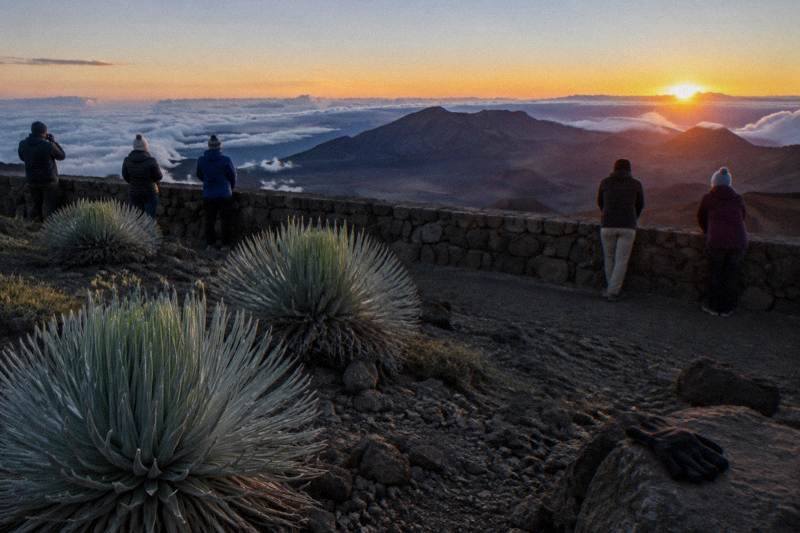
Which Is Better, Mauna Kea Or Haleakala?
A practical comparison of Mauna Kea and Haleakala for visitors deciding between Hawaii's two great summit experiences: height, weather, stargazing, tours, cost and access.
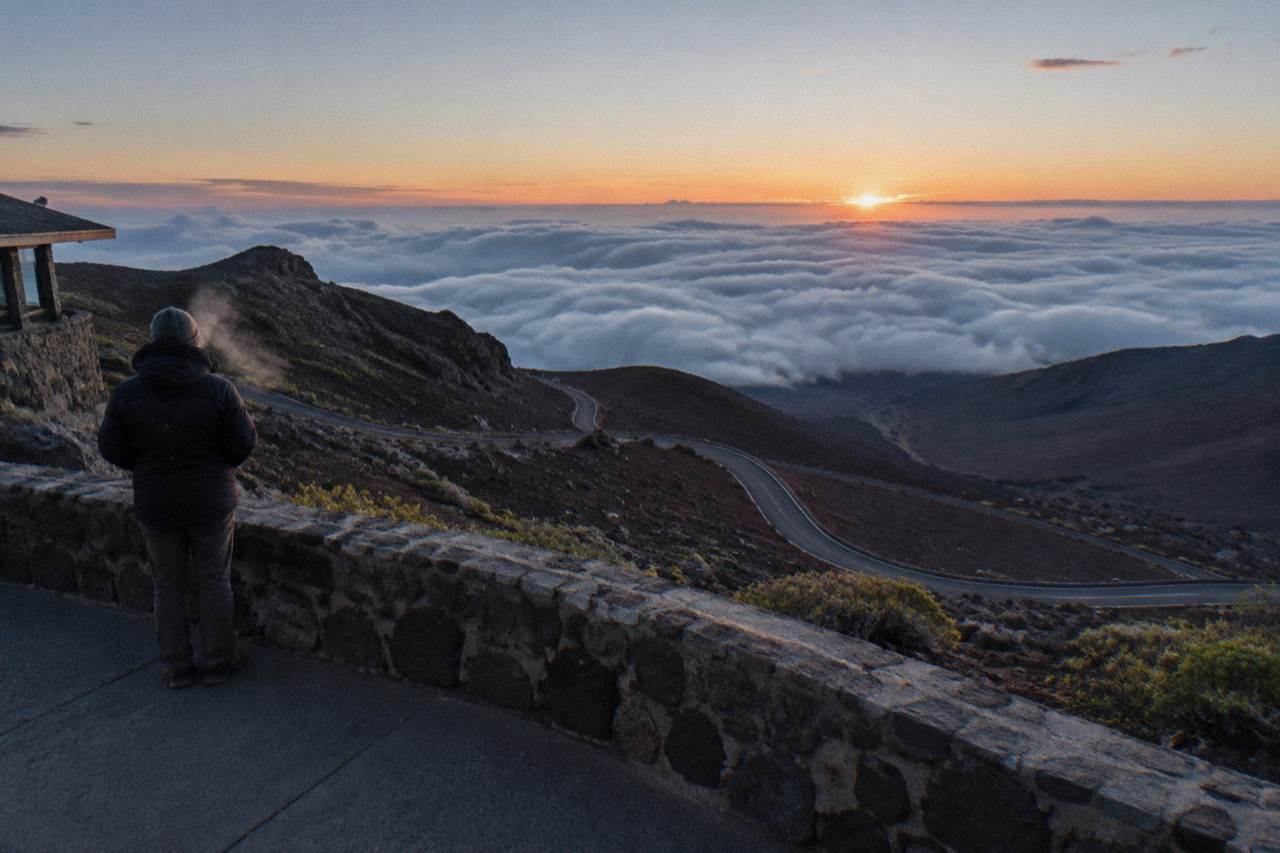
Which Is Better, Mauna Kea Or Haleakala?
Haleakala is better for most visitors because it sits on Maui, needs no inter-island flight, has a coach road to a 10,023 ft sunrise summit, and offers a deep roster of bookable tours from $146 per person. Mauna Kea is better if raw altitude and professional-grade astronomy matter most and you are already spending time on Hawaii Island. Neither guarantees a view; weather decides on both mountains.
That is the short answer, and it is honest about the trade. The longer answer depends on what you are actually buying: a sunrise, a night sky, a hike, or simply the most memorable half day your itinerary has room for. The two volcanoes are frequently lumped together in Hawaii planning threads, and the comparison usually gets reduced to a single number, height. Height matters, but access, cost, clothing and the reservation system matter more to how your morning actually goes.
Mauna Kea sits on Hawaii Island, the Big Island, and it is the taller of the two by a wide margin, home to the observatories that sit above much of the atmosphere. Haleakala rises to 10,023 ft at Pu'u 'Ula'ula (Red Hill) on Maui, according to the National Park Service weather page, and its Summit District begins at 7,000 ft. If you are staying on Maui, Haleakala is a drive, not a flight, and the park's own FAQ puts the drive from Kahului at 45 minutes to 1 hour to reach the Summit District, then about 30 minutes more up the paved road to the top.
For readers planning the Haleakala side of the choice, these three tours cover the three most common reasons people pick one summit over the other:
The rest of this comparison works through the decision the way a planner actually faces it: where each mountain is, what the weather and altitude do to you, which one wins for sunrise, which wins for stars, and what you can realistically book on each.
Where Are The Two Summits And How Hard Are They To Reach?
Mauna Kea is on Hawaii Island and requires getting to that island first; Haleakala is on Maui, roughly 45 minutes to 2 hours from the island's main towns depending on where you sleep. Both have paved summit roads, but only Haleakala's is inside a US national park with a timed sunrise reservation system for private vehicles.
Access is the factor that quietly decides this comparison for most travelers. If your trip is based on Maui, choosing Mauna Kea means an inter-island flight or ferry logistics, a rental car on a second island, and a summit road with its own rules and restrictions. Choosing Haleakala means a pre-dawn drive from Kihei, Lahaina or Kahului on roads the park describes in detail. The NPS FAQ gives the official drive times to the Summit District: Kahului 45 minutes to 1 hour, Kihei 1 to 1.5 hours, Lahaina 1.5 to 2 hours. From the entrance gate near Kula, it is about 30 minutes and 11 miles of paved road to the summit.
One structural difference matters to sunrise planners. Haleakala controls pre-dawn private vehicles with a reservation: every vehicle entering the Summit District between 3:00 a.m. and 7:00 a.m. needs a $1.00 sunrise reservation on top of the entrance fee, booked only through recreation.gov, released up to 60 days ahead at 7:00 a.m. HST with a portion held back until 2 days out, and inventory often sells out within fifteen minutes. A traveler who drives themselves needs that reservation. Tours run by NPS-authorized commercial operators, by contrast, operate under their own park authorization, which is why many visitors hand the pre-dawn logistics to a tour in the first place.
Mauna Kea has its own access rules and altitude guidance on the Hawaii Island side, and the practical takeaway is similar: self-driving a summit in the dark is doable but demanding, and both mountains are safer and easier with someone who drives them for a living. The park notes for Haleakala that there are no streetlights or guard rails on the summit road, that parking lots close when full, and that before dawn it is regularly wet, windy and below freezing.
| Factor | Haleakala (Maui) | Mauna Kea (Hawaii Island) |
|---|---|---|
| Island | Maui | Hawaii Island, the Big Island |
| Summit character | National park, crater and cinder desert | State-managed science reserve with observatories |
| Getting there from your hotel | 45 min to 2 hours by car per the NPS FAQ | Requires being on Hawaii Island first, then a long ascent |
| Pre-dawn private vehicles | $1.00 reservation, 3 to 7 a.m., recreation.gov only | Own access rules apply, check official sources |
| Commercial tours | Large roster, four NPS-authorized road operators | Offered from the Kona and Hilo side |
| Best if you are based on | Maui | The Big Island |
If the Haleakala side of the ledger is pulling at you, the drive is the part a tour takes off your plate. That question of whether to book or drive yourself is worth a look before you commit, and going to Haleakala without a tour is entirely possible when you have the reservation and warm clothes sorted.
Which Mountain Has The Worse Weather And Altitude Problem?
Both are cold, both are high, and neither should be dressed for like the beach. Haleakala runs about 30 F cooler than the coast, with summit readings from below freezing to 65 F, and official guidance puts mornings at 32 F or below; altitude sickness symptoms are listed on the park's own hiking page, and emergency help is at least an hour away.
The numbers for Haleakala come straight from the park. The summit sits at 10,023 ft, temperature drops about 3 F per 1,000 ft of gain, and the top is about 30 F cooler than the coast, per the NPS weather page. Year-round summit temperatures range from below freezing to highs of 50 to 65 F, and wind chill plus damp can make it feel colder. The NPS FAQ adds that summit mornings can hit 32 F or below before warming to 50 to 60 F in the afternoon, with the rainy season running November through March.
Altitude is a real consideration on both peaks. The park's hiking page lists the symptoms to watch for, nausea, headache, dizziness, shortness of breath, and advises that pregnant visitors and people with heart or respiratory conditions consult a doctor. Mauna Kea, being substantially taller, pushes the same physiology harder, and Hawaii Island authorities post their own, stricter guidance for its summit. Neither mountain has gas, food or cell service at the top in the way a town does; for Haleakala the park states plainly that there is no gas or food inside the park and emergency help is at least one hour away.
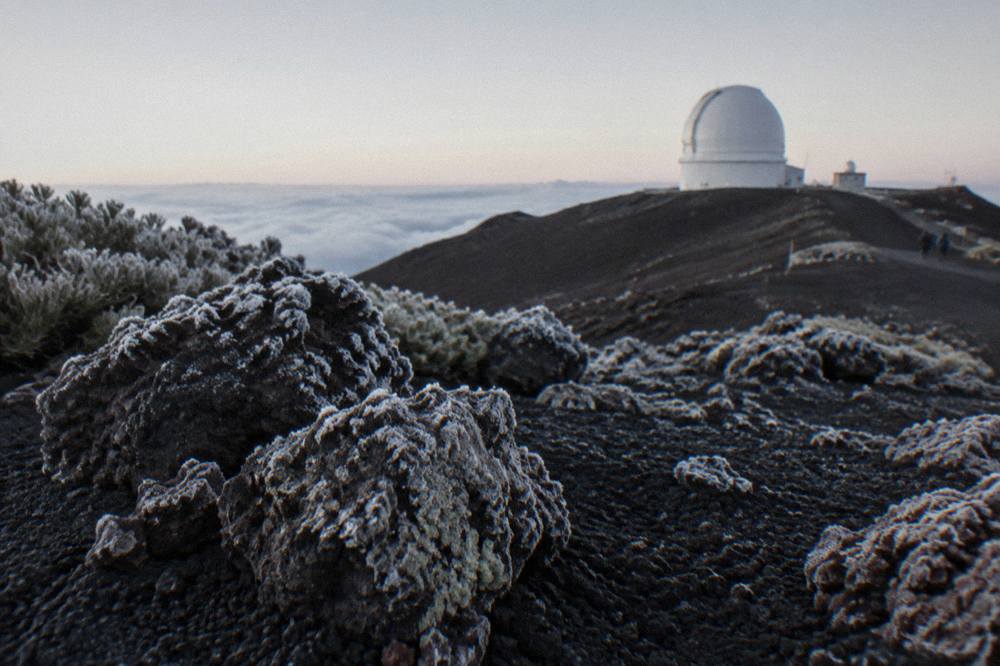
What that means practically: whatever you wear to the beach will not survive either summit before dawn. Layers, a real jacket, long pants and closed shoes are the baseline on Haleakala, and the same logic applies with more force on Mauna Kea. If you want the full clothing breakdown for the Haleakala side, our piece on how to dress for the Haleakala sunrise walks through it in detail.
Is the cold a reason to pick one mountain over the other? Not really. Both will freeze you in shorts. Pick based on island, stars versus sunrise, and how you want to get up there.
Which Summit Wins For Sunrise?
Haleakala wins for sunrise for one simple planning reason: the experience is productized. Five bookable sunrise tours from $236 to $287 per person cover transport, breakfast on most, and park admission per the listing, all run into a crater sunrise that needs no private-vehicle reservation from you. Mauna Kea sunrise viewing exists but is not the mountain's signature, and its access rules are built around the night sky, not the dawn.
The Haleakala sunrise is the thing most Maui visitors are buying when they set a 2:30 a.m. alarm. The roster on this site runs from big coaches to small vans. The Sunrise Coach with Local Breakfast from Polynesian Adventure Tours runs 10 hours, carries up to 72 travellers, rates 4.7 from 2,471 reviews and starts from $254 per person with hotel pickup from select Maui hotels. The 9-Hour Sunrise with Breakfast from Skyline Hawaii, from $236 per person and rated 4.7 from 678 reviews, picks up at your hotel or condo. Valley Isle Excursions runs the Small-Coach Sunrise Breakfast, a 22-seat format rated 4.8 from 705 reviews, from $264 per person. Park admission is included in the listings that say so, and each states free cancellation per listing, so read the booking page for the cutoff.
One guest review on the Skyline-style format captures the family case: "Such a great experience. We went with our 2 kids aged 11 and 8. They loved it too! We were picked up at our resort. Everyone slept most of the way up there until we got close. It was beautiful. Then we had a delicious breakfast and got to walk around the Maui tropical plantation." That quote belongs to the Polynesian Adventure Tours listing, but the shape of the morning, dark drive, summit, breakfast, is what every coach sunrise sells.
Timing matters as much as the ticket. Sunrise at Haleakala shifts across the year; the facts file puts it at 7:04 a.m. in mid-January and 5:44 a.m. in mid-June, a swing of more than an hour and a quarter that changes your alarm time with it.
| Month (15th) | Haleakala Sunrise (HST) | Haleakala Sunset (HST) |
|---|---|---|
| January | 7:04 a.m. | 6:04 p.m. |
| March | 6:35 a.m. | 6:35 p.m. |
| June | 5:44 a.m. | 7:06 p.m. |
| September | 6:12 a.m. | 6:29 p.m. |
| December | 6:53 a.m. | 5:47 p.m. |
Mauna Kea's case for sunrise is thinner in the touring sense: it is an astronomy mountain, most of its infrastructure and its visiting culture point upward at night, and a Big Island sunrise plan is usually something you self-drive rather than book. If sunrise is the point of your early morning, Haleakala is the purpose-built answer, and the 9-hour coach sunrise with breakfast is the format that delivers it with the fewest moving parts.
Which Summit Wins For Stargazing?
Mauna Kea wins on raw astronomical pedigree; its observatories were placed there for a reason, and serious amateur astronomers plan Big Island trips around it. But Haleakala is the far easier dark-sky experience to actually book: a 5.5-hour small-group sunset and astronomy tour runs from $245 per person, sunset needs no reservation, and the park's own stargazing page treats the summit as a first-class night-sky site.
The honest framing is this: Mauna Kea is one of the best astronomical sites on Earth, and nobody disputes it. If you own a telescope and plan trips around new moons, the Big Island is your mountain. But for the other ninety percent of travelers, Haleakala delivers a genuinely dark sky with a fraction of the logistics. The park's stargazing page advises warm clothing, something to sit on, snacks and red lights rather than white, and notes there are no lights or guard rails on the summit road after dark. Sunset viewing needs no reservation, only the entrance fee, which is $30 per private vehicle for 3 days covering both districts.
The bookable option is the Small-Group Sunset Astronomy tour from Amazing Maui Stars: 5 hours 30 minutes, up to 8 travellers, about 4 hours at 10,000 ft per the listing, from $245 per person, rated 5 from 57 reviews, a small pool but a strong one. Free cancellation applies per the listing, and the booking page carries the cutoff. The Twilight Sunset with Dinner format from Polynesian Adventure Tours, from $257 per person and rated 4.4 from 263 reviews, bundles the evening with a meal for up to 24 travellers. A guest on that dinner tour put the sunset-versus-sunrise question bluntly: "Sunset is 1000xs better than sunrise, too!"
If your heart is set on the night sky specifically, timing beats mountain choice. Our longer treatment of the best time to stargaze at Haleakala covers the moon-and-season math, and the question of whether it justifies the trip gets a full hearing in whether stargazing at Haleakala is worth it.
Should you take a tour for the stars or drive up yourself after dinner? On the Haleakala side, the case for a tour is warmth, a guide who knows the sky, and not descending an unlit mountain road at 10 p.m. after a long day. The case against is the price of a rental car you already have. Both are defensible; the tour simply removes the tired driver from the equation.
What Can You Actually Book On Each Mountain?
On Haleakala, a lot: 21 verified live tours across sunrise coaches, sunset and stargazing vans, downhill bike rides, crater hikes, private tours, a helicopter overflight and island combos, priced from $146 per person up to four figures for private formats. On Mauna Kea, the touring market is thinner and skewed to stargazing summit trips from the Kona and Hilo side, and this site's verified roster covers only the Haleakala side, so compare with that limitation in mind.
This is where the comparison stops being abstract. On Maui, the depth of the roster means you can match a tour to your travel style rather than fitting your style to the one tour available. The Sunrise Coach with Local Breakfast suits families who want the big-vehicle, no-decisions morning. The Small-Coach Sunrise Breakfast suits travelers who would rather share a 22-seat van than a 72-seat coach. The self-guided sunrise bike ride, from $273 per person and rated 4.7 from 777 reviews, van-rides you to the summit for sunrise and then puts you on a bike below the park boundary for the ride down from about 6,500 ft, per the listing's own description of where the ride goes.
The Majestic Sunrise Tour earns its place in that paragraph on its review pool alone: 4.8 from 705 reviews is the strongest rating-to-count balance in the sunrise category, and the 8-hour, 22-traveller format splits the difference between the big coach and a private van. One guest review nails the format's discipline: "Jeff was a super knowledgeable tour guide. Everything was super tight. From the pickup time. To the timing of breakfast and the drop off. Very well run. And of course the experience is one I’ll never forget. Dress warmer than you think. It’s freezing on top of the mountain!"
Beyond sunrise, the Crater Hike with Meal from Hike Maui, from $208 per person and rated 4.8 from 74 reviews, takes you down into the crater itself on foot, a category Mauna Kea simply does not offer in a national park framing. The Hana Rainforest and Haleakala Crater Helicopter Tour from Air Maui, from $368 per person and rated 4.7 from 155 reviews, flies you over the crater in 45 minutes, a format that exists precisely because the crater is enormous from the air. A guest on that flight: "The ride was short (45 min) but didn’t really feel that way - we saw a lot! Loved this perspective of the island - it’s much bigger than we thought."
On Mauna Kea, the bookable product is dominated by sunset-plus-stars summit tours and visitor station visits, and the choice set is narrower. That is not a knock on the mountain; it is a reflection of what each place is for. Haleakala is a national park built around a visitor experience. Mauna Kea is a science reserve that permits visitors.
What Does Each Trip Cost To Do Properly?
The Haleakala self-drive costs $30 per vehicle for 3 days plus the $1.00 sunrise reservation before 7 a.m., while booked tours run from $145 to $318 for bike and sunrise formats, $208 to $368 for hikes and helicopter, and $359 to $1,990 for private formats. Mauna Kea costs sit outside this site's verified roster, so treat any Big Island figure as unverified until you see the listing.
For the Haleakala side, every number above comes from the verified roster or the park's fees page. The $30 private vehicle pass covers both the Summit and Kipahulu Districts for 3 days, a motorcycle is $25, a person on foot or bicycle pays $15, and the annual park pass is $55. Fee-free days, which apply to US citizens and residents only, do not waive the sunrise reservation or 3 to 7 a.m. access. The park takes credit and debit only, no cash.
| Haleakala option | From (per person) | Format | Rating and count |
|---|---|---|---|
| Express self-guided bike | $146 | 5-hour daytime ride | 4.7 from 273 reviews |
| Crater hike with meal | $208 | 7-hour small-group hike | 4.8 from 74 reviews |
| Sunrise with breakfast (9-hour) | $236 | Guided vehicle, hotel pickup | 4.7 from 678 reviews |
| Small-group sunset astronomy | $245 | 5.5-hour, up to 8 travellers | 5 from 57 reviews |
| Sunrise coach with breakfast | $254 | 10-hour coach, up to 72 | 4.7 from 2,471 reviews |
| Private summit stroll | $359 | 5-hour private tour | 5 from 69 reviews |
Compare that to the self-drive: $30 split across a carful of four is trivially cheap, and it is the right call for confident drivers who secure the reservation. The math favors a tour when you price in the 2 a.m. wake-up, the dark unlit descent, and the fact that a driver-guide does all of it while you sleep in the back. The sunrise reservation itself, $1.00, is nearly free but brutally competitive, and if you miss the fifteen-minute window on recreation.gov, a tour becomes not the lazy option but the only option for that date.
This is the publisher's honest position, and it is the same one running through Haleakala National Park Tours across every guide on this site: the self-drive is a real, respectable plan when the reservation lands, and the tour is what you buy when it does not, or when the long pre-dawn drive sounds like the wrong kind of adventure.
So Which One Should You Choose?
Choose Haleakala if you are on Maui, want a bookable sunrise with breakfast and hotel pickup, want to hike into a crater, or want the easier dark-sky evening; choose Mauna Kea if you are already on the Big Island and astronomy is the entire point of the trip. If both islands are on your itinerary, do Haleakala for sunrise and Mauna Kea for stars, in that order, because that is what each mountain does best.
The tiebreakers, in plain terms. First, geography: most readers asking this question are on Maui or about to be, and no summit on another island beats the one your rental car can reach before dawn. Second, the product: Haleakala has the deeper, more varied roster, from the $146 express bike ride to the private open-air jeep combo at $1,990 per group, while Mauna Kea's market is narrower. Third, the experience itself: Haleakala's crater sunrise, watching light fill a cinder desert from 10,023 ft, is a landscape event; Mauna Kea's summit night is a sky event.
For the classic Maui morning, the 9-Hour Sunrise with Breakfast remains the reference format: hotel or condo pickup, breakfast included, park admission included per the listing, 4.7 from 678 reviews, from $236 per person, with free cancellation per the listing. For the evening version of the same argument, the small-group astronomy tour is the one to beat. And for the travelers who find the crater itself the point, the guided hike with meal is the deepest way in.
The self-guided sunrise bike ride is the wildcard worth naming in a verdict because it fuses two formats: the van up for the summit sunrise, then a self-guided ride down from about 6,500 ft at the park boundary, per the listing. Rated 4.7 from 777 reviews and from $273 per person, it suits confident riders who want the sunrise without spending the whole day on a bus. A guest who rode it despite clouds still called the guide and equipment first-rate and appreciated the outerwear the operator offers.
Whatever you choose, check the park's current conditions page before you go; weather closes plans on both mountains, and neither one owes you a clear sky.
Wondering whether the reference sunrise format fits your budget and your morning?
If you have already decided on the Maui side, the three formats below cover sunrise, stars and the crater hike in one glance.
Common Questions About Mauna Kea Or Haleakala
Which Is Better, Mauna Kea Or Haleakala?
Haleakala is better for most Maui-based visitors thanks to easier access, a large tour roster and the crater sunrise; Mauna Kea is better for serious stargazing if you are already on Hawaii Island. Both are cold, high and weather-dependent, so pick based on your island and whether dawn or darkness is the goal.
Can you see stars from Haleakala as well as from Mauna Kea?
Mauna Kea's observatories give it the professional edge, but Haleakala's summit is a genuinely dark site with bookable sunset and astronomy tours, no reservation needed after 7 a.m., and official park guidance treating it as a prime stargazing location.
Do you need a reservation for Haleakala?
Only for sunrise. Each private vehicle entering the Summit District between 3:00 a.m. and 7:00 a.m. needs a $1.00 reservation from recreation.gov, on top of the $30 entrance fee. Sunset and stargazing need no reservation, and authorized commercial tours operate under their own park authorization.
Which mountain is colder?
Both are far colder than the coast. Haleakala runs about 30 F cooler than sea level, with mornings commonly at 32 F or below; Mauna Kea, being much taller, is colder still. Dress in warm layers for either summit, any month of the year.
Is Haleakala sunrise worth it compared with Mauna Kea sunrise?
For most travelers, yes, because Haleakala sunrise is the mountain's signature product with multiple bookable tours from $236 per person including breakfast and hotel pickup, while Mauna Kea's touring culture centers on the night sky rather than dawn.