Haleakala National Park Entrance Fee, Passes And Tickets
Haleakala National Park charges $30 per private vehicle for three days of entry, plus a separate $1 sunrise reservation if you drive yourself up before 7 a.m. This guide breaks down every fee, every pass and what an authorized tour covers instead.
Short answer
Entry costs $30 per private vehicle, valid 3 days and covering both the Summit and Kipahulu Districts, $25 per motorcycle or $15 per person on foot or bicycle. A $1 per-vehicle reservation on recreation.gov is also required to enter the Summit District between 3:00 a.m. and 7:00 a.m. Authorized commercial tours operate under their own park authorization.
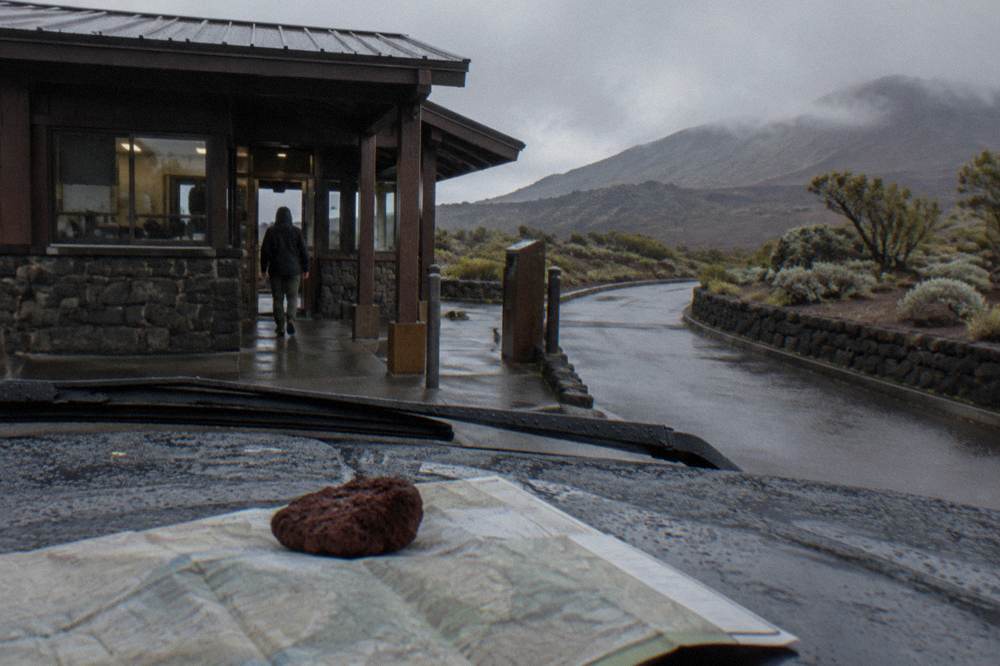
Haleakala National Park is not a free lookout on the way up from the beach. It is a paid unit of the national park system, and it runs two separate ticket systems at once: an entrance fee that applies to everyone, and a sunrise reservation that applies only to private vehicles driving the summit road between 3:00 a.m. and 7:00 a.m. Confusing the two is the single most common planning mistake on this mountain, and it costs people sunrises.
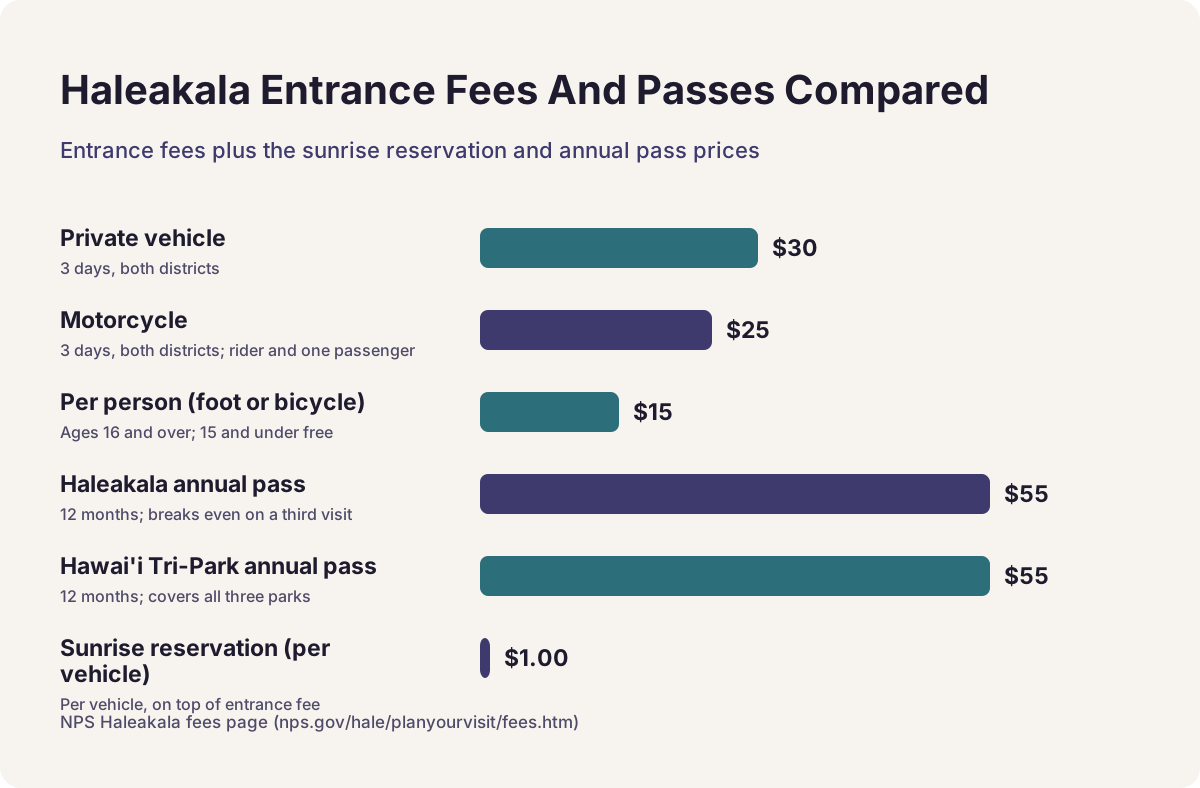
The park's official fees page sets entrance at $30 per private vehicle, valid for three days and covering both the Summit District and the Kipahulu District past Hana. Motorcycles pay $25, and anyone entering on foot or by bicycle pays $15 per person aged 16 and over. The sunrise reservation is a separate $1.00 per vehicle, sold only through recreation.gov, and it often sells out within fifteen minutes of release. This guide lays out every fee, every pass option, and how the math compares with booking an authorized tour that builds the visit into one price.
How Much Does It Cost To Enter Haleakala National Park?
Entry to Haleakala National Park costs $30 per private vehicle, valid for three days and covering both districts, $25 per motorcycle, or $15 per person entering on foot or by bicycle aged 16 and over. Children 15 and under enter free. The park accepts credit and debit only, no cash, and there is no separate ticket you buy in advance for general daytime entry: you pay at the entrance station.
Those are the printed rates on the NPS fees page, and they have held steady. The $30 vehicle fee is per vehicle, not per person, so a car of four people pays $30 total for three days of access to both the summit and the Kipahulu coast. That makes Haleakala one of the cheaper big-park entries in the system relative to what you see for it, but only if you actually use the three-day window. A visitor who drives up for one sunrise and leaves has paid the same $30 as someone who returned twice.
The per-person rate matters for two groups: cyclists and pedestrians. A cyclist entering the park needs the $15 per-person pass, which the park's own bicycling page treats as the standard entry for anyone riding the crater road. Pedestrians walking in through an entrance station pay the same $15. If you are comparing a self-guided bike descent with a tour, that $15 is a real line item the tour marketing rarely mentions, though several tour listings on this site state that park admission is included in their price.
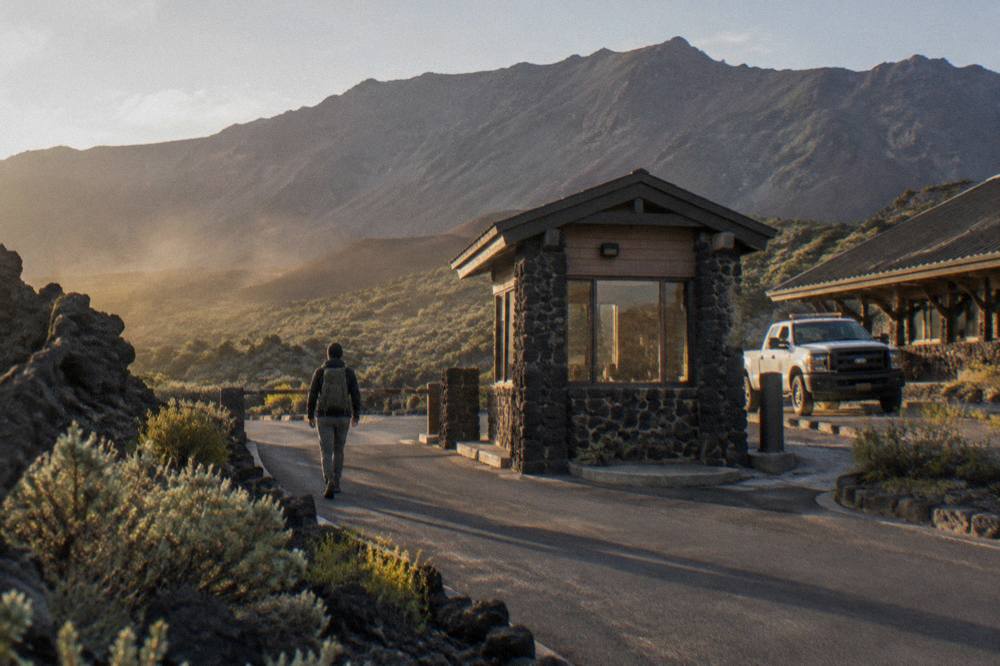
Here is the full fee schedule as the park prints it:
| Entry type | Cost | Validity | Notes |
|---|---|---|---|
| Private vehicle | $30 | 3 days, both districts | Most common option for summit drives |
| Motorcycle | $25 | 3 days, both districts | Rider and one passenger per motorcycle |
| Per person (foot or bicycle) | $15 | 3 days, both districts | Ages 16 and over; 15 and under free |
| Haleakala annual pass | $55 | 12 months | Worth it on a third visit |
| Hawai'i Tri-Park annual pass | $55 | 12 months | Haleakala, Hawai'i Volcanoes and Pu'uhonua o Honaunau; US citizens and residents |
One quirk worth knowing: fee-free days exist, but the park states plainly that fee-free days do not waive the sunrise reservation or the 3:00 to 7:00 a.m. access rule. Free days also now apply to US citizens and residents only. A free day can save you the $30, never the $1 scramble.
What Is The $1 Sunrise Reservation And When Do You Need It?
Every non-commercial vehicle entering the Summit District between 3:00 a.m. and 7:00 a.m., every day of the year, needs a $1.00 sunrise reservation on top of the entrance fee. Reservations are sold only on recreation.gov, released up to 60 days ahead at 7:00 a.m. HST with a second portion released two days ahead, and inventory often sells out within fifteen minutes.
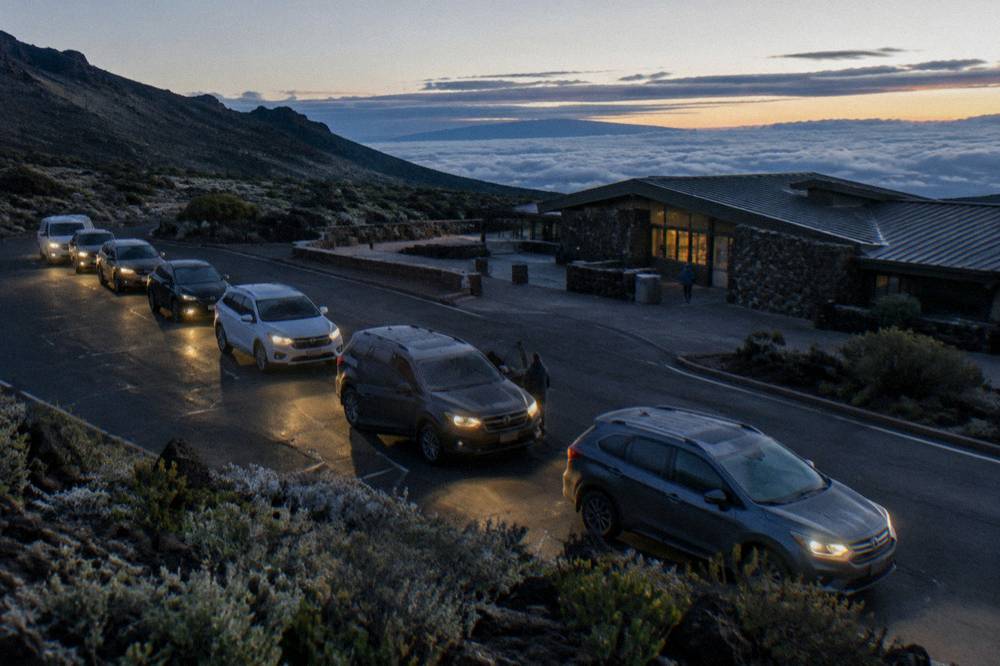
The system exists because about 150 vehicles fit across the four sunrise viewing areas, and demand far exceeds that on most mornings. The reservation applies to non-commercial vehicles parking in the four highest-elevation lots: Pu'u 'Ula'ula (Red Hill) at the 10,023 ft summit, Haleakala Visitor Center at 9,740 ft, Kalahaku Overlook at 9,324 ft and Leleiwi Overlook at 8,840 ft. You book the day, you show photo ID and the confirmation at the entrance station, and there is no phone or in-person fallback. If you arrive at 6:15 a.m. without one, you wait at the gate until 7:00 a.m., and by then the sun is up.
The reservation is $1.00 per vehicle, non-refundable, valid only for the day reserved, and limited to one per customer per three-day period. It is not refunded or exchanged for weather, which matters because the summit regularly sits inside a cloud layer and the park promises nothing about what you will see. Two details from the NPS sunrise reservations FAQ are worth repeating: no cash is accepted anywhere in the fee system, and the reservation never replaces the entrance fee, it sits on top of it.
For people weighing whether the ticket fight is worth it, the deeper comparison lives in our guide to how sunrise reservations actually work, and the budget angle is covered in the piece on free things to do at Haleakala, where the sunset option, which needs no reservation at all, gets its own treatment.
The alternative to the 7:00 a.m. alarm-clock release on recreation.gov is an authorized commercial tour. Tours run by NPS-authorized road-based operators, and the NPS page lists four of them: Haleakala Ecotours, Valley Isle Excursions, Skyline Eco-Adventures and Polynesian Adventure Tours, operating under their own park authorization. A traveler who drives themselves needs the recreation.gov reservation; a traveler on an authorized tour does not book one, because the tour operates under that authorization. That is the honest way to state it, and no listing on this site claims more.
If that distinction is what decides your morning, these are three listings that sit at different price points and formats:
Which Passes Are Accepted And When Is An Annual Pass Worth It?
Haleakala accepts the America the Beautiful pass series, including the $80 resident annual, the $250 non-resident annual, the $20 senior annual, the $80 senior lifetime, and the free military, access and 4th-grade passes, all covering the per-vehicle or per-person entrance fee. None of them waives the $1 sunrise reservation. The park's own $55 annual pass costs less than two $30 vehicle entries within a year.
The math is simple. A $55 Haleakala annual pass or the $55 Hawai'i Tri-Park pass pays for itself on the third vehicle entry inside twelve months. If your trip includes Hawai'i Volcanoes National Park on the Big Island or Pu'uhonua o Honaunau, the Tri-Park pass covers all three parks for one $55 price, which is one of the better deals in the system for island-hopping travelers. Note the Tri-Park restriction: the park prints it as available to US citizens and residents.
America the Beautiful passes cover the entrance fee only. The sunrise reservation remains $1.00 and must still be booked on recreation.gov even with a lifetime senior pass in the glovebox. This catches retirees every week: the pass gets the car through the gate free, but at 4:00 a.m. the ranger at the summit road still asks for the reservation confirmation. Fee-free days have the same limitation, and since 2026 they apply to US citizens and residents only.
| Pass | Cost | Covers entrance? | Covers sunrise reservation? |
|---|---|---|---|
| None, pay at gate | $30 vehicle | Yes, that is the fee | No, $1 on recreation.gov |
| Haleakala annual | $55 | Yes, 12 months | No |
| Hawai'i Tri-Park annual | $55 | Yes, three Hawai'i parks | No |
| America the Beautiful resident annual | $80 | Yes | No |
| America the Beautiful non-resident annual | $250 | Yes | No |
| Senior lifetime | $80 | Yes | No |
| Military, access, 4th grade | Free | Yes | No |
The pattern in the last column never changes. There is exactly one way to get a sunrise reservation, and every traveler booking it faces the same 7:00 a.m. HST release window on recreation.gov.
How Do Tour Prices Compare With Paying Fees Yourself?
A self-drive sunrise costs $30 vehicle entry plus the $1 reservation, roughly $31 for a car of four, while listed tours run from $146 per person for a 5-hour express bike experience to $368 for a 45-minute helicopter flight, with most sunrise van and coach tours between $236 and $287 per person. The gap buys transport, a guide, and for most listings, park admission and a meal stated in the inclusions.
That gap looks enormous until you price the whole DIY morning honestly. The fees are $31, but the drive to the summit entrance is 45 minutes to 1 hour from Kahului and 1.5 to 2 hours from Lahaina, on a dark road with no streetlights and no guard rails in places, and the park itself warns that emergency help is at least an hour away. Add the 2:30 a.m. wake-up, the parking-lot lottery if you arrive late, and the fact that a family of four on a coach tour pays one price that includes pickup, breakfast and the summit stop, and the comparison stops being purely arithmetic.
The roster on this site makes the spread concrete. The nine-hour sunrise tour with breakfast from Skyline Hawaii runs from $236 per person, rated 4.7 from 678 reviews, with hotel or condo pickup and admission included. The coach option from Polynesian Adventure Tours runs from $254, rated 4.7 from 2,471 reviews, carrying up to 72 travellers with breakfast and a stop at Maui Tropical Plantation after the summit. A guest review on that listing describes the shape of the day: "We were picked up at our resort. Everyone slept most of the way up there until we got close. It was beautiful. Then we had a delicious breakfast."
At the smaller end, the small-coach Majestic sunrise tour from Valley Isle Excursions takes up to 22 travellers from $264, rated 4.8 from 705 reviews, and a review on that listing captures the planning value: "Dress warmer than you think. It's freezing on top of the mountain!" That is a fact the park confirms in its own numbers, with the summit running about 30 F cooler than the coast and often below freezing before dawn. Our guide to Haleakala summit weather by month has the full picture.
Here is the fee-versus-tour comparison across representative listings from the roster:
| Option | From (per person) | Duration | What the listing states is included |
|---|---|---|---|
| Self-drive, per vehicle | $30 + $1 reservation | Your own timing | Entry only; you drive the dark road |
| 9-Hour Sunrise with Breakfast | $236 | 9 hours | Hotel or condo pickup, park admission, breakfast |
| Sunrise Coach, Local Breakfast | $254 | 10 hours | Hotel pickup, crater admission, breakfast |
| Small-Coach Sunrise Breakfast | $264 | 8 hours | South and West Maui pickup, admission, breakfast |
| Twilight Sunset with Dinner | $257 | 7 hours | Hotel pickup, park entry, dinner |
| 5-Hour Express Self-Guided Bike | $146 | 5 hours | Van transfer from shop; self-guided ride |
No tour listing on this site states that the $1 sunrise vehicle reservation is included, and this site never claims it is. What the listings state is park admission, transport, and in most cases a meal. The reservation question simply does not arise for authorized tours the way it does for private cars.
Do Bicycles, Motorcycles And Walkers Pay Differently?
Yes. A cyclist pays $15 per person, ages 16 and over, as the standard per-person entrance, and the park permits bicycles on paved roads only, with no bike lane and no trail riding. A motorcyclist pays $25. A cyclist may enter before 7 a.m. without a sunrise reservation, but the park does not recommend riding up in the dark, calling it a 10-mile climb of several thousand feet.
Those are the park's own statements from its bicycling and FAQ pages, and they define the honest budget path for riders. The park also warns that hypothermia is common on the descent, which is not marketing copy but a safety note tied to how fast the temperature drops with elevation. Anyone weighing the bike option should read our longer treatment in the Haleakala bike tours guide, which covers the listed downhill options.
On the roster, the self-guided express bike tour from Bike Maui and Haleakala EcoTours runs from $146 per person for 5 hours, rated 4.7 from 273 reviews, with the listing describing a van transfer from the shop to the national park area and a ride down the crater road. A review on that listing speaks to the format's appeal: "Loved the non-pressure of a self-guided trip. Received great instructions of how to get back to bike shop."
For riders who want the summit sunrise too, the self-guided sunrise bike tour from the same operator runs from $273, rated 4.7 from 777 reviews, with the listing describing a van ride to the summit for sunrise before the self-guided ride down from about 6,500 ft at the park boundary. That tour's own review file includes a guest who found value even in cloud: "We had a great time despite socked in with clouds for the sunrise. The guide gave great directions, entertaining and the equipment was in great condition."
What Does The Kipahulu District Cost To Visit?
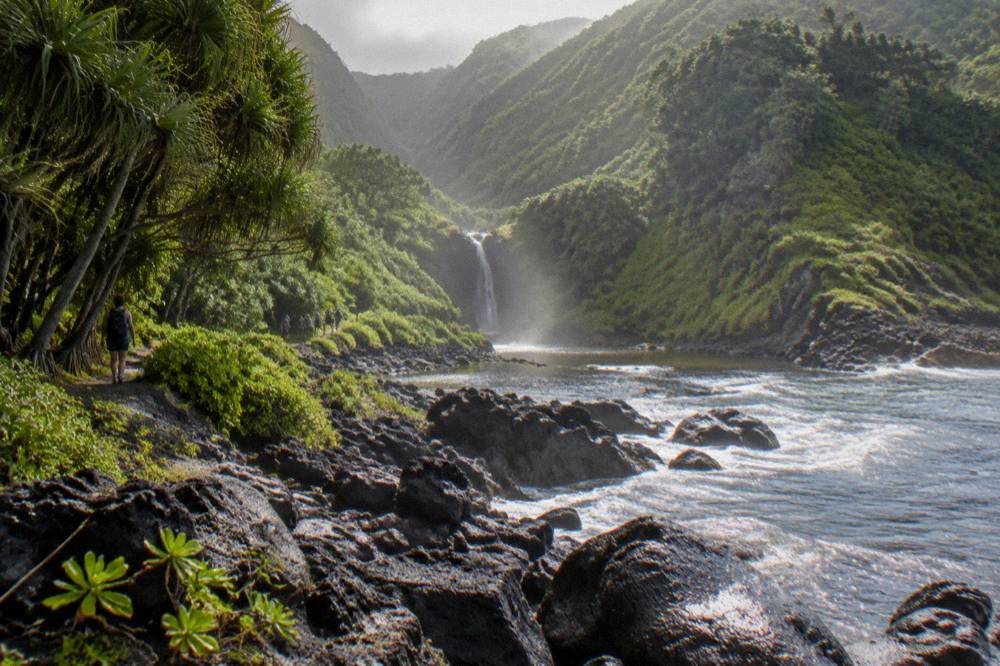
Kipahulu, the coastal district 12 miles past Hana, is covered by the same $30 three-day vehicle fee or the same $15 per-person rate, with no reservation system of any kind. It is a 2.5 to 3-hour drive from Kahului and 3 to 4 hours from Lahaina, the park states there is no gas or food inside either district, and emergency help is at least an hour away.
This is where the three-day validity earns its keep. A single $30 vehicle entry covers a summit sunrise on day one and the Pipiwai Trail through the bamboo forest to the Waimoku Falls viewing area on day two or three, a 4-mile round trip with 800 ft of gain in a district that averages 187 inches of rain a year. The Pools of 'Ohe'o are closed to entry and swimming as a standing official statement, but they can be viewed from the Kuloa Point Trail. Our Pipiwai Trail and Kipahulu guide covers the full day plan.
The budget reality of Kipahulu is the drive, not the fee. Fuel and a full day on the Hana Highway dwarf the $30 entry, which is why some travelers fold both districts into one long day or split them across the pass's three-day window. Others book a combo listing such as the Road to Hana Halfway and Haleakala National Park small-group tour, from $259 per person, rated 4.8 from 41 reviews, which the listing describes as roughly two hours in the park plus the Hana halfway point with hotel pickup offered. The math there is a wash against a rental car plus fuel plus parking stress, and the decision is really about who drives.
Conditions change, weather closes things, and the standing source for the current state of both districts is the park's own current conditions page, which the park asks visitors to check before any trip.
Is A Tour Or A Self-Drive Ticket The Better Buy?
Self-drive wins if you can grab the $1 reservation the hour it releases and handle a dark mountain road, since $31 per vehicle through the park's own system is the cheaper buy. A tour from $145 to $368 per person is smarter for families, anyone staying far from Kahului, or travelers unwilling to gamble on a fifteen-minute sell-out, converting the fee fight into a booked seat with pickup, and on most listings, admission and a meal.
The honest framing is that these solve different problems. The $31 self-drive assumes you win the reservation, wake at 2 a.m., and trust the road. The tour assumes you would rather sleep in a coach while a professional who drives it weekly handles the mountain, the timing and the parking. The roster's review pools show both paths working: the big coach's 2,471 reviews at 4.7 and the small eight-person sunset astronomy tour from Amazing Maui Stars at 5 from 57 reviews represent very different products at very different densities.
For sunset, the calculus shifts sharply toward self-drive, because sunset viewing needs no reservation at all, just the entrance fee. Our comparison piece on sunrise versus sunset at Haleakala walks that trade in full. But even sunset has a tour case: one guest on the twilight dinner tour wrote, "Glad we did the tour bus and didn't drive ourselves. It got really busy and it's a long drive! Sunset is 1000xs better than sunrise, too!"
For hikers, the crater hiking experience from Hike Maui runs from $208 per person for 7 hours, rated 4.8 from 74 reviews, with the listing covering a Sliding Sands area hike and a meal, a product that a self-drive cannot replicate since it requires guiding inside the crater. And for the aerial budget, the 45-minute Hana rainforest and crater helicopter flight from Air Maui runs from $368, rated 4.7 from 155 reviews, a category where the entrance fee question disappears entirely: the listing is a flyover, not a park entry.
Common Questions About Haleakala Fees And Passes
How much does it cost to enter Haleakala National Park?
Entry costs $30 per private vehicle, valid 3 days and covering both the Summit and Kipahulu Districts, $25 per motorcycle, or $15 per person entering on foot or by bicycle aged 16 and over. Children 15 and under enter free. The park accepts credit and debit only.
Does the $30 entrance fee include the sunrise reservation?
No. The sunrise reservation is a separate $1.00 per vehicle, sold only on recreation.gov, required for non-commercial vehicles entering the Summit District between 3:00 a.m. and 7:00 a.m. every day. It sits on top of the entrance fee and is not waived by any pass or fee-free day.
Do America the Beautiful passes work at Haleakala?
Yes, all passes in the series cover the entrance fee, including the resident annual at $80, the non-resident annual at $250, the senior lifetime at $80 and the free military, access and 4th-grade passes. None of them waives the $1 sunrise reservation.
Do I need a ticket if I book a tour?
A traveler who drives themselves needs the recreation.gov reservation. Tours run by NPS-authorized commercial operators operate under their own park authorization, so you do not book a vehicle reservation yourself. Check the tour's listing for what its price states is included, such as park admission, transport and meals.
When is the Haleakala annual pass worth it?
The $55 Haleakala annual pass, and the $55 Hawai'i Tri-Park pass that also covers Hawai'i Volcanoes and Pu'uhonua o Honaunau, both break even on a third vehicle entry within twelve months. The Tri-Park pass is printed as available to US citizens and residents.
Is Kipahulu included in the entrance fee?
Yes, the same $30 three-day vehicle fee, or $15 per-person rate, covers the Kipahulu District 12 miles past Hana, with no reservation system there. The park states there is no gas or food in either district and emergency help is at least an hour away.
The fee system at Haleakala rewards travelers who read the fine print once: pay $30, keep the three-day window in mind, treat the $1 sunrise ticket as its own 7:00 a.m. HST mission on recreation.gov, or hand the whole morning to an authorized operator and let the park authorization system work for you. More planning help lives across Haleakala National Park Tours, including the category hubs for every tour type on the mountain.