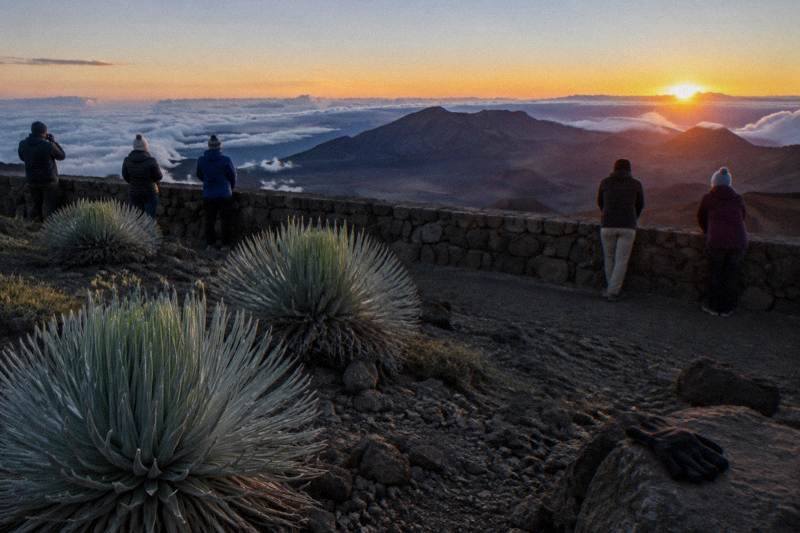
Free And Budget Things To Do At Haleakala
Haleakala rewards budget travelers who plan around the entrance fee, the sunrise reservation rule and the free ranger-side activities the park itself offers.
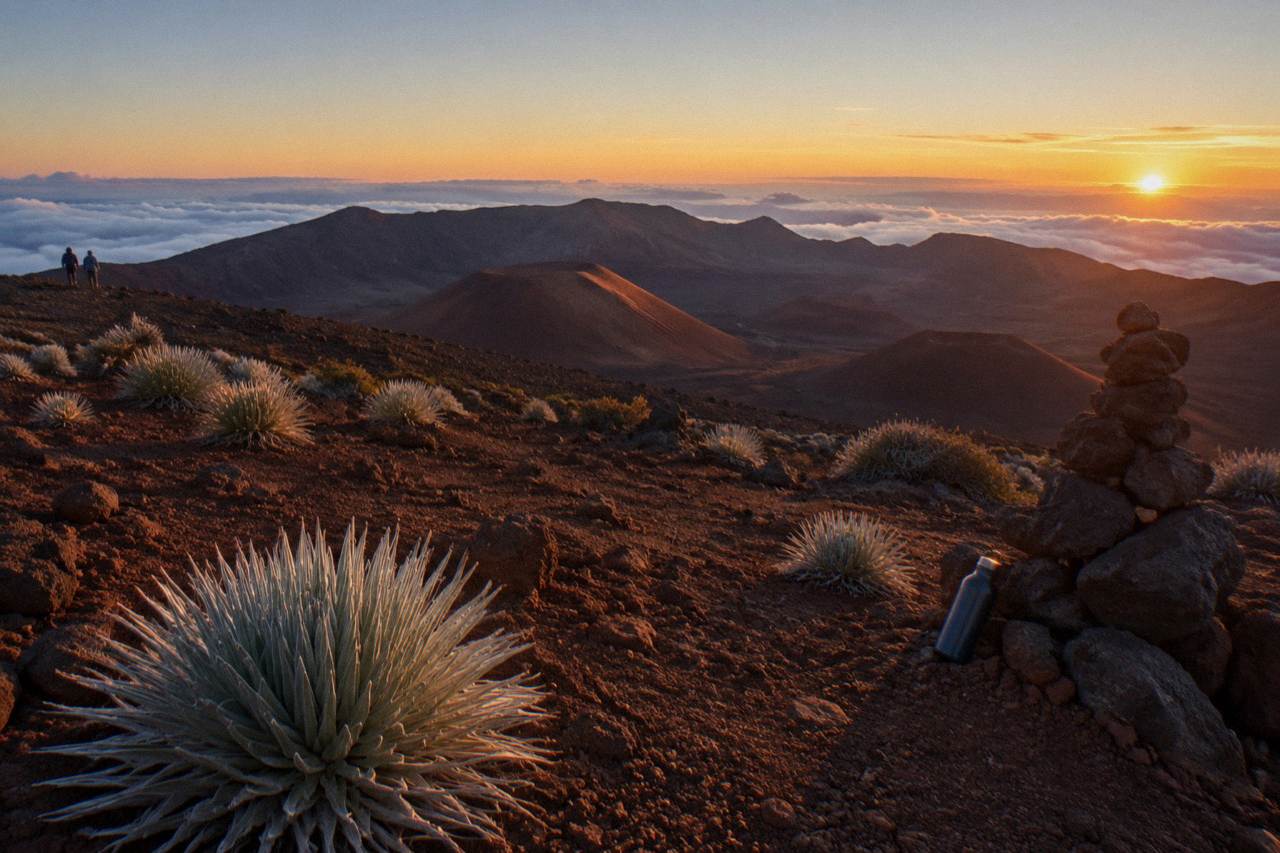
Short answer
Entry costs $30 per private vehicle for 3 days, so Haleakala is not literally free, but once inside nearly everything is: hiking trails like Hosmer Grove and the Sliding Sands first overlook, sunset viewing with no reservation, and summit stargazing. Fee-free days in 2026 apply to US citizens and residents only and never waive the $1 sunrise reservation.
The most important budget fact about this park is printed on the National Park Service fees page: a private vehicle pays $30, valid for 3 days and covering both the Summit and Kipahulu Districts, and there is no way around it outside designated fee-free days. What surprises many first-time visitors is how much is included once you are through the gate. Every trail, every overlook, sunset from the summit and the night sky above it cost nothing further. The park is open 24 hours a day, and only the 3:00 a.m. to 7:00 a.m. sunrise window carries the extra $1 per vehicle reservation, a rule explained in detail on the Haleakala National Park Tours homepage and our sunrise reservations guide.
This page walks through what genuinely costs nothing, what the entrance fee covers, and where a paid tour, such as the nine-hour sunrise coach with breakfast, earns its price. Fees and inclusions on this page follow official park information and details published by the tour operators.
What Does It Actually Cost To Enter Haleakala?
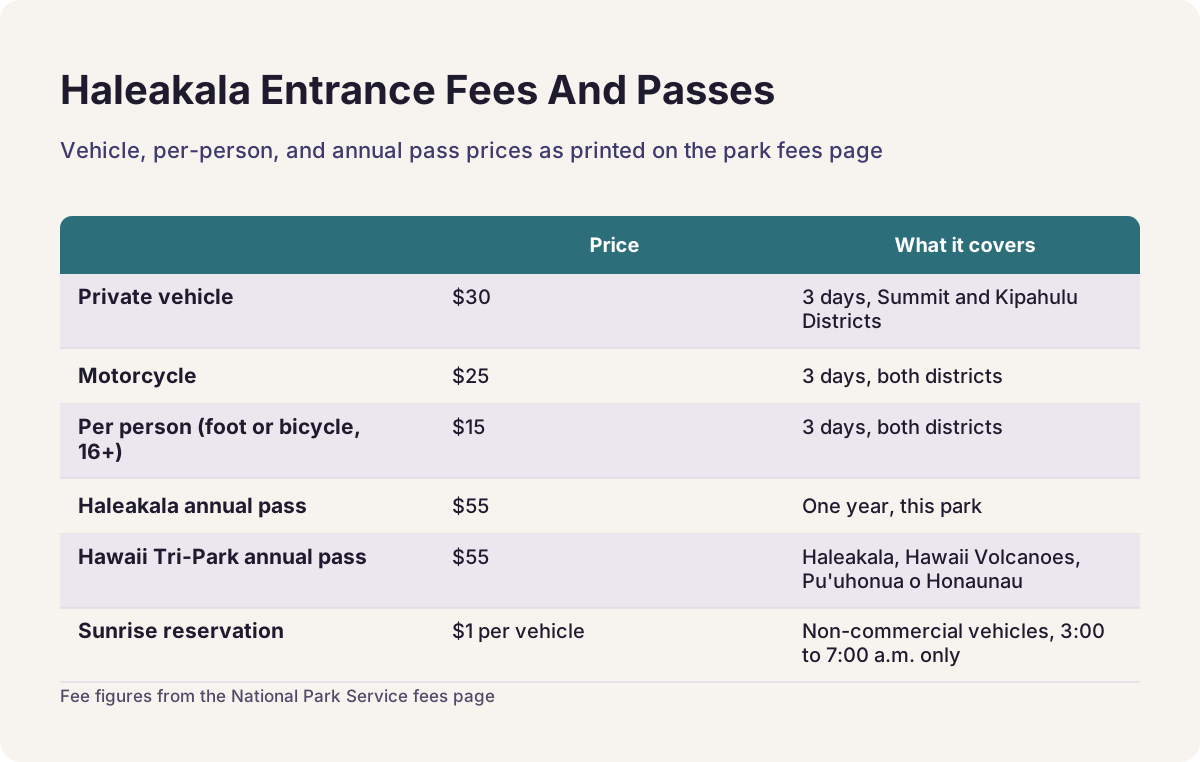
The entrance fee is $30 per private vehicle, valid for 3 days and both districts, with $25 for a motorcycle and $15 per person on foot or bicycle aged 16 and over; the Haleakala annual pass is $55, and America the Beautiful passes are accepted as printed on the fees page. Entrance is only waived on fee-free days, which in 2026 apply to US citizens and residents only, and those days do not waive the sunrise reservation.
That per-person figure matters for one specific group: cyclists. The park's bicycling page states a cyclist needs the $15 per-person pass, and bicycling is permitted on paved roads only, with no bike lane and no trail access. For everyone arriving by car, the $30 covers everyone in the vehicle. The fee is paid by credit or debit only; the park does not accept cash.
| Fee or pass | Price | What it covers |
|---|---|---|
| Private vehicle | $30 | 3 days, Summit and Kipahulu Districts |
| Motorcycle | $25 | 3 days, both districts |
| Per person (foot or bicycle, 16+) | $15 | 3 days, both districts |
| Haleakala annual pass | $55 | One year, this park |
| Hawaii Tri-Park annual pass | $55 | Haleakala, Hawaii Volcanoes, Pu'uhonua o Honaunau |
| Sunrise reservation | $1 per vehicle | Non-commercial vehicles, 3:00 to 7:00 a.m. only |
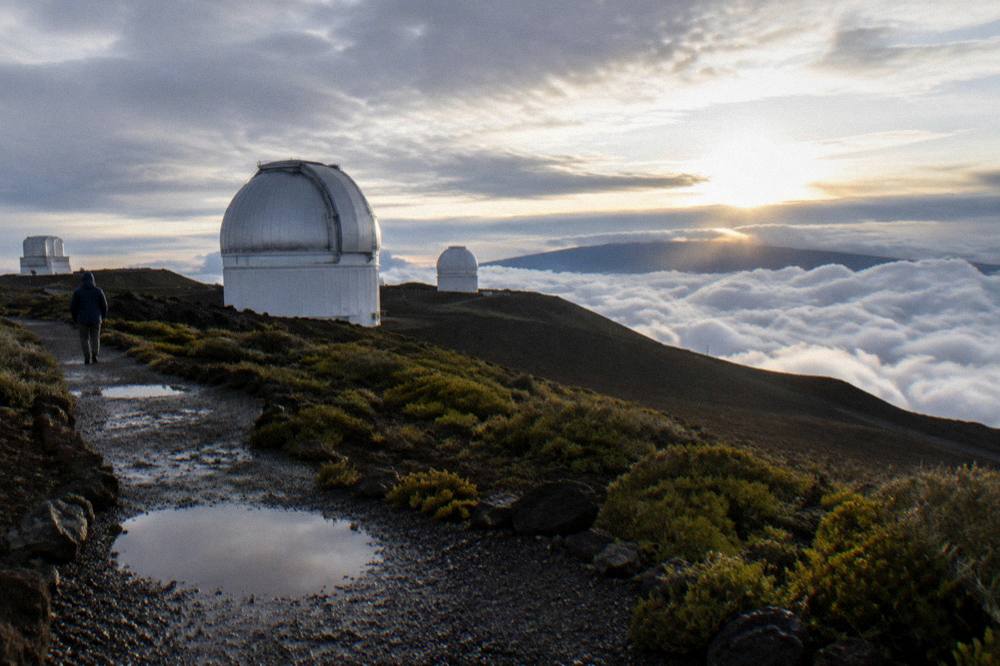
The sunrise line deserves its own explanation, because it is the fee budget travelers most often misunderstand. The $1 reservation is required for each non-commercial vehicle entering the Summit District between 3:00 a.m. and 7:00 a.m., every day, booked only through recreation.gov. Inventory is released up to 60 days ahead at 7:00 a.m. HST, with a portion held back until 2 days before, and the park's own FAQ says it often sells out within fifteen minutes. The reservation is not refunded for weather, and one customer may hold only one per three-day period. Full detail is in our Haleakala sunrise reservations guide.
Two more facts sharpen the budget picture. Authorized commercial tours operate under their own park authorization, so a traveler on a guided sunrise tour is not the one wrestling with recreation.gov at 7:00 a.m. And the entrance station and summit have no cell service, no gas and no food for sale anywhere in the park, so every snack, tank of fuel and downloaded confirmation is part of your budget before the gate.
What Is Free Once You Are Inside The Park?
Every trail, every overlook, sunset viewing and stargazing are included with entrance: the park charges nothing beyond the gate fee for activities, and no reservation exists for sunset at all. The park's hours page confirms both districts are open 24 hours, with only the pre-dawn sunrise window requiring the $1 vehicle reservation.
That makes the honest budget strategy simple: pay the $30 once, spend 3 days, and fill them with the park's own inventory of walks and viewpoints. Sunset is the standout free-for-the-fee experience. No reservation, no extra ticket, and the same summit parking lots used at dawn are open in the evening. Our can you go to Haleakala without a tour piece covers the self-drive case in depth.
For readers weighing the free route against a guided morning, the three options above frame the real choice: a coach sunrise with breakfast, a small-group crater hike with a meal, and a sunset dinner tour. None of them is required to enjoy the park, and each solves a specific problem, transport in the dark, trail expertise, or an evening meal near the crater rim, that the free itinerary leaves in your hands.
| Free activity (with entrance) | Where | Notes |
|---|---|---|
| Sunset from the summit | Pu'u 'Ula'ula, 10,023 ft | No reservation needed, dress for below-freezing wind chill |
| Stargazing | Summit District, after dark | No extra fee, park open 24 hours |
| Hosmer Grove loop | Near Summit District campground | 0.54 mile loop, 50 ft elevation change |
| Sliding Sands first overlook | Haleakala Visitor Center lot | 0.5 mile round trip, 50 ft elevation change |
| Halemau'u viewpoint | Below the Summit District entrance | 2.2 miles round trip, 400 ft elevation change |
| Pipiwai Trail | Kipahulu District | 4 miles round trip, 800 ft gain to Waimoku Falls |
One caution from the park's own pages: weather decides what you see. The summit sits 10,023 ft up, roughly 30 F cooler than the coast, and before dawn it is often below freezing. Emergency help is at least an hour away. Conditions change, and trails or roads can close; the park's current conditions page is the official check before any visit.
Which Free Trails Are Worth Your Time?
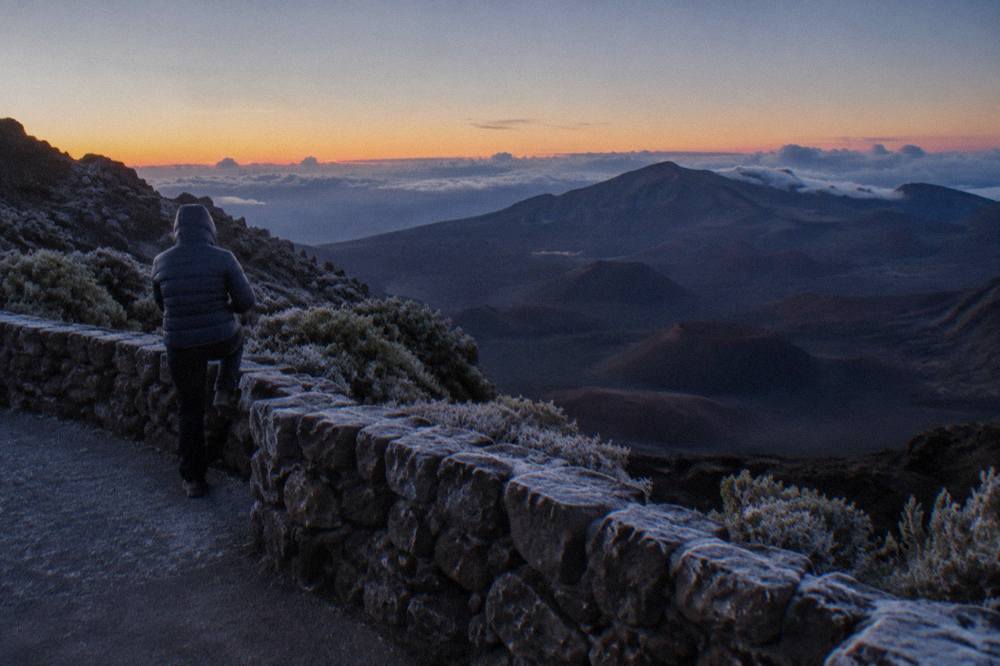
The park's best no-cost walks are the Hosmer Grove loop at 0.54 mile, the Sliding Sands first overlook at 0.5 mile round trip, the Halemau'u viewpoint at 2.2 miles round trip, and the Pipiwai Trail in Kipahulu at 4 miles round trip with 800 ft of gain, all listed on the official hiking page and all included with entrance.
The Sliding Sands Trail, Keonehe'ehe'e, starts in the Haleakala Visitor Center parking lot, which makes the first overlook one of the shortest summit walks in any national park: half a mile round trip with only 50 ft of elevation change, straight into crater-edge views. The same trail continues into a popular 11-mile one-way crossing that ends at Halemau'u at 7,990 ft, a full-day undertaking the park describes as strenuous. The safety page adds a planning rule worth more than any guidebook tip: hiking out takes about twice as long as hiking in, because of sand, cinders and altitude. Our Sliding Sands Trail guide covers the full route.
Hosmer Grove suits travelers who want native forest without a big climb. It is a self-guided nature loop through non-native trees and native shrubland near the Summit District campground, flat at 50 ft of elevation change, and it doubles as the trailhead area for the park's birdlife. In the Kipahulu District, reached 12 miles past Hana on the Hana Highway, the Pipiwai Trail climbs through bamboo to the 400-foot Waimoku Falls viewing area.
| Trail | District | Distance | Elevation change | Effort |
|---|---|---|---|---|
| Hosmer Grove loop | Summit | 0.54 mi loop | 50 ft | Easy |
| Sliding Sands first overlook | Summit | 0.5 mi round trip | 50 ft | Easy |
| Halemau'u viewpoint | Summit | 2.2 mi round trip | 400 ft | Moderate |
| Sliding Sands crater crossing | Summit | 11 mi one way | Thousands of ft | Strenuous, full day |
| Pipiwai Trail to Waimoku Falls | Kipahulu | 4 mi round trip | 800 ft gain | Moderately strenuous |
Altitude is the hidden cost of the free trails. The hiking page warns that summit-area trails are strenuous because of lower oxygen, lists nausea, headache, dizziness and shortness of breath as altitude sickness symptoms, and advises pregnant visitors and people with heart or respiratory conditions to consult a doctor. Carry water; there is no food for sale anywhere in the park.
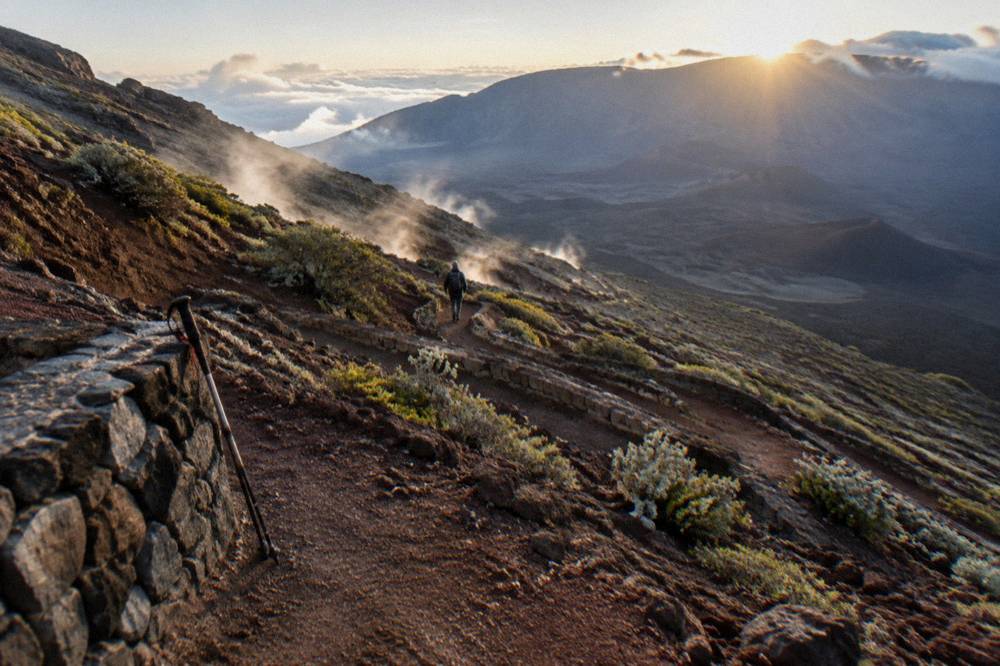
Readers who want the crater floor without route-finding alone sometimes upgrade to the Haleakala Crater Hiking Experience, a 7-hour small-group hike with a meal, from $208 per person, rated 4.8 from 74 reviews. It is not free, but it bundles a guide, food and trail judgment into one price, and the free alternative demands real preparation in exchange.
Is Stargazing At Haleakala Really Free?
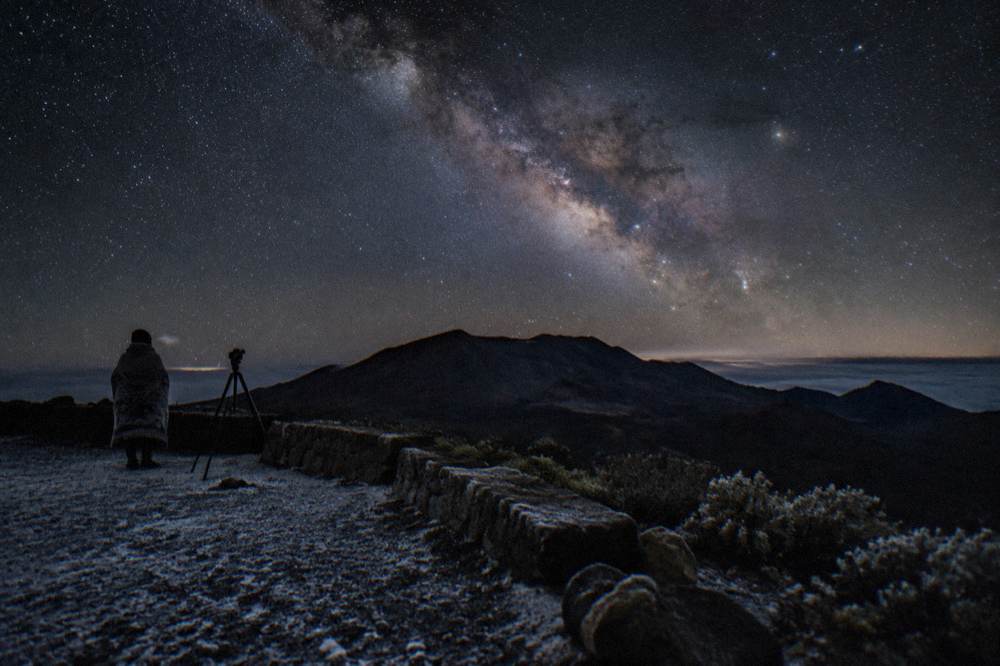
Yes: stargazing from the summit carries no fee beyond entrance and no reservation of any kind, because the park's reservation rule covers only the 3:00 to 7:00 a.m. sunrise window; after dark you simply drive up, park and look up, following the stargazing page's advice to dress warmly, bring something to sit on and switch to red light.
The same $30 vehicle pass that got you in at noon works at midnight. The park is open 24 hours, and the summit's dark skies are the draw; the stargazing page tells visitors to expect no lights and no guard rails on the road and to turn off white lights at viewing areas. Our Haleakala stargazing tours guide compares the self-drive evening with the guided options.
Two planning details make the difference between a memorable night and a cold one. First, timing around the moon: new moons in late 2026 fall on October 10, November 9 and December 9, and the nights around those dates give the darkest sky. Second, warmth: NPS reports summit nights near 40°F in summer and below freezing in winter, with wind chill making it feel colder, and the drive from the entrance gate to the summit takes about 30 minutes on an unlit road.
For travelers who would rather not drive that road in the dark at all, the paid route exists. The small-group sunset astronomy tour, from $245 per person with a 5 from 57 reviews, and the twilight sunset coach with dinner, from $257 per person rated 4.4 from 263 reviews, both handle the driving. A guest review of the twilight tour puts the case plainly: "Glad we did the tour bus and didn't drive ourselves. It got really busy and it's a long drive! Sunset is 1000xs better than sunrise, too!"
Can You See The Crater On A Strict Budget?
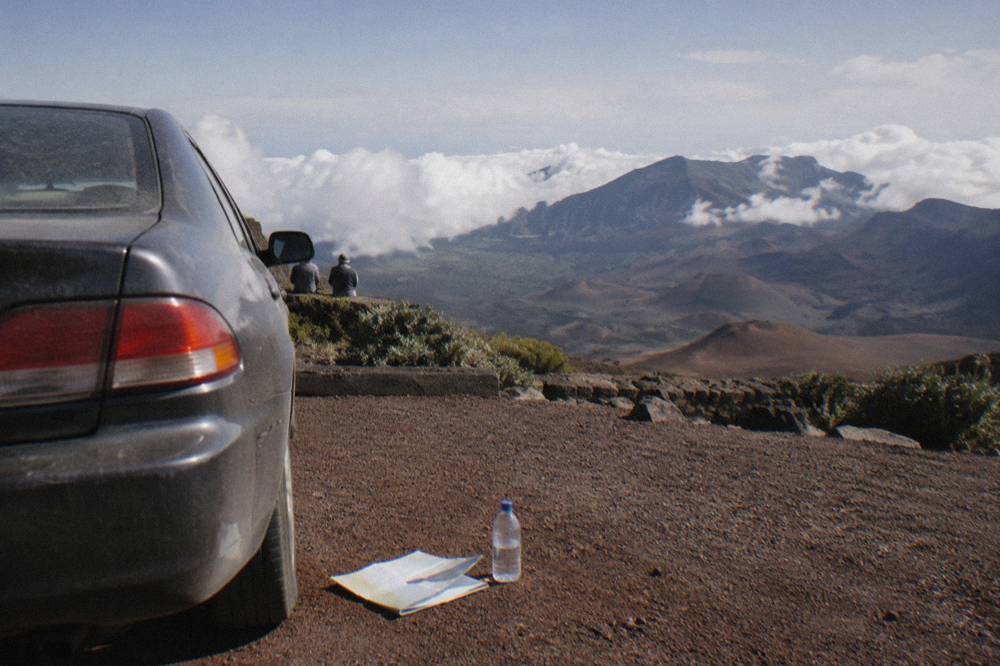
Yes, and the cheapest complete crater experience is self-drive: the $30 vehicle pass, the 30-minute drive from the entrance gate to the summit, the free overlooks at Leleiwi, Kalahaku, Haleakala Visitor Center and Pu'u 'Ula'ula, plus the short Sliding Sands first overlook walk, all without any additional ticket outside the pre-dawn window.
The four sunrise viewing areas double as daytime viewpoints, and they are listed by the park at 8,840, 9,324, 9,740 and 10,023 ft. Leleiwi is a 10-minute hike from its lot; the others are at or near parking. Arrive mid-morning and you skip both the reservation rule, which expires at 7:00 a.m., and the dawn crowds. Our Haleakala summit guide maps each stop.
The genuinely free-in-every-sense fine print: entrance is only waived on fee-free days, and the 2026 rule limits those to US citizens and residents, so international visitors budget the $30 either way. A cyclist pays $15 per person instead. What no one pays extra for: trails, overlooks, sunset, the night sky and the two visitor-center restrooms and water, which the park keeps available 24 hours a day.
Budget travelers with more time than money can also camp: Hosmer Grove in the Summit District and the Kipahulu campground are the designated overnight spots, booked online only through recreation.gov, with a maximum of 3 overnight stays in 30 days across the park. Camping converts the $30 pass into a multi-day base for every free activity above.
When Is The Cheapest Time To Visit?
The entrance fee is the same all year, so the cheapest visit is the one that stretches the 3-day pass furthest: shoulder months with stable weather, sunset instead of sunrise to skip the $1 reservation scramble entirely, and weekdays for the free overlooks, since the park's only capacity limit, about 150 vehicles, applies to the pre-dawn viewing areas.
Sunrise clock times shift through the year, computed here for the 15th of each month in HST: about 7:04 in January, 6:07 in April, 5:44 in June, 6:04 in August and 6:53 in December. A January sunrise near 7:00 a.m. means a reservation window that ends right at sunrise, an early alarm either way, and the coldest summit temperatures of the calendar. Sunset, by contrast, runs from about 17:45 in November to 19:09 in July and never needs a reservation.
| Month (15th) | Sunrise (HST) | Sunset (HST) | Free-window note |
|---|---|---|---|
| January | 7:04 | 18:04 | Coldest mornings, often below freezing |
| April | 6:07 | 18:43 | Reservation needed before 7:00 a.m. |
| June | 5:44 | 19:06 | Longest days, latest sunset |
| October | 6:20 | 18:02 | New moon around Oct 10 for dark skies |
| December | 6:53 | 17:47 | Shortest days, sunset close to 6 p.m. |
The rainy season runs November through March, and the park promises nothing about visibility: no clear sky, no visible sunrise, no stars. That is the honest trade-off of the free plan. Weather also closes trails and roads sometimes, which is why the conditions page is the last check before any trip.
A South Maui Evening Option: The Kihei Sunset Walk
For an evening outside the park, the Historic Sunset Walking Tour of Kihei is a tip-based coastal history walk in Kihei of about 1 hour 30 minutes, running Monday and Wednesday afternoons and meeting at the Kihei library. It is led in English by an independent local guide and listed on freetour.com; at the end you pay the guide what you think the walk was worth rather than a fixed price.
See this tip-based walk on freetour.com
It is a South Maui evening option, not a summit alternative: no volcano, no altitude, no entrance fee, none of it inside the national park. What it offers instead is local history at sea level on a evening when you would rather not drive two hours uphill. Budget travelers can pair it with a self-drive Haleakala sunset earlier in the stay, or use it the night before an early sunrise departure to keep the schedule light.
The walk suits visitors staying in Kihei or Wailea especially, since the meeting point is the Kihei library and no transport is needed. As with any independent, tip-based walk, confirm the current schedule with the guide before turning up; a small operation can shift days and times seasonally.
Where A Paid Tour Genuinely Beats The Free Plan?
A paid tour earns its price in exactly three situations: the pre-dawn drive, when the nine-hour coach sunrise with breakfast from $236 per person puts a professional driver on a dark, unlit, guard-rail-free road; crater navigation, where the guided hike from $208 adds trail judgment; and evenings, where a sunset dinner tour from $257 removes the return drive after dark.
Every free activity on this page shares one hidden cost: you are the driver. The park itself describes the summit road before dawn as regularly wet, windy, below freezing, without streetlights or guard rails, and a 30-minute climb from gate to summit on top of an hour or more from your hotel. One guest review of the classic vehicle sunrise tour captures what a guide adds beyond driving: "Corry, the entertaining tour guide, shared lots of interesting information; we stopped along the way to take in the view of the Milky Way."
The small-group sunset astronomy option above, capped at 8 travellers, is the evening counterpart: about 4 hours at elevation with an astronomy focus, from $245 per person, rated 5 from 57 reviews. For families, the coach sunrise with local breakfast, from $254 per person with a 4.7 from 2,471 reviews, includes hotel pickup from select Maui hotels and a meal, which one reviewer with children aged 11 and 8 described as a hit with the kids.
The small-coach sunrise option above tightens the group to 22 travellers and adds pickup from South and West Side Maui hotels, from $264 per person, rated 4.8 from 705 reviews. A guest review praises the tight timing from pickup to drop-off and ends with advice every free-plan traveler should note: "Dress warmer than you think. It's freezing on top of the mountain!" The budget-keen middle ground is the self-guided sunrise bike format, from $146 per person for the 5-hour express version on this site's roster, with a van transfer and a self-guided ride down the crater road. Cancellation is free per the listing on every tour named here, but cutoffs vary by listing, so read the booking page before relying on it.
The self-guided sunrise bike option above, from $273 per person and rated 4.7 from 777 reviews, is the fullest version of that format: van to the summit for sunrise, then a self-guided bike ride down from about 6,500 ft at the park boundary. A reviewer who hit clouds at dawn still called it a great time, crediting the directions, the equipment and the cold-weather clothing offered with the tour.
Our fuller comparison of guided versus independent visits, including the Haleakala entrance fee and passes breakdown, helps most readers decide in a few minutes.
Common Questions About Free Things To Do At Haleakala
Is Haleakala National Park free to enter?
No. Entrance is $30 per private vehicle for 3 days covering both districts, $25 per motorcycle or $15 per person on foot or bicycle aged 16 and over. Only designated fee-free days waive it, and in 2026 those apply to US citizens and residents only.
Does the sunrise reservation cost extra?
Yes, $1.00 per vehicle, on top of the entrance fee, required for non-commercial vehicles entering the Summit District between 3:00 a.m. and 7:00 a.m. It is sold only on recreation.gov, up to 60 days ahead plus a portion 2 days ahead, and often sells out within fifteen minutes.
Is sunset at Haleakala free of a reservation?
Yes. The park has no reservation system for sunset viewing. You pay the entrance fee, or use a pass, and the summit lots are open in the evening; the park is open 24 hours a day.
What can you do inside Haleakala for free?
With entrance paid, every trail and overlook is included: the Hosmer Grove loop, the Sliding Sands first overlook, the Halemau'u viewpoint, the Pipiwai Trail to Waimoku Falls, sunset from the summit and stargazing after dark.
Can you swim at the Pools of 'Ohe'o?
No. The pools are closed to entry and swimming as a standing official rule for safety reasons. They can be viewed from the Kuloa Point Trail in the Kipahulu District.
Is there food or gas inside the park?
No. The park sells no gas or food in either district, has no EV charging, and the summit area has no cell service. Bring everything with you, including water for the trails.