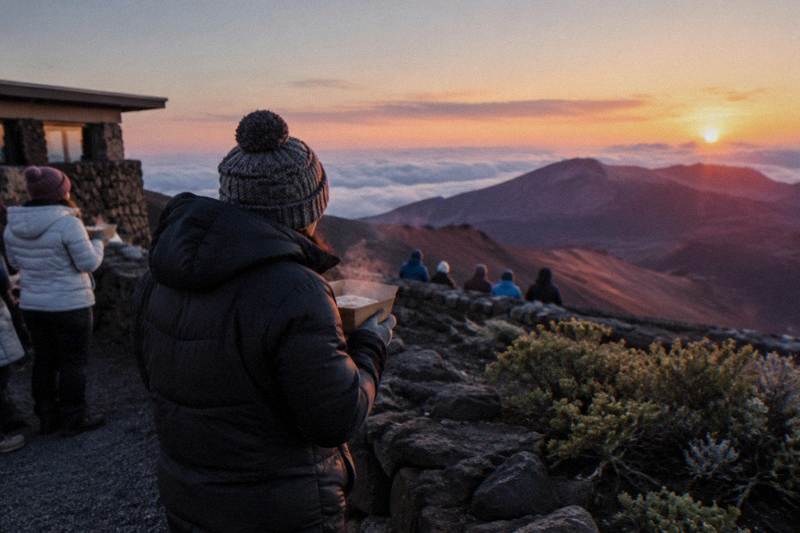
Haleakala Summit: Elevation, Viewpoints And How To Get There
The Haleakala summit at Pu'u 'Ula'ula (Red Hill) sits at 10,023 ft, about 30 F cooler than the Maui coast and roughly 30 minutes by road from the park entrance gate. This guide covers the four viewing areas, the drive, the sunrise reservation rule and what each kind of visit actually feels like.
Short answer
The Haleakala summit is Pu'u 'Ula'ula (Red Hill) at 10,023 ft, the highest point on Maui. The drive from the entrance gate takes about 30 minutes up 11 miles of paved road. Sunrise entry between 3:00 a.m. and 7:00 a.m. needs a $1.00 per vehicle reservation on recreation.gov unless you ride with an authorized commercial tour. Sunset needs no reservation.
The highest point on Maui is the Haleakala summit at Pu'u 'Ula'ula (Red Hill), 10,023 ft above sea level and about 30 F cooler than the beaches an hour below. The National Park Service runs the numbers plainly on its own weather page: temperature drops about 3 F per 1,000 ft of climbing, and the summit sits roughly 30 F below the coast, often below freezing before dawn. Visitors reach it on 11 miles of paved road from the Summit District entrance, a drive the park's FAQ puts at about 30 minutes. Around 150 vehicles can access the four sunrise viewing areas during the reservation window, which is why the pre-dawn entry system exists at all.
This guide walks through what the summit actually is, the four viewpoints and their elevations, the drive and the fees, the sunrise reservation rule, the weather, and the hiking, biking and camping options that hang off the same mountaintop. Where a guided option makes the trip easier, we point to the specific tours on this site's roster, including the nine-hour sunrise tour by Skyline Hawaii that runs from $236 per person with hotel or condo pickup.
What And Where Is The Haleakala Summit?
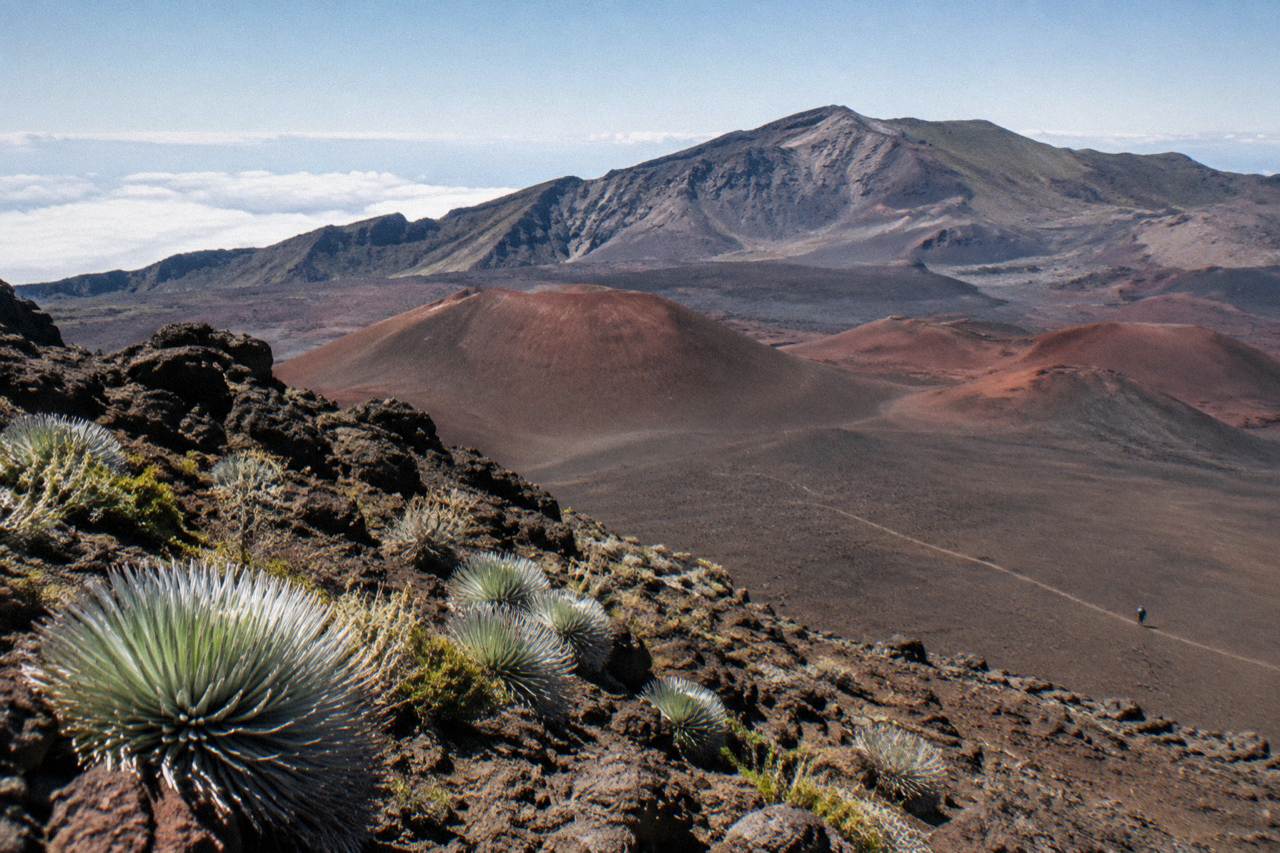
The Haleakala summit is Pu'u 'Ula'ula (Red Hill), a cinder cone topping out at 10,023 ft (3,055 m), the highest point on Maui and the floor of a crater-like basin that draws most visitors to Haleakala National Park. The Summit District begins at 7,000 ft, and the road ends near the top rather than at a single point, so "the summit" in practice means a cluster of viewing areas between 8,840 and 10,023 ft.
Pu'u 'Ula'ula is the Hawaiian name printed on the park's own materials, and Red Hill is the translation: the cone is rust-colored volcanic ash and cinder, and the viewing building at the very top sits on its rim. The "crater" below is technically an erosional valley rather than a volcanic one, a distinction the park's geology materials make and most first-time visitors never need to care about. What matters practically is scale: the basin stretches miles across, the floor sits thousands of feet below the rim, and the landscape is barren enough that NASA tested equipment here for the Moon.
The summit is also a working astronomy site. The dry, stable air above the inversion layer is why observatories sit on the mountain, and it is why stargazing from the top is a genuine activity rather than a marketing line. Daytime, the views run down the island and out to the neighboring volcanoes on a clear afternoon. Nothing about visibility is promised; clouds roll through the basin on their own schedule, and the park is direct about that.
For most readers the practical questions come next: which of the four viewing areas to stand at, and how the drive and the reservation system shape the day. Those are the sections below.
The Four Summit Viewpoints And Their Elevations
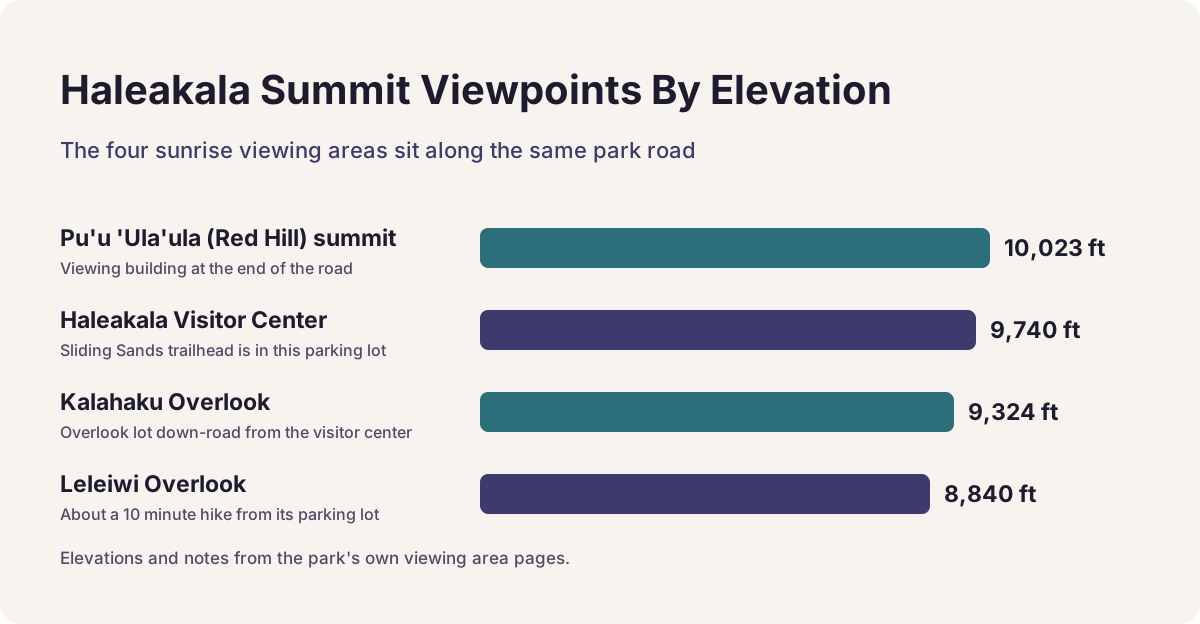
The park names four sunrise viewing areas: Pu'u 'Ula'ula (Red Hill) summit at 10,023 ft, Haleakala Visitor Center at 9,740 ft, Kalahaku Overlook at 9,324 ft and Leleiwi Overlook at 8,840 ft, with about 150 vehicles able to access them during the sunrise window. All four sit along the same road, so the choice is about crowds, parking and a short walk, not about a different mountain. For a closer look at the most popular of the four, our guide to the Haleakala Visitor Center and every sunrise viewpoint covers hours, parking and what to expect at each stop.
| Viewing area | Elevation | Notes from the park's own pages |
|---|---|---|
| Pu'u 'Ula'ula (Red Hill) summit | 10,023 ft | Highest point on Maui; viewing building at the end of the road |
| Haleakala Visitor Center | 9,740 ft | Sliding Sands trailhead is in this parking lot |
| Kalahaku Overlook | 9,324 ft | Overlook lot down-road from the visitor center |
| Leleiwi Overlook | 8,840 ft | About a 10 minute hike from its parking lot |
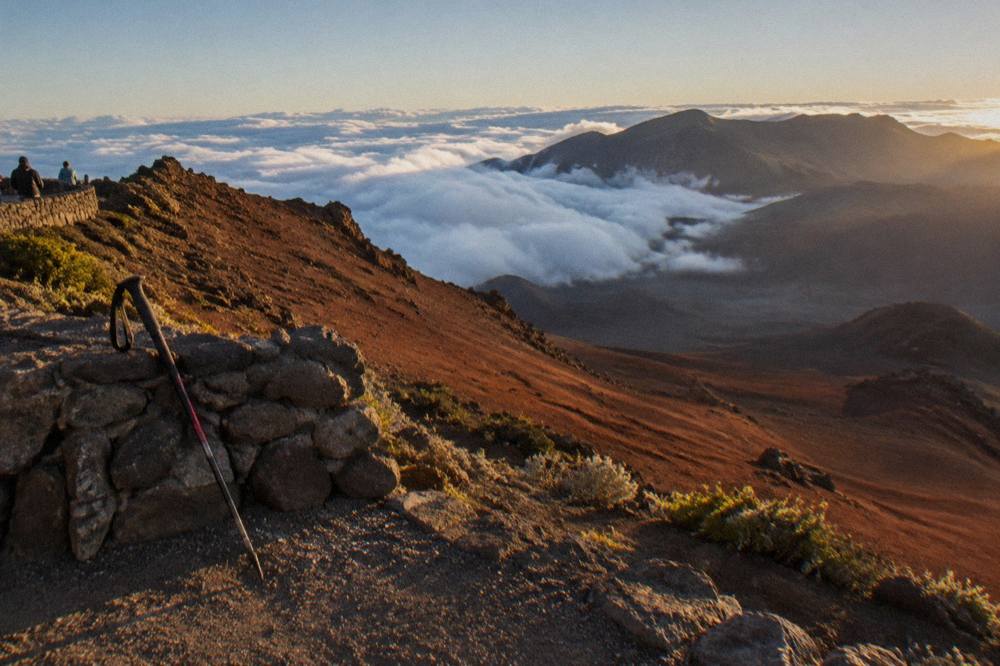
The differences between them are modest in elevation and real in character. The summit lot is the destination most people picture and fills first. Haleakala Visitor Center at 9,740 ft is where the Sliding Sands trail begins, so hikers and sunrise viewers share the lot in the early morning. Kalahaku looks down into the basin from the western side. Leleiwi, lowest of the four and a short walk from its lot, is the one the park's FAQ singles out for the walk, and it tends to be the quieter stop.
Parking lots close when full, which the park states plainly on its sunrise page. That is the quiet force behind the reservation system: the four highest lots hold a finite number of cars, demand before dawn is heavy every day of the year, and the $1.00 reservation is how the park spreads vehicles across the window. A traveler arriving after 7:00 a.m. needs no reservation at all, at any of the four.
If reading about a 3:00 a.m. alarm is enough to settle the tour-versus-drive question on the spot, these are the three summit-area formats worth a first look: the nine-hour coach sunrise tour, the sunset dinner alternative, and a private summit stroll.
Each of those covers a different way to stand at the top: a shared sunrise coach with breakfast, a sunset coach with dinner, and a private five-hour trip from Kahului. The nine-hour sunrise tour by Skyline Hawaii runs from $236 per person and is rated 4.7 from 678 reviews, with pickup at your hotel or condo and the listing noting whether park admission is covered at the summit. More detail on each format sits in the site's sunrise tours overview and the sunset and stargazing guide.
How To Get To The Summit: Drive Times, Fees And The Road
Driving to the Haleakala summit takes 45 minutes to 1 hour from Kahului, 1 to 1.5 hours from Kihei and 1.5 to 2 hours from Lahaina, then about 30 minutes more up the 11 paved miles from the Summit District entrance gate. Entrance costs $30 per private vehicle, valid 3 days and covering both park districts, and the park takes card only, no cash.
| Starting point | Drive to Summit District entrance (NPS FAQ) |
|---|---|
| Kahului | 45 minutes to 1 hour |
| Kihei | 1 to 1.5 hours |
| Lahaina | 1.5 to 2 hours |
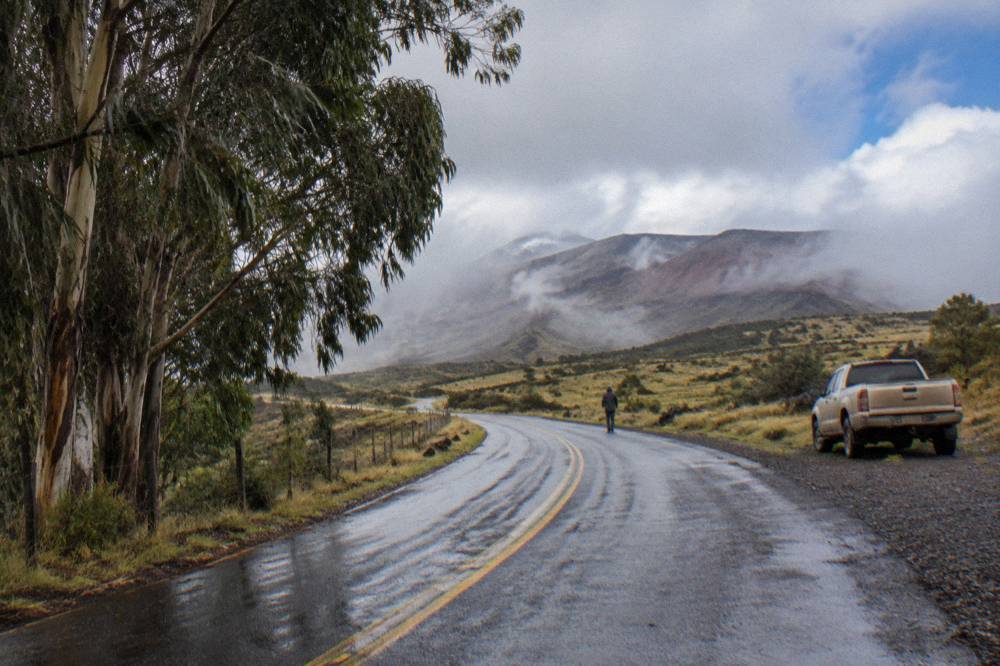
The road itself is paved the whole way and climbable in an ordinary rental car. The park's sunrise page is candid about the caveats: no streetlights, no guard rails in places, and before dawn the air is regularly wet, windy and below freezing. The official drive and FAQ details are worth a read before a first pre-dawn run. There is no gas and no food anywhere in the park, no EV charging, and emergency help is at least an hour away, so a full tank and real layers are not optional extras.
The fees are simple and printed on the park's fees page: $30 per private vehicle for 3 days covering the Summit and Kipahulu Districts, $25 per motorcycle, $15 per person on foot or bicycle for visitors 16 and over, an annual Haleakala pass at $55, and the standard America the Beautiful pass lineup. Fee-free days exist but they apply to US citizens and residents only, and they do not waive the sunrise reservation. To get real value out of that admission price, browse our roundup of free and budget friendly things to do at Haleakala.
For anyone who would rather not make that drive in the dark at all, this is the decision point where a tour earns its price.
The nine-hour Haleakala National Park Sunrise Tour handles the dark climb, parking and timing, then returns you to your hotel or condo. It runs from $236 per person, rated 4.7 from 678 reviews, and the listing notes free cancellation, so read the booking page for the exact cutoff before relying on it. Authorized commercial tours, which the National Park Service lists on its road-based concessions page, operate under their own park authorization; the reservation system is a rule for private vehicles, which is a genuinely different morning from a tour passenger's morning.
The Sunrise Reservation Rule At The Summit
Every non-commercial vehicle entering the Summit District between 3:00 a.m. and 7:00 a.m., every day, needs a $1.00 sunrise reservation bought on recreation.gov, in addition to the entrance fee. Reservations open up to 60 days ahead at 7:00 a.m. HST plus a portion 2 days ahead, often sell out within fifteen minutes, and cannot be bought by phone or in person.
That is the whole rule, and the NPS sunrise page and the sunrise reservations FAQ state each piece of it. The reservation is per vehicle, one per customer per three-day period, valid only for the day reserved, and it is not refunded or exchanged for weather. At the entrance station the holder shows photo ID and the confirmation. If the summit is inside a cloud that morning, the dollar stays spent.
The mechanics trip people up more than the cost. The 60-day release happens at 7:00 a.m. Hawaii time, which is morning in Hawaii and midday or afternoon on the mainland, and the popular dates go fast. The two-day-ahead release at the same hour is the second chance, and it is a real one: travelers cancel and rebook constantly, and inventory reappears. Our sunrise reservations guide walks through the timing strategy in detail.
Two boundaries on what a tour does and does not do here, stated the way the park states them. Authorized commercial tours operate under their own park authorization, which is why a tour passenger is not juggling recreation.gov at 7:00 a.m. HST. But no listing on our roster states that the $1 sunrise vehicle reservation is included, and we do not claim it is. The distinction that matters to a tour passenger is simply that the reservation rule attaches to non-commercial vehicles in the four highest lots.
Summit Weather: What 10,023 Ft Actually Feels Like
Summit temperatures run from below freezing before dawn to afternoon highs of 50 to 65 F, roughly 30 F colder than the coast, with wind chill and damp pushing the felt temperature lower, and the rainy season running November through March. The park's own pages warn of altitude sickness symptoms and advise pregnant visitors and people with heart or respiratory conditions to consult a doctor.
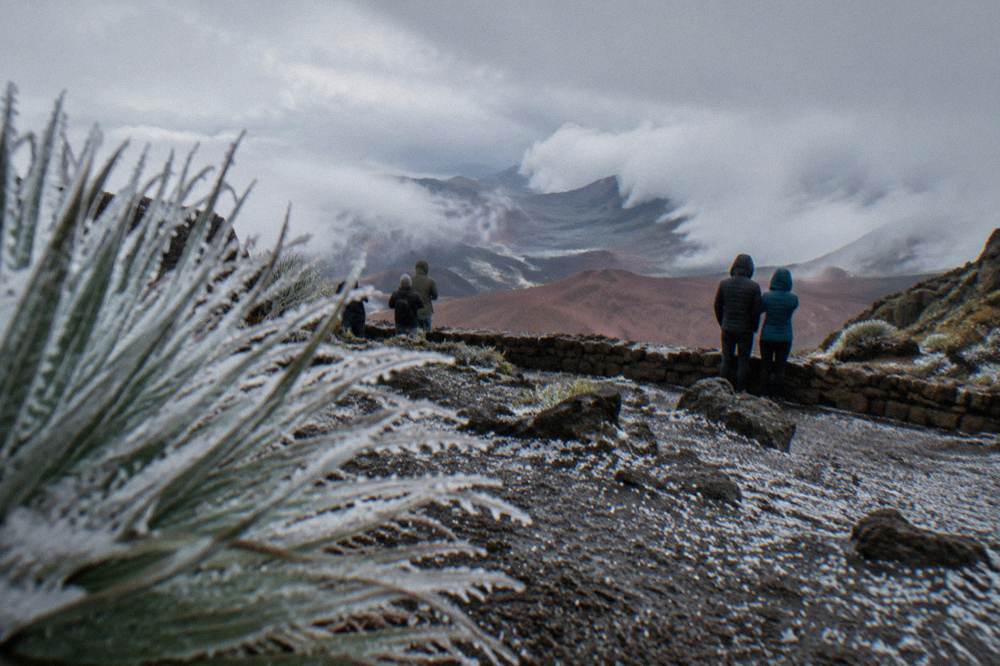
The honest framing is that the summit is a winter morning dressed as a tropical island activity. Guest reviews on the sunrise listings say versions of the same thing; one traveler on the Majestic Haleakala Sunrise Tour wrote, "Dress warmer than you think. It's freezing on top of the mountain!" The park's hiking page adds the physiological piece: trails in the summit area are strenuous because of lower oxygen, and nausea, headache, dizziness and shortness of breath are recognized altitude sickness signs. Descend if symptoms worsen. The full index of guides sits on Haleakala National Park Tours.
For planning, the nearest long-run weather station sits about 3,000 ft below the summit, so read its numbers as a floor, not a forecast for the top:
| Month | Station mean high / low (F) | Station precip (in) |
|---|---|---|
| Jan | 63.1 / 44.7 | 4.5 |
| Apr | 61.6 / 44.0 | 3.3 |
| Jul | 65.7 / 47.7 | 2.2 |
| Oct | 64.4 / 48.2 | 2.6 |
The summit runs colder than every figure in that table. Sunrise times shift across the year too, from about 7:04 a.m. in January to about 5:44 a.m. in June, which is why winter tours leave the resort around 3:00 a.m. and summer ones not much later. Our summit weather guide carries the month-by-month detail.
Sunset And Stargazing From The Summit
Sunset viewing at the Haleakala summit needs no reservation of any kind, only the standard entrance fee, and the park permits visitors after dark, which makes the summit one of the few accessible dark-sky viewpoints in Hawaii. The park's stargazing guidance is practical: dress warmly, bring something to sit on, use red light rather than white, and expect no lights or guard rails on the road down.
The economics of this are worth noticing. A sunrise visit by private car costs the entrance fee plus the $1 reservation and a drive in the dark on both ends. A sunset visit costs the same entrance fee and nothing else, in daylight for the climb, with the drive down starting under a fading sky. One traveler on the Sunset Twilight Tour with Dinner put the comparison bluntly: "Sunset is 1000xs better than sunrise, too!" That is one opinion, not a fact about light, but the no-reservation part is a fact, and the sunset page confirms it.
Guided options split by format. The Twilight Sunset Tour with Dinner runs about 7 hours by coach from specific Maui hotels, from $257 per person, rated 4.4 from 263 reviews. For a darker, quieter night, the small-group sunset and astronomy tour by Amazing Maui Stars takes up to 8 travelers for about 4 hours near the 10,000 ft level, from $245 per person, rated 5.0 from 57 reviews, a small pool but a perfect one so far.
Ranger-led night sky programs happen at the summit when staffing and weather allow, and the park's calendar is the source for current times rather than any fixed schedule. Whether guided or self-driven, the same rule applies as at sunrise: weather decides, and the mountain owes nobody a clear night.
Hiking From The Summit: The Sliding Sands Trailhead
The Keonehe'ehe'e (Sliding Sands) trailhead sits in the Haleakala Visitor Center parking lot at 9,740 ft, with the first overlook a 0.5 mile round trip and only 50 ft of elevation change, making it the shortest real walk from the summit area. The full crater crossing runs about 11 miles one way and ends at Halemau'u, and the park warns that hiking out takes roughly twice as long as hiking in.
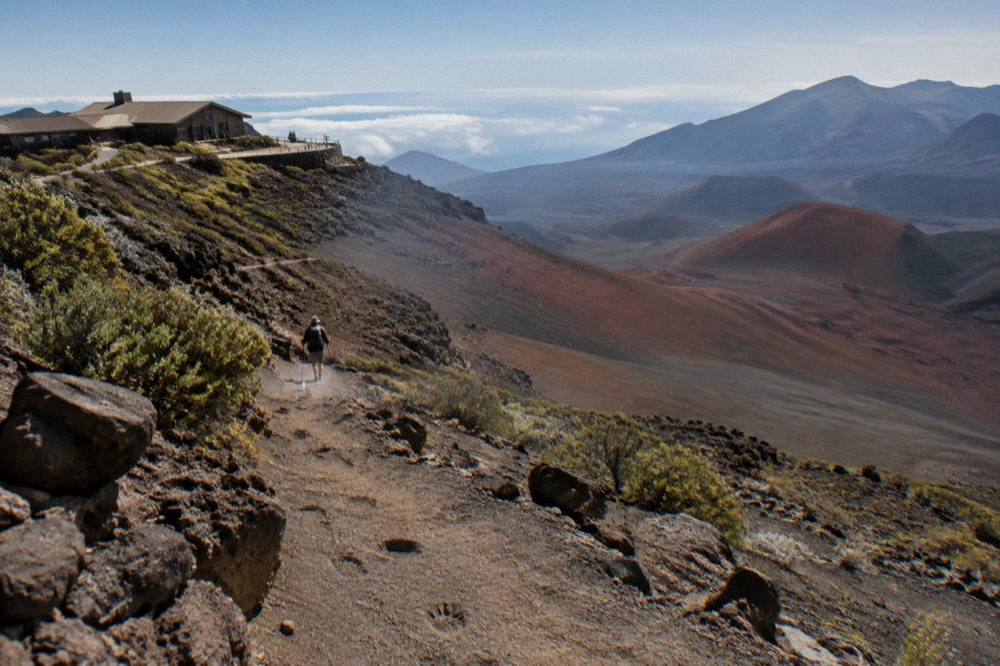
The first overlook is the piece most summit visitors can do without planning: a short walk on sand and cinder with essentially no climbing. Beyond it the trail descends toward a crater floor about 3.9 miles one way, and every step down is a step back up at altitude, which is the entire reason the park publishes the two-to-one time warning. There is no hiker shuttle across the crater, so a full crossing is a car-shuttle or a very long day. Our Sliding Sands trail guide covers it in full.
Guided hiking changes the equation for visitors who want interpretation rather than navigation. The Haleakala Crater Hiking Experience by Hike Maui runs about 7 hours in the Sliding Sands area per its listing, from $208 per person, rated 4.8 from 74 reviews, with a meal included and a four-traveler minimum to run. A private alternative is the five-hour Private Haleakala Summit and Stroll from Kahului, from $359 per group, rated 5.0 from 69 reviews.
Bike Tours And The Summit
Downhill bike tours on Haleakala reach the summit by van for the sunrise view, then ride down the slopes from outside the park boundary, with each listing stating exactly where its ride starts, commonly around 6,500 ft on the crater road below the park. Cyclists entering under their own power pay the $15 per-person entrance fee, may ride paved roads only, and the park warns hypothermia is common on the descent.
The self-guided sunrise bike option from Bike Maui and Haleakala EcoTours runs about 7 hours from $273 per person, rated 4.7 from 777 reviews: van to the summit for sunrise, then a self-guided ride down from about 6,500 ft at the park boundary. A traveler on that tour reported that "the guide gave great directions, entertaining and the equipment was in great condition," and appreciated the included Helly Hansen clothing layer. The shorter daytime express version runs 5 hours from $146 per person.
The park's bicycling page states the rules for anyone riding independently: paved roads only, no bike lane, no trails, and the standard warnings about cold. A cyclist may enter before 7:00 a.m. without a sunrise reservation, but the park does not recommend riding up in the dark, and it is easy to see why across 10 miles and several thousand feet of climbing.
Can You Camp Near The Haleakala Summit?
Yes, camping is allowed at Hosmer Grove, a drive-up campground in the Summit District near the 7,000 ft level, booked online only through recreation.gov, plus the Kipahulu campground on the far side of the park, wilderness tent sites and historic cabins, with a maximum of three overnight stays in any 30 days across the park. No sleeping in vehicles outside designated campgrounds, and pets are not permitted in campsites.
Camping is the one way to be at the summit without a 2:00 a.m. alarm, since Hosmer Grove puts you inside the entrance gate the night before. The trade is the cold: you are sleeping at altitude, in the same air the park describes as regularly below freezing before dawn. Kipahulu, 12 miles past Hana, is a different world, a coastal district averaging 187 inches of rain a year, where the Pipiwai Trail climbs 800 ft over 4 miles round trip to the Waimoku Falls viewing area and the Pools of 'Ohe'o can be viewed from the Kuloa Point Trail but are closed to entry and swimming. Bookings for Hosmer Grove are online only; Kipahulu uses a rolling 30-day window. The camping page is the source for both.
Choosing Your Summit Day: A Quick Comparison
The summit visit comes down to one axis, the pre-dawn drive versus letting an authorized operator handle it, with a second axis of what you do at the top: watch, walk, ride or stay overnight. Coach sunrise tours run from $236 to $264 per person on this roster, sunset tours from $222 to $314, bike tours from $145 to $318, and the private and small-group options sit above them.
| Format | Roster price range (from, per person) | Duration range | Typical fit |
|---|---|---|---|
| Sunrise coach or small coach | $236 to $264 | 8 to 10 hours | First-timers wanting the classic view without driving |
| Sunset and stargazing | $222 to $314 | 5 to 7 hours | Anyone avoiding the 3 a.m. alarm; no reservation needed |
| Downhill bike (guided or self-guided) | $145 to $318 | 4 to 8 hours | Active travelers who want the descent as the event |
| Crater hike from $208 per person; private tours priced per group | 5 to 7 hours | Interpretation and small groups over big coaches |
Read the prices as roster figures, with "from" in front of every one, since dates and group size move them. The nine-hour sunrise tour remains the site's featured pick for good reasons: hotel or condo pickup, breakfast, the longest summit window of the coach options, and 4.7 from 678 reviews behind it. Visitors comparing the two ends of the day should read the sunrise versus sunset comparison before committing to an alarm time.
Whatever the format, check the park's current conditions page on the day: weather can close roads and shut down any plan, and no tour or reservation guarantees a visible sun.
Common Questions About The Haleakala Summit
How high is the Haleakala summit?
Pu'u 'Ula'ula (Red Hill), the Haleakala summit, stands at 10,023 ft (3,055 m), the highest point on Maui. The Summit District begins at 7,000 ft, and the four sunrise viewing areas range from 8,840 ft at Leleiwi Overlook up to the summit itself.
Do you need a reservation for the Haleakala summit?
Only for sunrise. Every non-commercial vehicle entering the Summit District between 3:00 a.m. and 7:00 a.m. needs a $1.00 per vehicle reservation from recreation.gov, in addition to the entrance fee. After 7:00 a.m., and for sunset and stargazing, no reservation is needed.
How long does it take to drive to the Haleakala summit?
Count 45 minutes to 1 hour from Kahului, 1 to 1.5 hours from Kihei and 1.5 to 2 hours from Lahaina to the Summit District entrance, then about 30 minutes more up the 11 paved miles to the top.
How cold is it at the summit?
The summit runs about 30 F cooler than the coast, from below freezing before dawn to afternoon highs of 50 to 65 F, with wind chill making it feel colder. Dress in real layers; the park warns of hypothermia on foot and on bikes alike.
Can you camp at the Haleakala summit?
Not at the very top, but Hosmer Grove is a drive-up campground in the Summit District near the 7,000 ft level, booked online only on recreation.gov. Overnight stays are capped at three in any 30 days across the park, and sleeping in vehicles outside designated campgrounds is not permitted.
Can bikes ride down from the summit?
Downhill tours reach the summit by van for sunrise, then the ride itself takes place below the park boundary on the crater road, commonly from about 6,500 ft, exactly as each listing describes. Independent cyclists may ride the paved park roads, pay the $15 per-person entrance fee, and the park does not recommend riding up in the dark.