Haleakala Sunrise Vs Sunset: Which Tour Is Right For You
Sunrise needs a reservation and a 3 a.m. alarm; sunset needs neither. Here is how the two slots compare on price, weather, crowds and tour inclusions.
Short answer
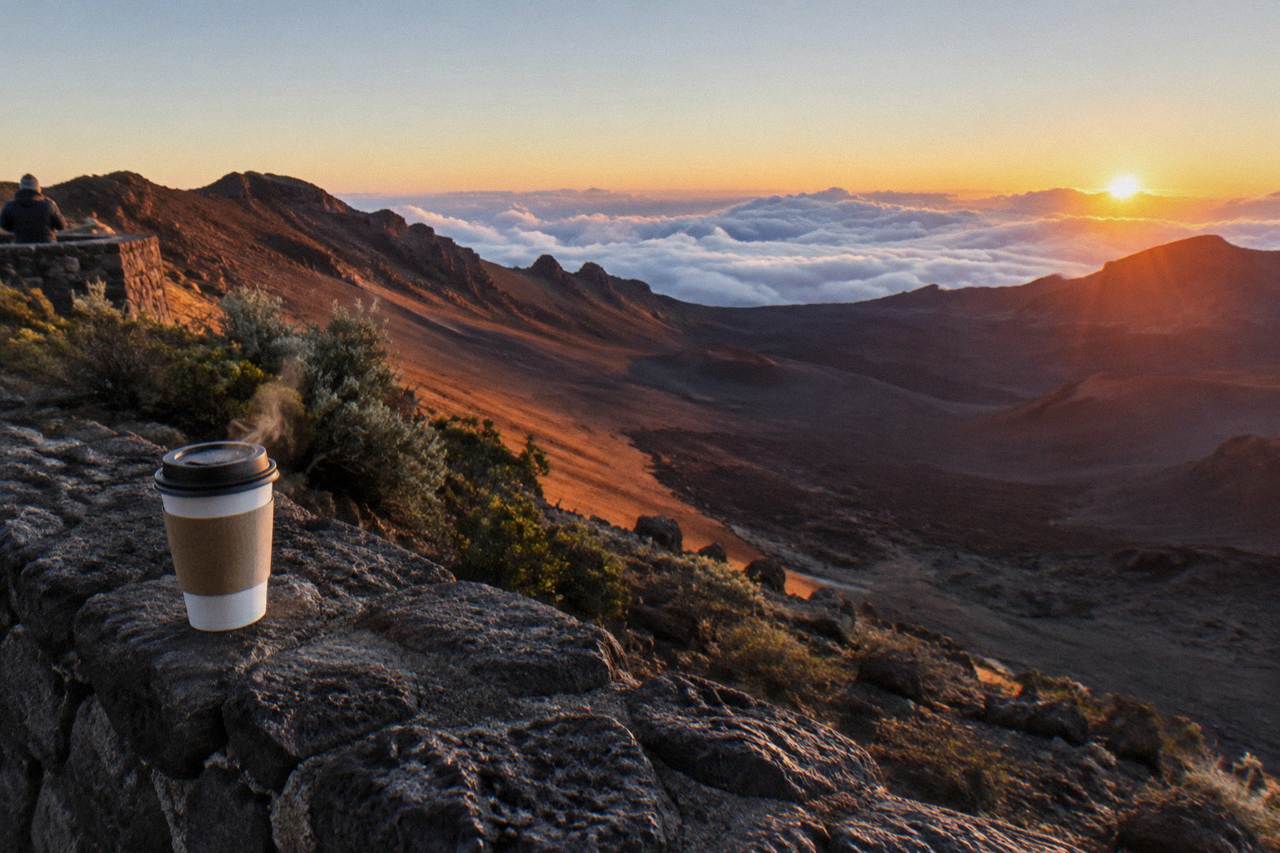
Sunrise tours at Haleakala start from $236 per person and require the $1 per vehicle sunrise reservation if you drive yourself; sunset tours start from $222 per person and need no reservation. Sunrise runs colder and darker; sunset runs warmer and later. The right pick depends on your sleep, your party and your budget.
Sunrise at Haleakala requires a reservation, a pre-dawn drive up a road with no streetlights, and temperatures that sit at or below freezing. Sunset requires none of the paperwork, starts in daylight and ends under stars. The park's own pages frame the two slots that way, and the tour market prices them closer together than most visitors expect: guided sunrise tours on this site's roster run from $236 per person, while sunset options start from $222. The choice between them is less about money and more about sleep, cold tolerance and what you want from the summit.
Sunrise takes a reservation, an early wake-up and layers for summit cold; sunset asks less. Compare all 21 Haleakala tours, using the month-by-month sunrise and sunset times on this page to build your comparison. The short version: sunrise is the famous one, sunset is the comfortable one, and the deciding factors are the reservation system, the wake-up time and whether your group handles cold well. Both slots can be booked as guided tours that handle the drive, the park admission and the timing for you.
What Is The Difference Between Sunrise And Sunset At Haleakala?
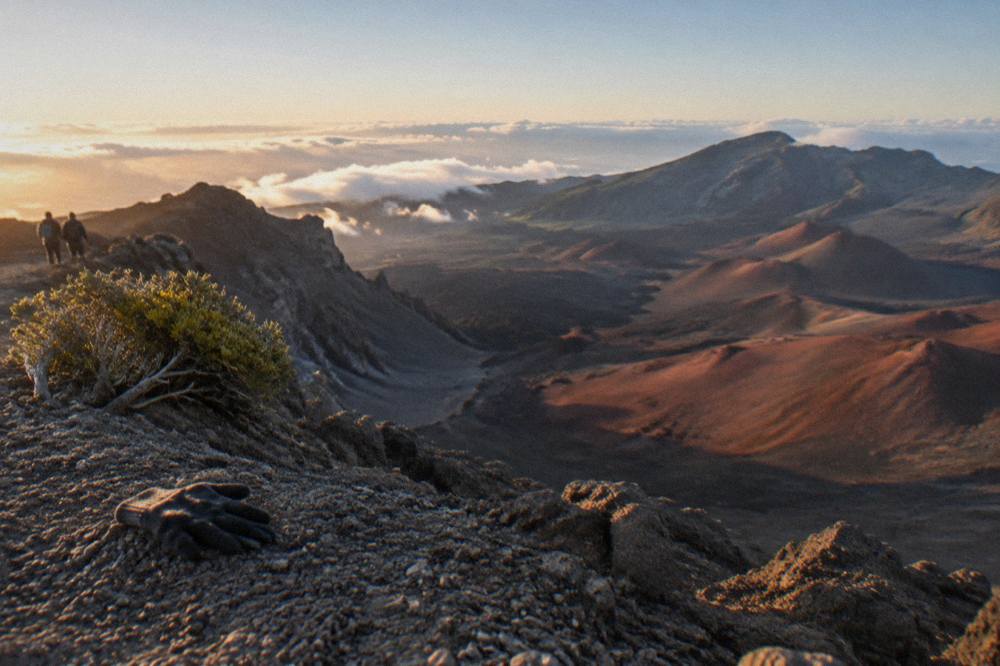
The two slots differ in three practical ways: sunrise requires a $1 per vehicle reservation for self-drivers entering between 3:00 and 7:00 a.m., sunrise temperatures are commonly at or below freezing while afternoons warm to 50 to 60 F, and sunset viewing needs no reservation at all. The summit itself, 10,023 ft at Pu'u 'Ula'ula, is the same place either way.
The sunrise system exists because demand outstrips the road. The park states that 150 vehicles can access the four sunrise viewing areas, and that reservation inventory on recreation.gov often sells out within fifteen minutes of the 7:00 a.m. HST release, sixty days ahead, with a portion released two days out. A traveler who drives themselves needs that ticket plus the entrance fee. A traveler on a tour does not book it themselves: tours run by NPS-authorized commercial operators operate under their own park authorization, and the reservation rule applies to non-commercial vehicles in the four highest parking lots.
Sunset has no such gate. The park's sunset page states plainly that no reservation system exists for sunset viewing, so a self-driver pays the entrance fee and drives up in daylight. That single difference shapes the whole decision for independent travelers. For tour-bookers it matters less, but it explains why sunrise tours leave hotels in the dark and why sunset tours leave in the afternoon.
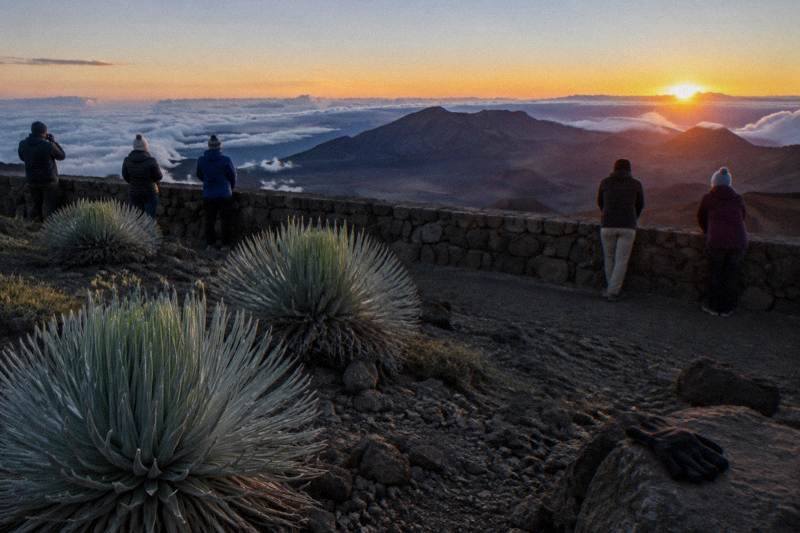
The experience differs too. Sunrise tours climb through pre-dawn dark, often with stars still out, and watch light fill the crater from the top of the world. Sunset tours climb in daylight, watch the sun drop toward the West Maui mountains and the ocean, and often stay for the first stars. One review of the Twilight Sunset with Dinner tour puts it bluntly: "Sunset is 1000xs better than sunrise, too!" That is one guest's view, not a verdict, but it reflects a real split among repeat visitors.
How Do Sunrise And Sunset Tour Prices Compare?
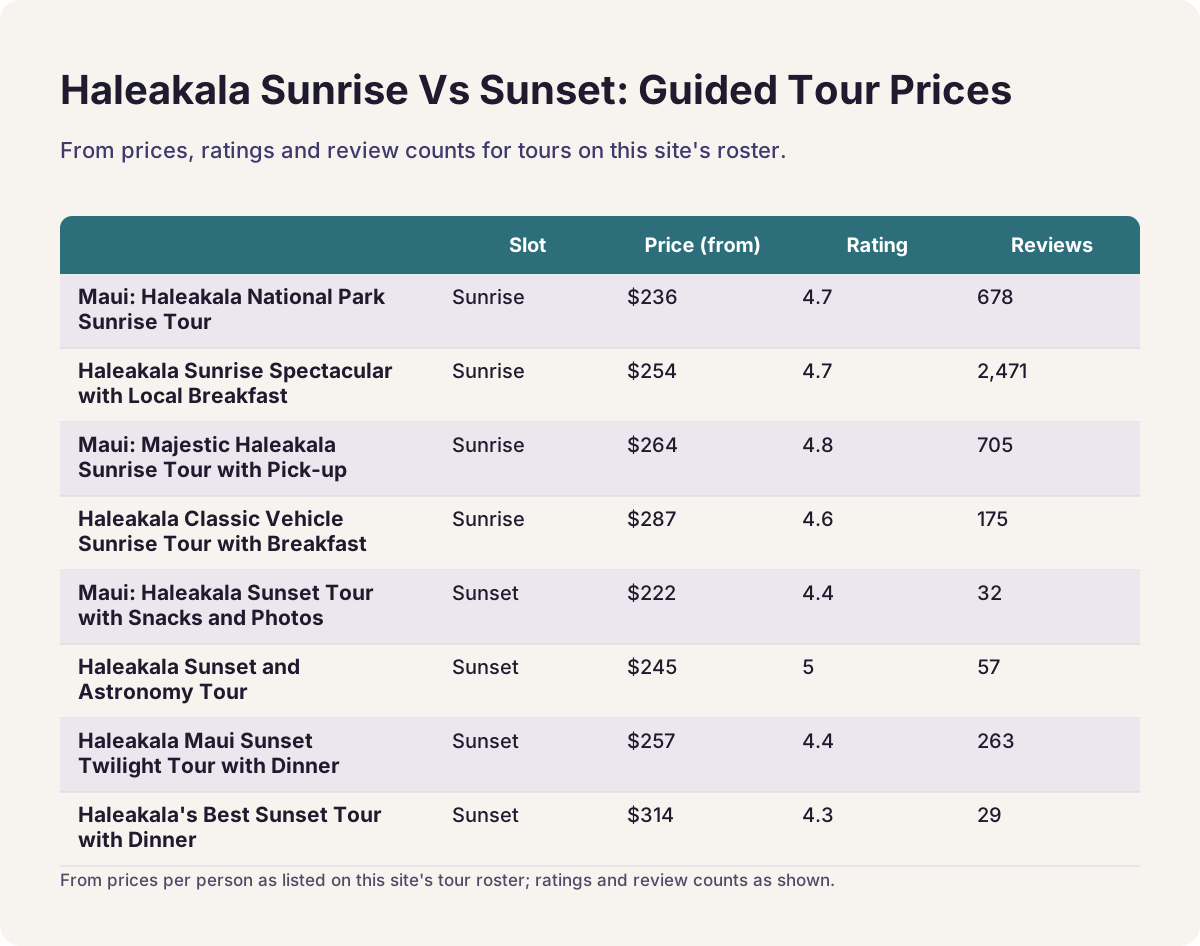
Sunrise tours on the roster run from $236 to $287 per person for guided vehicle tours with breakfast, while sunset tours run from $222 to $314 per person. The cheapest sunrise option is the 9-Hour Sunrise with Breakfast at from $236, and the cheapest sunset option is Sunset, Snacks and Photos at from $222. The price gap between the slots is small; the inclusions vary more than the prices do.
Here is the full price picture across both slots, drawn only from the roster's firm figures:
| Tour | Slot | Operator | Price (from, per person) | Rating | Reviews |
|---|---|---|---|---|---|
| Maui: Haleakala National Park Sunrise Tour | Sunrise | Skyline Hawaii | $236 | 4.7 | 678 |
| Maui: Sunrise & Breakfast Tour to Haleakala National Park | Sunrise | Polynesian Adventure | $236 | 4.3 | 175 |
| Maui: Majestic Haleakala Sunrise Tour with Pick-up | Sunrise | Valley Isle Excursions | $264 | 4.8 | 705 |
| Maui: Haleakala Sunrise Spectacular with Local Breakfast | Sunrise | Polynesian Adventure Tours | $254 | 4.7 | 2471 |
| Haleakala Classic Vehicle Sunrise Tour with Breakfast | Sunrise | Bike Maui AND Haleakala EcoTours | $287 | 4.6 | 175 |
| Maui: Haleakala Sunset Tour with Snacks and Photos | Sunset | MauiHoppin | $222 | 4.4 | 32 |
| Haleakala Maui Sunset Twilight Tour with Dinner | Sunset | Polynesian Adventure Tours | $257 | 4.4 | 263 |
| Haleakala Sunset and Astronomy Tour | Sunset | Amazing Maui Stars | $245 | 5 | 57 |
| Haleakala's Best Sunset Tour with Dinner | Sunset | Bike Maui AND Haleakala EcoTours | $314 | 4.3 | 29 |
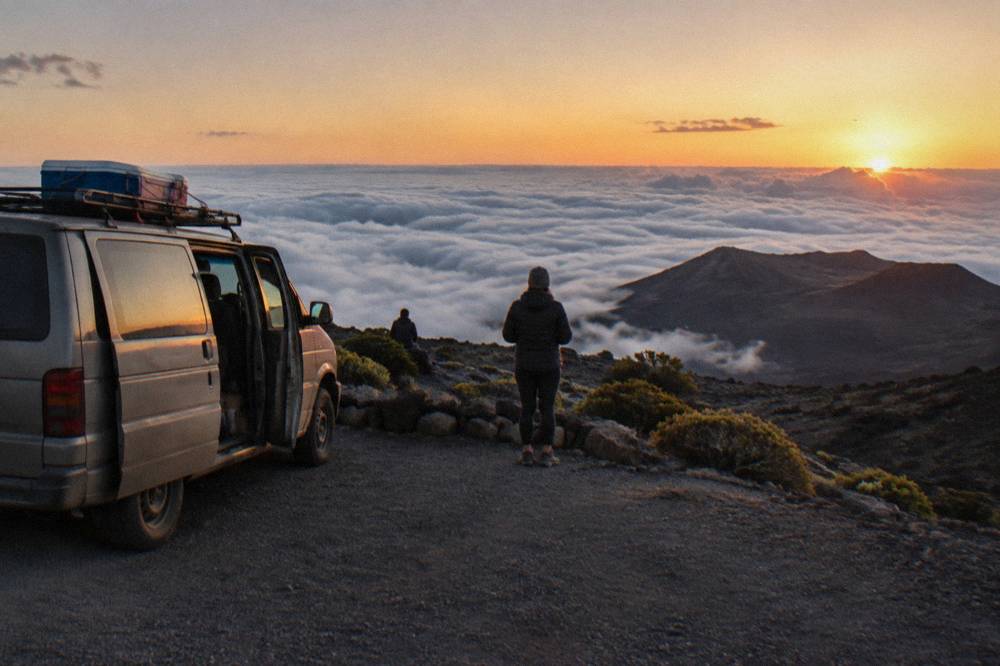
Two patterns stand out. First, the most-reviewed product in either slot is a sunrise tour: the Sunrise Coach, Local Breakfast from Polynesian Adventure Tours, 4.7 across 2,471 reviews, from $254 per person. Second, the premium end of sunset is not cheaper: the Private Sunset with Dinner runs from $314 per person, more than every standard sunrise coach tour. The budget end of sunset is where the savings are, but the two cheapest sunset listings have small review pools, 32 and 29 reviews, so treat their ratings as thin data rather than proof.
The three tours below cover both slots and the main formats: the nine-hour sunrise coach with breakfast, a small-coach sunset with dinner, and a small-group sunset astronomy tour.
What About The Sunrise Reservation And Logistics?
If you drive yourself to sunrise, you need a $1.00 per vehicle reservation from recreation.gov on top of the entrance fee, for entry between 3:00 and 7:00 a.m.; sunset self-drivers need no reservation. Tour travelers do not book the reservation themselves, because authorized commercial tours operate under their own park authorization. The reservation is not refunded for weather.
The reservation mechanics are strict. It is sold on recreation.gov only, released up to sixty days ahead at 7:00 a.m. HST with a portion two days out, one reservation per customer per three-day period, no phone or in-person sales, and photo ID plus confirmation at the entrance station. The park's own FAQ says inventory often sells out within fifteen minutes. If you miss the release and still want sunrise, a tour is the practical route: the reservation requirement applies to non-commercial vehicles in the four highest parking lots, and NPS-authorized road-based operators run under their own park authorization. Our sunrise reservations guide walks through the booking window in detail.
Logistics differ beyond the ticket. Sunrise tours pick up from hotels in the dark, typically for a summit arrival before the 6:00 to 7:00 a.m. sunrise window depending on season. Sunset tours pick up in the afternoon and return after dark. The drive itself is the same road: about 30 minutes from the entrance gate to the summit, with no streetlights and no guard rails, which the park flags for before-dawn and after-dusk driving. One guest on the Small-Coach Sunrise Breakfast tour wrote: "Jeff was a super knowledgeable tour guide. Everything was super tight. From the pickup time. To the timing of breakfast and the drop off." Beyond the early pickup and the unlit drive, the summit's thin air is one more thing to prepare for, so check what to know about altitude sickness at the Haleakala summit before you go.
Pickup coverage varies by listing. The 9-Hour Sunrise with Breakfast offers hotel or condo pickup and drop-off on Maui. The Small-Coach Sunrise Breakfast covers South and West Side Maui hotels. The Classic Vehicle Sunrise tour has no standard hotel pickup; you request pickup from hotel points or meet at the Kahului Park & Ride. Sunset listings split the same way: the Twilight Sunset with Dinner picks up from specific Maui hotels, while the Small-Group Sunset Astronomy and Sunset, Snacks and Photos listings state no hotel pickup. Check the pickup line on each listing before booking, since it changes the value of the price difference.
If the 3 a.m. alarm is the part that worries you, the small-coach sunrise format softens it: fewer travellers on board, a tighter schedule and the same summit. The Small-Coach Sunrise Breakfast runs 8 hours, from $264 per person, 4.8 across 705 reviews.
Which Time Has Better Weather And Crowds?
The park states the summit is about 30 F cooler than the coast, with sunrise commonly at or below freezing and afternoons reaching 50 to 60 F, so sunset is the warmer slot. Sunrise is the more crowded slot by design, with 150 vehicles across four viewing areas; sunset spreads arrivals across a longer window. Weather decides visibility either way, and no tour can promise a clear sky.
The temperature math is worth internalizing. The summit sits at 10,023 ft, and the park's weather page says temperatures drop about 3 F per 1,000 ft of gain. Before dawn, summit readings commonly hit 32 F or below, and wind chill makes it feel colder. By afternoon, the same spot runs 50 to 60 F. A sunset tour therefore climbs in shirtsleeve weather at the bottom and needs real layers only at the top; a sunrise tour starts cold and stays cold. One review of the sunrise downhill bike tour mentions "Helly Hansen clothing offered with this tour so you can pack a little lighter in luggage," a reminder that operators plan for the cold on sunrise products. Other pages covering the same trip are gathered on Haleakala National Park Tours.
Rainy season runs November through March, which affects both slots. Trade winds and the inversion layer often hold the summit above the clouds, but the park is explicit that it makes no promises, and the reservation is not refunded for weather. Our summit weather guide covers what to pack month by month.
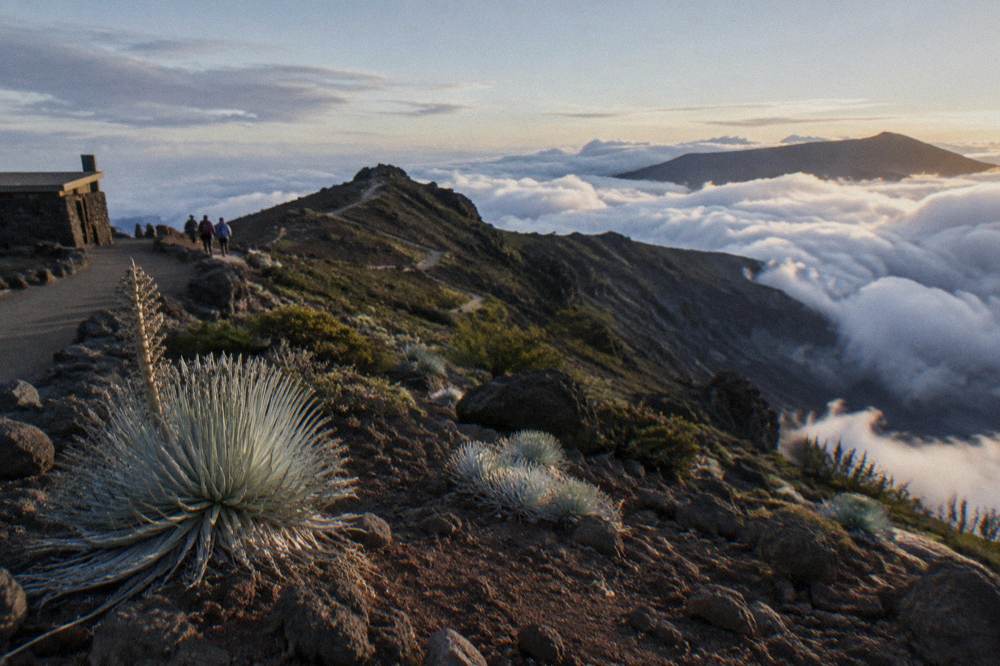
Crowds are the quieter difference. Sunrise concentrates everyone into the short window around the sun itself, capped by the 150-vehicle limit. Sunset arrivals spread across the afternoon, and the summit thins as the light drops. Guests on the Twilight Sunset with Dinner noted it "got really busy" near the top, so sunset is not empty; it is simply not metered by a ticket system. Stargazers get the thinnest crowds of all, since most day visitors drive down after the sun goes. The park's stargazing page asks visitors to bring warm layers, something to sit on, and to switch to red lights after dark.
The month table below shows why the two slots feel different through the year. Sunrise times move between 5:44 and 7:04 a.m. depending on month, which moves your alarm clock by more than an hour; sunset times move between 17:45 and 19:09, which mostly moves dinner.
| Month | Sunrise (15th, HST) | Sunset (15th, HST) | Practical read |
|---|---|---|---|
| January | 7:04 | 18:04 | Latest sunrise of the year; the gentlest alarm clock |
| February | 6:56 | 18:23 | Cold, often clear mornings |
| March | 6:35 | 18:35 | Rainy season tail end |
| April | 6:07 | 18:43 | Earlier alarms, longer evenings |
| May | 5:48 | 18:54 | Drier; one of the drier months on record |
| June | 5:44 | 19:06 | Earliest sunrise, latest sunset |
| July | 5:52 | 19:09 | Latest sunset of the year |
| August | 6:04 | 18:56 | Warm afternoons at the top |
| September | 6:12 | 18:29 | Trade-off month: later sunrise, earlier sunset |
| October | 6:20 | 18:02 | Evening cools fast after the sun |
| November | 6:35 | 17:45 | Earliest sunset; stargazing starts early |
| December | 6:53 | 17:47 | Long dark evenings for astronomy tours |
Those times are computed for the 15th of each month at sea-level horizon; the summit sees the sun a couple of minutes earlier at sunrise and later at sunset. The pattern matters for one specific decision: winter travelers get a 7:00 a.m. sunrise, which means a hotel pickup closer to 4:30 than 2:30. Summer travelers get the harshest alarms and the longest evening light.
What Do The Tours Actually Include?
Sunrise tours on the roster are longer, typically 7 to 10 hours, and most include breakfast plus stated park admission; sunset tours run 5 to 7 hours, with dinner on some listings and stated admission on others. The 9-Hour Sunrise with Breakfast includes hotel or condo pickup, park admission and a meal; the Small-Group Sunset Astronomy includes about 4 hours at 10,000 ft but no hotel pickup.
The inclusions table is where the price comparison gets decided, because a $30 gap can hide a meal, a pickup or three extra hours:
| Tour | Duration | Group | Meal | Hotel pickup | Park admission per listing |
|---|---|---|---|---|---|
| Maui: Haleakala National Park Sunrise Tour | 9 hours | Guided vehicle | Yes | Yes | Summit for sunrise |
| Maui: Haleakala Sunrise Spectacular with Local Breakfast | 10 hours | Coach, up to 72 | Yes | Yes | Included |
| Maui: Majestic Haleakala Sunrise Tour with Pick-up | 8 hours | Small coach, up to 22 | Yes | Yes | Included |
| Haleakala Classic Vehicle Sunrise Tour with Breakfast | 7 hours | Vehicle, up to 96 | Yes | No | Included |
| Haleakala Maui Sunset Twilight Tour with Dinner | 7 hours | Coach, up to 24 | Yes | Yes | About 1.5 hours in park |
| Haleakala Sunset and Astronomy Tour | 5 hours 30 | Small group, up to 8 | Not stated | No | About 4 hours at 10,000 ft |
| Maui: Haleakala Sunset Tour with Snacks and Photos | 5 hours | Small group | Not stated | No | Entry paid by operator |
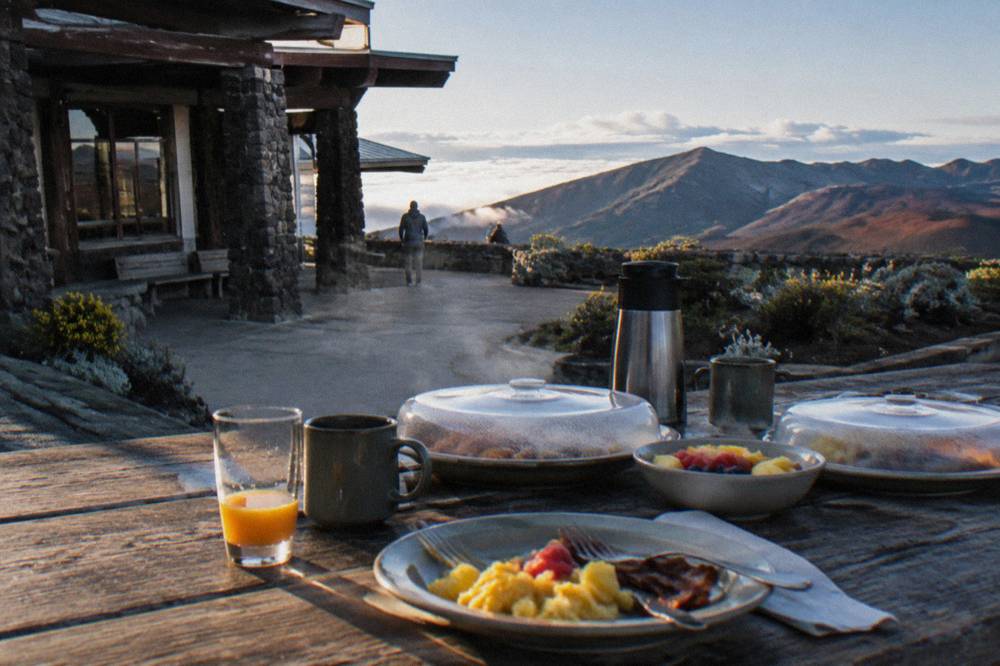
Read that table as a value ladder. The sunrise side buys you a longer day, a meal and, on most listings, stated park admission; the $30 per vehicle entrance fee is a real cost a self-driver pays separately, so a listing that states admission included is quietly worth more. The sunset side buys you a shorter commitment. Five hours with no pickup suits travelers with a rental car and an evening to fill; seven hours with dinner and pickup suits travelers who want the whole thing handled.
One review of the Classic Vehicle Sunrise tour captures what the longer sunrise products deliver: "It was more than worth getting up early". The same guest credits Corry, an entertaining guide, for lots of interesting information, recalls a stop along the way to take in the view of the Milky Way, and calls the sunrise spectacular, with the egg wrap at breakfast highly recommended. That is a sunrise tour doing four things at once: transport in the dark, a guide, the summit and a meal.
Cancellation terms matter equally on both slots, and they vary by listing. Every roster row in both categories states free cancellation per the listing, with the cutoff on the booking page; there is no blanket cutoff, so read the page for the tour you pick. Weather risk makes this more than fine print: the park does not refund the sunrise reservation for weather, and no operator promises a visible sun.
Sunrise Or Sunset: Which Should You Book?
Book sunrise if the summit-in-first-light moment is the reason you are going, if your group handles cold and early alarms, or if you want the largest, best-reviewed tour pool. Book sunset if you would rather not set a 3 a.m. alarm, want warmer summit temperatures and a chance at stars, or want a shorter, cheaper day. Families with young kids and anyone sensitive to altitude or cold lean sunset.
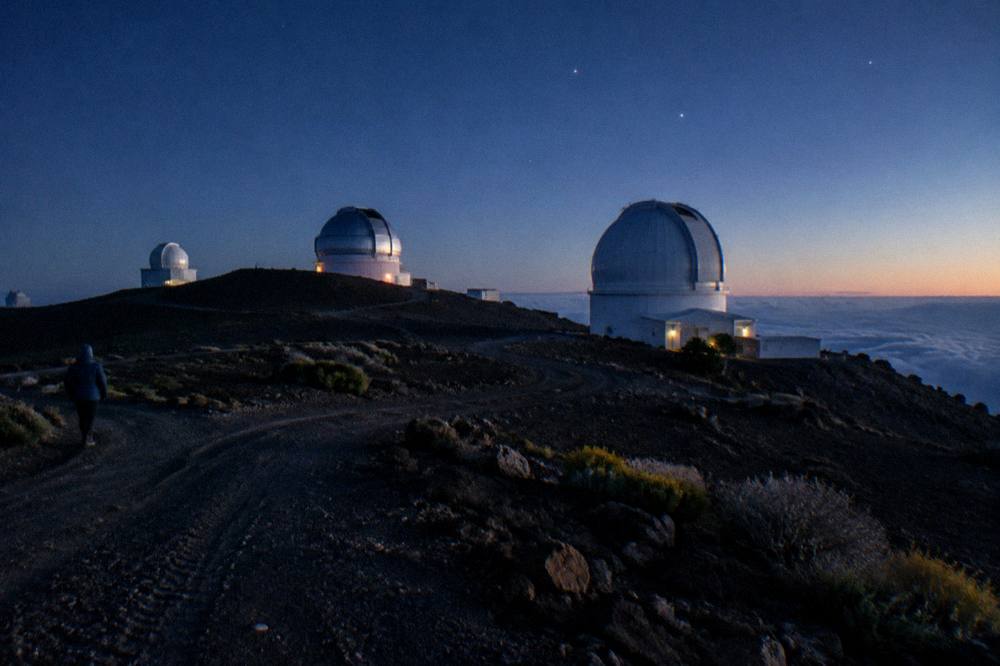
Put the decision in plain terms. The sunrise slot is the park's signature event, the one the reservation system exists to manage, and the one with the deepest tour market: five guided sunrise vehicle tours on this roster, including the two with the biggest review pools, 2,471 and 705 reviews. The cost is a pre-dawn pickup and summit temperatures that the park says commonly sit at 32 F or below before dawn. The sunset slot trades the famous moment for comfort, no reservation stress for self-drivers, warmer air and, on the astronomy tours, the night sky that the summit is genuinely famous for among stargazers.
A few traveler profiles map cleanly onto one slot. If you are combining Haleakala with a full island day, the sunset slot slots into the end of it; our Road to Hana vs Haleakala comparison covers why doubling up works better in one direction than the other. If sleep is the whole question, start with the sunset tours hub. If the reservation scramble put you off sunrise, the sunrise tours hub lists the guided options that remove it from your plate.
There is also a middle path worth naming: the sunrise downhill bike format, where a van takes you to the summit for sunrise and the ride itself starts below the park boundary at about 6,500 ft on the self-guided version. It costs from $273 per person, 4.7 across 777 reviews, and turns the cold summit hour into a warm descent. One guest review: "We had a great time despite socked in with clouds for the sunrise. The guide gave great directions, entertaining and the equipment was in great condition."
And for travelers who want the crater itself rather than either light show, a guided crater hike with a meal runs from $208 per person, 4.8 across 74 reviews, which is less than every vehicle tour on the roster. It is a different product, but it belongs in any honest comparison of how to spend a Haleakala day.
This site, Haleakala National Park Tours, exists to make exactly this kind of choice easier, with a full roster of verified live listings across both slots. Whichever way you lean, the same three tours below are the strongest starting points in each format: the nine-hour sunrise coach with breakfast, the small-coach sunset with dinner, and the small-group sunset astronomy tour.
Common Questions About Haleakala Sunrise Vs Sunset
Is it better to go to Haleakala at sunrise or sunset?
Neither is objectively better; they trade different things. Sunrise offers the famous first-light moment and the deepest tour selection, at the cost of a pre-dawn pickup, summit temperatures commonly at or below freezing, and a $1 per vehicle reservation if you drive yourself. Sunset offers warmer air, no reservation for self-drivers and a chance at stars, with a smaller and slightly cheaper tour pool.
Do I need a reservation for sunset at Haleakala?
No. The park states there is no reservation system for sunset viewing; you pay the entrance fee and drive up. The $1.00 per vehicle sunrise reservation applies only to vehicles entering the Summit District between 3:00 and 7:00 a.m.
Are sunset tours cheaper than sunrise tours?
Barely, at the entry level: the cheapest sunset listing on this roster starts from $222 per person against $236 for the cheapest guided sunrise vehicle tour. But the premium sunset products cost more than most sunrise coaches, with the Private Sunset with Dinner at from $314 per person. Inclusions, duration and pickup explain the spread better than the slot does.
Is sunrise at Haleakala too cold for kids?
It can be. The park states summit mornings commonly reach 32 F or below with wind chill on top, and sunrise tours stand outside waiting for light. One guest review of a sunrise coach tour with children aged 11 and 8 reports they loved it, but warm layers are non-negotiable. Sunset runs 50 to 60 F at the summit in the afternoon, which most families find easier.
Can a tour skip the sunrise reservation?
Do not think of it that way. The reservation rule applies to non-commercial vehicles in the four highest parking lots between 3:00 and 7:00 a.m.; tours run by NPS-authorized commercial operators operate under their own park authorization, so a tour traveler never books the reservation themselves. No listing states that the reservation is included as a purchased item.
Which slot is better for stargazing?
Sunset, clearly. Sunset tours end in darkness at 10,023 ft, and the small-group sunset astronomy tour spends about 4 hours at altitude with the night sky as a headline. Sunrise tours pass through darkness on the way up, and some guests report seeing stars and the Milky Way before dawn, but the format is built around the sunrise, not the sky.