How Much Does It Cost To Go To Haleakala Crater?
A full cost breakdown for visiting Haleakala Crater: the $30 vehicle entrance, the $1 sunrise reservation, the DIY drive total, and how that compares with tour prices from $146 per person.
The honest answer to a Haleakala Crater budget is that the park's own charges are small: $30 per private vehicle, good for three days and both districts, or $15 per person if you arrive on foot or by bicycle. The costs that actually move the total are the $1 sunrise reservation, the fuel and time of the drive, and whether you decide a tour is worth paying for instead of the wheel time yourself. The park's $15 per-person entrance pass applies if you arrive by bike, and tours listed here run from $145 per person to $1990 per group on this site, so nothing here is a guess. Once you know what the visit will cost, the natural next question is how long it takes, and our guide to planning your hours at Haleakala covers the drive, the sunrise window, and the crater hikes in detail.
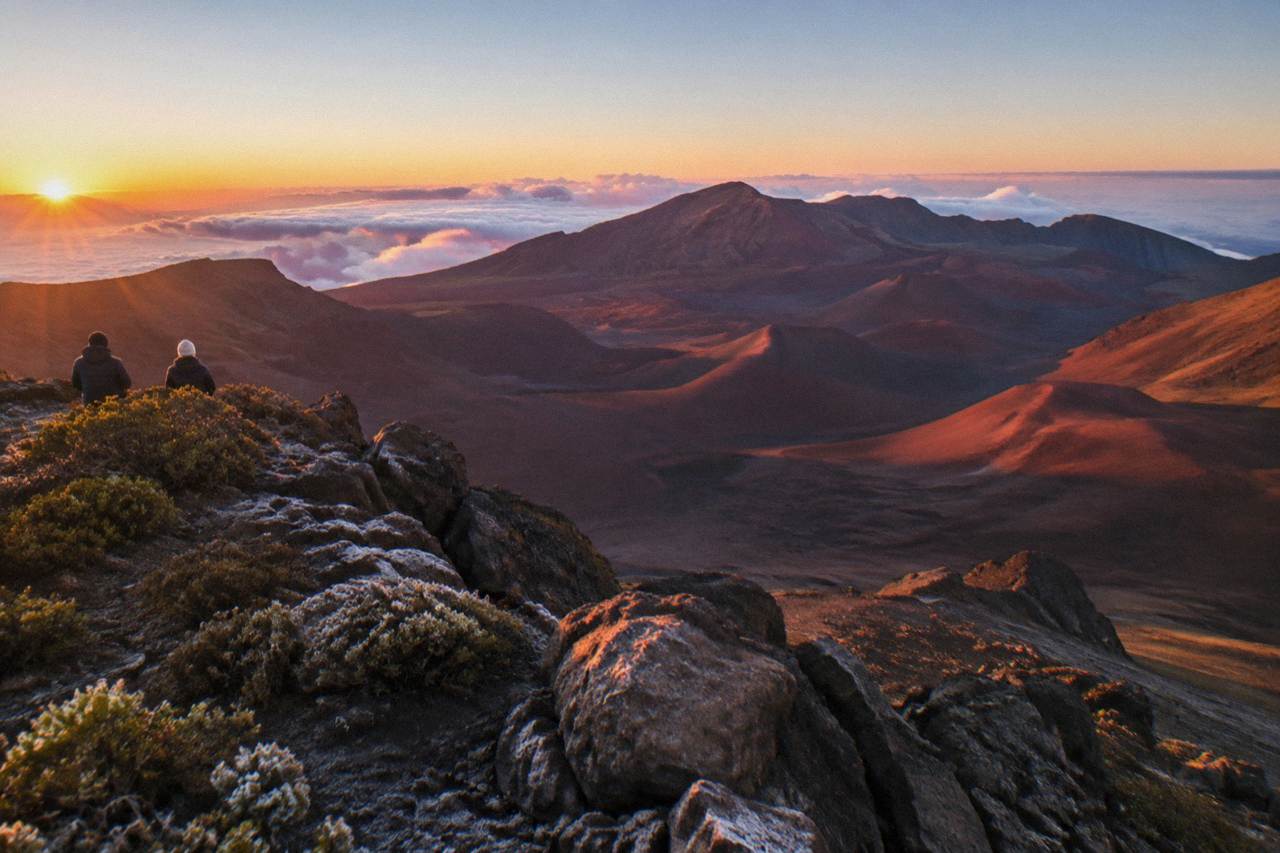
A quick note on what "going to the crater" means, because it changes the math. You can look into the crater for the price of entrance alone, from overlooks at 8,840 to 10,023 ft along Crater Road. Hiking into it is free once you are through the gate. The premium options, sunrise and guided descents, are where tour prices from $145 to $314 per person start appearing, and where a self-drive visit stops being obviously cheaper.
How Much Does It Cost To Go To Haleakala Crater?
A self-driving couple pays $31 total, covering the $30 vehicle entrance fee plus a $1 sunrise reservation, and a family of four in the same car pays that same $31 since the vehicle fee covers everyone; cyclists and hikers on foot each pay $15, and anyone arriving between 3:00 a.m. and 7:00 a.m. needs the extra $1 per-vehicle sunrise booking on top, with no other mandatory fees.
That $30 vehicle ticket is not a one-day pass. The park's fee page states it is valid for three days and covers both the Summit District, where the crater overlooks are, and the Kipahulu District past Hana. A visitor who pairs a crater sunrise with a later Pipiwai Trail day is effectively paying $15 per park day per car, which reframes the number considerably.
Passes change the picture for repeat or multi-park travelers. The Haleakala annual pass is $55, and the Hawai'i Tri-Park annual pass is also $55 and adds Hawai'i Volcanoes and Pu'uhonua o Honaunau. America the Beautiful passes apply as printed on the park's fees page: $80 for the resident annual version, $250 for the non-resident annual, with senior, military, access and fourth-grade passes free where eligible. One point the park is explicit about: fee-free days do not waive the sunrise reservation, and from 2026 those free days apply to US citizens and residents only.
If you want the deeper breakdown of every pass option, the Haleakala entrance fee and passes guide on this site works through each one, including the commercial vehicle rates.
Three listings bracket the realistic spend. The express self-guided bike descent runs from $146 per person, the 8-hour sunrise coach with breakfast from $236 per person, and the small-group sunset tour with snacks and photos from $222 per person. Each replaces a different slice of the DIY cost: transport, the pre-dawn drive, or the ride down after dark.
What The Park Charges, In One Table
Every dollar the National Park Service collects at Haleakala is listed on one official page, and the full set is five line items: $30 per vehicle, $25 per motorcycle, $15 per person on foot or by bicycle, and two $55 annual passes. There is no per-person charge when you arrive by car, no parking fee at the overlooks, and no separate crater access fee. The table below is the complete list.
Two details from the fine print are worth real money. The park takes no cash, credit and debit only, so a wallet of bills is useless at the entrance station. And the per-person $15 is the cyclist's rate, which matters to anyone comparing a bike descent against driving: the park's bicycling page states a cyclist needs that per-person pass, rides on paved roads only, and should treat hypothermia on the descent as a common hazard rather than a remote one.
| Fee or pass | Price | What it covers |
|---|---|---|
| Private vehicle | $30 | 3 days, Summit and Kipahulu Districts, everyone in the car |
| Motorcycle | $25 | 3 days, both districts |
| Per person, on foot or bicycle | $15 (16 and over) | 3 days, both districts |
| Sunrise reservation | $1.00 per vehicle | Entry to the Summit District, 3:00 a.m. to 7:00 a.m., every day |
| Haleakala annual pass | $55 | One year, this park |
| Hawai'i Tri-Park annual pass | $55 | One year, Haleakala plus two other Hawaii parks |
The cheapest legal visit remains one person on a bicycle, covered by the $15 per-person entrance pass., and the cheapest carload is as many people as you can legally seat for $30. The park prices the vehicle, not the passengers.
The $1 Sunrise Reservation: Small Number, Big Consequence
The sunrise reservation costs $1.00 per vehicle, is sold only on recreation.gov, and is required for every non-commercial vehicle entering the Summit District between 3:00 a.m. and 7:00 a.m. It is released up to 60 days ahead at 7:00 a.m. HST, with a further portion two days out, and the park states inventory often sells out within fifteen minutes. It is not refunded for weather, and there are no phone sales.
The dollar figure is almost comically small next to a Maui trip budget, which is exactly why it trips people up. A traveler who budgets $200 for a crater morning but skips the reservation discovers the hard part is not money: it is the 7:00 a.m. HST release window and the speed at which the 150-vehicle capacity for the four sunrise viewing areas disappears. The park's sunrise reservations FAQ is the source for every one of those limits, and the recreation.gov facility page is where the booking actually happens.
The reservation applies to non-commercial vehicles parking in the four highest lots during the sunrise window. Tours run by NPS-authorized commercial operators operate under their own park authorization, which is a separate arrangement from the visitor reservation, and no listing on this site states that it includes the sunrise vehicle reservation. Anyone driving themselves needs to book it on recreation.gov.
One sunrise reservation per customer per three-day period, valid only for the reserved day, is the limit, so a backup-morning strategy means planning around the release schedule rather than buying several. This site keeps a fuller walkthrough in the Haleakala sunrise reservations guide, including the release mechanics and what to do if you miss the 60-day window.
The Real DIY Total: Fuel, Time And The Drive Nobody Prices
A self-drive crater morning costs $31 in park fees for a car plus roughly two to five hours of round-trip driving depending on where you start. The park's own estimates are 45 minutes to 1 hour from Kahului, 1 to 1.5 hours from Kihei, and 1.5 to 2 hours from Lahaina, with another 30 minutes from the entrance gate to the summit lots. Fuel, warm layers and breakfast push the true total higher.
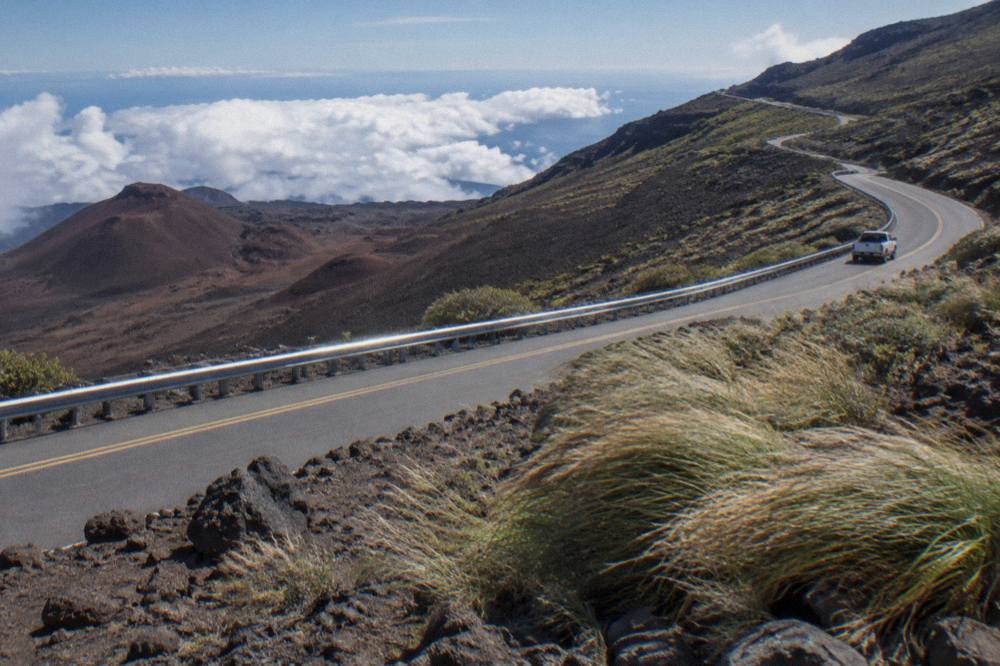
The park prices these numbers itself on its FAQ page, and they deserve a row in any honest budget. The entrance-gate-to-summit leg is 11 miles of paved road that the park notes has no streetlights and no guard rails, driven before dawn in temperatures commonly below freezing. The Haleakala summit weather guide covers what that means for clothing, which is frequently the hidden line item: a visitor from a warm beach condo often owns nothing suitable for a 32 F summit morning, and a jacket purchase can rival the entrance fee.
| Starting point | Drive to Summit District (park estimate) | Add for gate to summit | Round trip in the dark, roughly |
|---|---|---|---|
| Kahului | 45 minutes to 1 hour | about 30 minutes | 2.5 to 3 hours |
| Kihei | 1 to 1.5 hours | about 30 minutes | 3 to 4 hours |
| Lahaina | 1.5 to 2 hours | about 30 minutes | 4 to 5 hours |
There is no gas and no food sold inside the park, the summit district page states emergency help is at least an hour away, and there is no cell service in the crater. None of those add dollars directly, but a breakfast you did not pack and a fuel stop you did not plan both do. A sunrise DIY trip that starts in Lahaina can mean close to ten hours door to door for a three-minute sunrise window, and a growing number of visitors decide that a driver, breakfast and a warm coach is what their money should buy.
This is the decision the rest of this article prices out: the park fee is fixed, the reservation is fixed, and the only genuinely variable line is who does the driving.
What A Tour Costs, And What It Replaces
Tour prices on this site run from $145 per person to $1990 per group, with private trips at the top of that range, with private and helicopter options above that, and every one of those prices replaces the DIY line items rather than adding to them: the $30 vehicle fee, the $1 reservation, the pre-dawn drive, and usually a meal. Whether a tour is expensive depends entirely on how much of the drive and the dark you were going to pay for anyway.
The full-coach sunrise with breakfast, the Sunrise Coach with Local Breakfast listing from Polynesian Adventure Tours, is from $254 per person, rated 4.7 from 2,471 reviews, and includes hotel pickup from select Maui hotels, park admission per the listing, and breakfast over ten hours. For a Lahaina traveler that price covers what would otherwise be a five-hour round trip in the dark, and the listing's own review pool is large enough that the rating carries real weight.
One guest review on that listing reads: "Such a great experience. We went with our 2 kids aged 11 and 8. They loved it too! We were picked up at our resort. Everyone slept most of the way up there until we got close. It was beautiful. Then we had a delicious breakfast and got to walk around the Maui tropical plantation." That slept-most-of-the-way detail is exactly what the fare buys on a coach: the pre-dawn hours become someone else's problem.
The small-coach alternative, the Small-Coach Sunrise Breakfast listing from Valley Isle Excursions, is from $264 per person, 4.8 from 705 reviews, capped at 22 travellers, with South and West Side hotel pickup. And the 9-Hour Sunrise with Breakfast from Skyline Hawaii, from $236 per person and 4.7 from 678 reviews, picks up at hotels or condos island-wide. The site's Haleakala sunrise tours hub compares all of them side by side. Free cancellation appears on these listings, but the cutoff varies per listing, so read the booking page before counting on it.
| Tour | Price per person | Rating and reviews | What it replaces |
|---|---|---|---|
| Express self-guided bike descent | from $146 | 4.7 from 273 reviews | Van transport to the park area, the descent itself |
| 8-Hour Sunrise Coach Breakfast | from $236 | 4.3 from 175 reviews | Pre-dawn drive, breakfast, admission |
| Sunset with snacks and photos | from $222 | 4.4 from 32 reviews | Evening drive, guiding, park entry paid by operator |
| Sunrise Coach, Local Breakfast | from $254 | 4.7 from 2,471 reviews | Drive, breakfast, admission, hotel pickup |
| Small-Coach Sunrise Breakfast | from $264 | 4.8 from 705 reviews | Drive, breakfast, small-group format |
Notice what the table is really showing. The price spread across the standard options is real, but the spread in what you give up or keep is larger: the $146 listing is a daytime descent without a summit sunrise, while the $254 coach is a ten-hour all-in morning. On Haleakala National Park Tours, the comparison we publish always pairs price with duration and inclusions, because a bare number misleads in both directions.
The Budget Path: Bike Descent Pricing Explained
The cheapest tour on this site is the Haleakala Express Self-Guided Bike Tour at from $146 per person, a five-hour daytime van transfer and self-guided descent that skips the summit sunrise entirely, and the price gap between it and the sunrise bike tours, $273 to $318, is essentially the price of getting you to the summit before dawn. For cost searchers, this is the clearest single comparison on the roster.
The express listing, run by Bike Maui and Haleakala EcoTours and rated 4.7 from 273 reviews, is a daytime ride: van transfer from the shop to the national park area, then the ride down the crater road, self-guided, with no hotel pickup. The sunrise self-guided version from the same operator, from $273 per person and 4.7 from 777 reviews, takes you by van to the summit for sunrise first, then the self-guided bike ride down from about 6,500 ft at the park boundary. The guided sunrise bike tour, from $318 per person and 4.6 from 290 reviews, adds a guide for the descent.
A guest review on the express listing captures the value case: "Excellent driver, Nokum, and tour guide, Tim. Loved the non-pressure of a self-guided trip. Received great instructions of how to get back to bike shop. Weather was beautiful! Had not been on a bike for at least 5 years and was surprisingly comfortable getting back on saddle." No sunrise alarm, no reservation scramble, and a price under $150 in a market where the median crater tour sits in the mid-$200s. If you are weighing whether the descent itself is worth it, the site's is biking down Haleakala worth it post works through the ride quality question, and the Haleakala bike tours hub lists every option.
The park's own bicycling rules still apply to riders: paved roads only, no bike lane, the $15 per-person entrance rate for independent cyclists, and hypothermia listed as common on the descent. Tour listings handle transport and equipment; the cold is on you either way, and layers cost money wherever you buy them.
Sunset And Stargazing: The No-Reservation Bargain
Sunset viewing needs no reservation at all, only the standard entrance fee, which makes a sunset crater visit the cheapest premium experience in the park: $30 per car for as many people as it seats, no 7:00 a.m. HST release window, no fifteen-minute sellout, and the same crater views under evening light. Tours in this window run from $222 to $314 per person, and they mostly sell guiding, telescopes and dinner rather than access.
The no-reservation point comes straight from the park's sunrise FAQ, which states plainly that there is no reservation system for sunset viewing. For a cost-conscious traveler this is the arbitrage: the sunset experience over the crater costs the same $30 vehicle fee as a midday visit and vastly less hassle than the sunrise booking race. The trade, as always at 10,023 ft, is weather, and the park's guidance is that it is often wet, windy and below freezing before dawn and after dusk.
The paid options structure themselves around that. The Sunset, Snacks and Photos listing from MauiHoppin, from $222 per person and 4.4 from 32 reviews, includes park entry paid by the operator. The Twilight Sunset with Dinner coach tour from Polynesian Adventure Tours, from $257 per person and 4.4 from 263 reviews, adds a meal. The Small-Group Sunset Astronomy listing from Amazing Maui Stars, from $245 per person, holds a 5.0 rating from 57 reviews for up to 8 travellers and spends about four hours at altitude around 10,000 ft with telescopes, a genuinely different product from a coach sunset.
The site's Haleakala sunset tours guide and Haleakala stargazing tours guide split this category in full. The honest cost framing: sunset DIY is the best value in the park, and sunset tours are a comfort and knowledge purchase, not an access purchase.
Hidden Costs And Costs People Assume Exist But Do Not
Three real hidden costs show up repeatedly: warm clothing bought on island for a below-freezing summit morning, food and fuel because the park sells neither, and forfeited bookings when weather closes in, since the park does not refund the sunrise reservation for weather. Three assumed costs do not exist: no parking fee at the overlooks, no per-person charge in a vehicle, and no separate crater or trail fee beyond the ones already listed.
The clothing line item deserves emphasis because it is the most commonly missed. The park states summit temperatures run about 30 F cooler than the coast and commonly reach 32 F or below before dawn. A traveler whose luggage is beach wear is facing a jacket, beanie and gloves purchase that can exceed the entrance fee for the whole car. The site's how to dress for Haleakala sunrise post was written for exactly this gap.
The weather risk costs money in a second way. The $1 sunrise reservation is not refunded or exchanged for weather, per the FAQ, and the park's own phrasing is that it does not close unless weather is extreme and hazardous. A tour listing marked free cancellation has a cutoff that varies by listing, so the booking page, not a summary, is the authority. The site's is the Haleakala sunrise tour worth it analysis treats the weather-forfeit risk as part of the price.
On the savings side, the park itself is the budget provider. Hosmer Grove is a short loop, the first overlook of Sliding Sands is 0.5 mile round trip, and sunset and stargazing from the summit carry no reservation at all. The site's free things to do at Haleakala guide lays out how far a single $30 vehicle fee stretches when the crater, not a coach seat, is the goal.
The Verdict: DIY Or Tour, By Total Cost
By total cost, two or more people in one car pay $31 in park charges plus fuel and time, while the cheapest tour starts at $146 per person and the typical sunrise coach runs $236 to $264, so the DIY route costs far less for groups. Solo travelers and anyone unwilling to drive the dark road at 3:00 a.m. will usually find the tour premium small for what it replaces.
The crossover math is worth doing honestly. Two people on the Sunrise Coach with Local Breakfast pay two tour fares at the from price of $254 per person each, before gratuity. The same two people self-driving spend $31 in fees, perhaps $30 in fuel from Lahaina round trip, and whatever their breakfast and jackets cost, but they also spend ten hours of their own attention and they must win the recreation.gov release. Four people in one car change it again: the vehicle fee is flat, so the DIY total barely moves while the tour total doubles with headcount.
No option on this site is "the best" by price alone, and the small review pools on a few listings, like the private sunset tour at 7 reviews or the sunset snacks tour at 32, mean ratings there describe thin samples rather than consensus. What the verified numbers do support: the park's own charges are the cheapest and most predictable part of any Haleakala Crater trip, the sunrise reservation is a scarcity problem dressed as a dollar problem, and the tour market gives you a clean ladder from $146 to the mid-$300s depending on how much of the morning you want to outsource.
Common Questions About Haleakala Crater Costs
How Much Does It Cost To Go To Haleakala Crater?
Counting only park charges, $30 per private vehicle for three days covering both districts, or $15 per person on foot or by bicycle. If you drive yourself in for sunrise between 3:00 a.m. and 7:00 a.m., add the $1.00 per-vehicle reservation from recreation.gov. Tours replace the drive and fees and run from $145 to $314 per person on this site's roster.
Is the sunrise reservation included in a tour?
No listing on this site states that it includes the sunrise vehicle reservation. Tours run by NPS-authorized commercial operators operate under their own park authorization, which is a separate arrangement. A traveler who drives themselves needs to book the $1 reservation on recreation.gov.
Can I visit the crater for free?
Not outside fee-free days, which from 2026 apply to US citizens and residents only, and even those days do not waive the sunrise reservation. The cheapest paid entry is $15 per person on foot or by bicycle. Once inside, the overlooks, the Hosmer Grove loop and the first Sliding Sands overlook cost nothing extra.
Why is the $1 reservation so hard to get?
Because capacity is about 150 vehicles across the four sunrise viewing areas and inventory often sells out within fifteen minutes of the 7:00 a.m. HST release. The reservation is sold only on recreation.gov, released up to 60 days ahead with a portion two days out, and there are no phone or in-person sales.
Is a tour cheaper than driving myself?
Rarely cheaper in raw dollars for a group in one car, since the vehicle fee is $30 regardless of headcount. Tours from $146 per person become competitive for solo travelers, for anyone staying far from the summit, or when you value the driver, breakfast, warm coach and included admission at more than the price gap.
Does the entrance fee cover both districts?
Yes. The $30 vehicle ticket is valid for three days and covers the Summit District, where the crater overlooks are, and the Kipahulu District past Hana, per the park's fee page. No cash is accepted, credit and debit only.