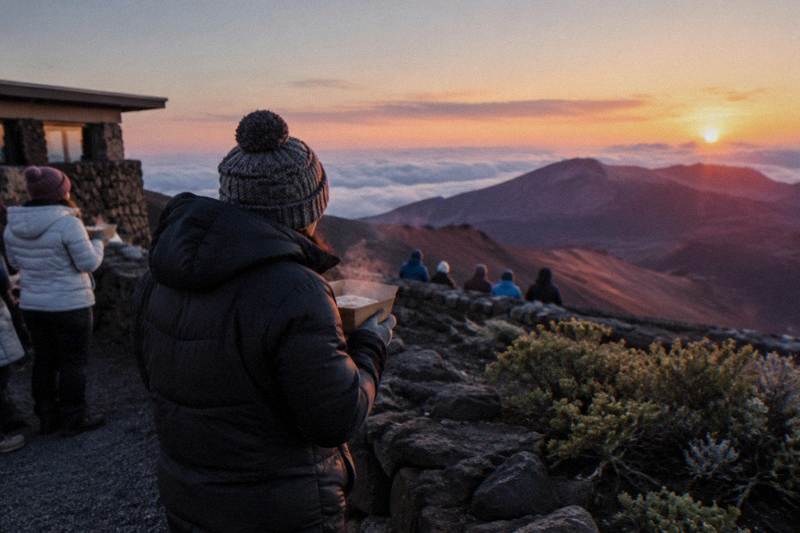
What To Do At Haleakala In One Day: A Plan From Sunrise To Stars
One day is enough to see sunrise above the clouds, stand inside the crater, and watch the stars come out over Maui, if the timing is planned around the park's sunrise window, its one road, and its 10,023 ft summit.
Short answer
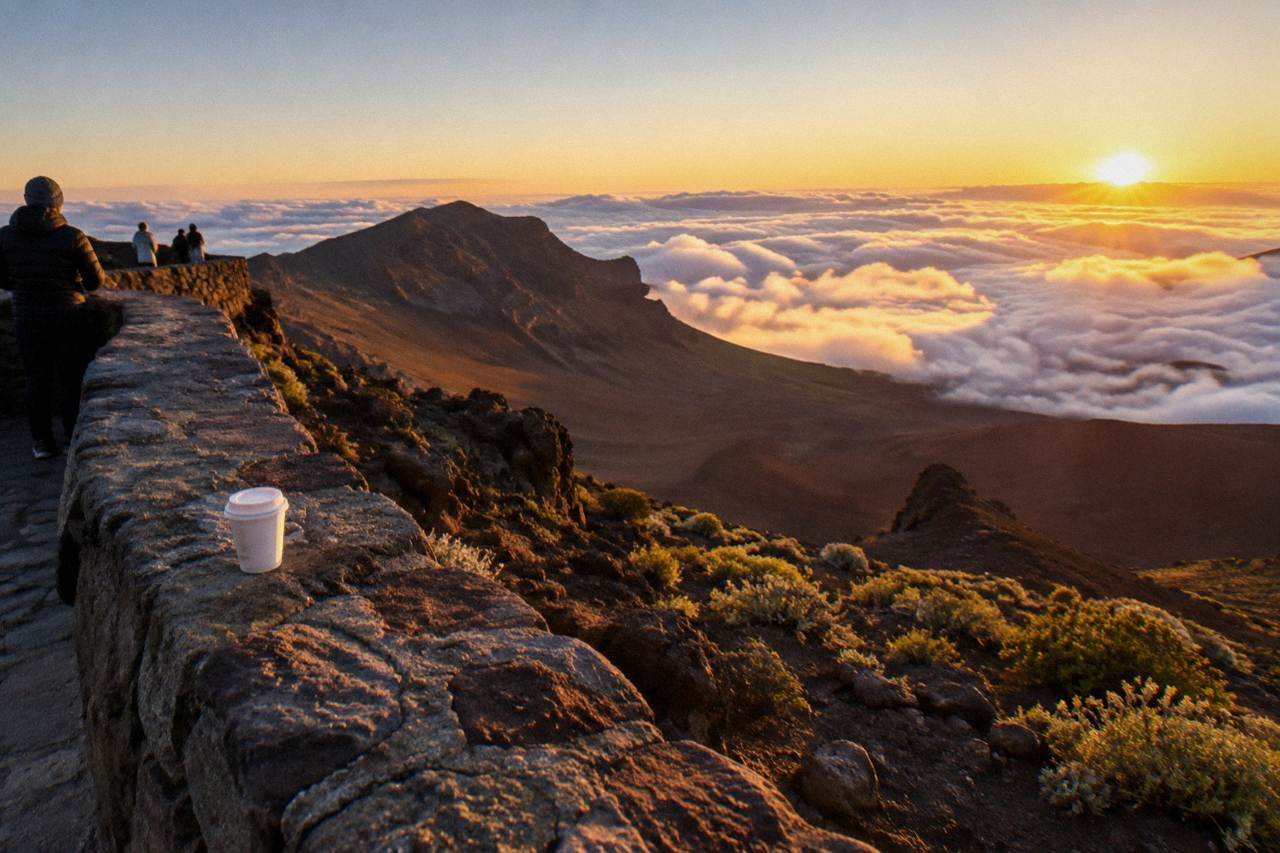
A full Haleakala day runs roughly 3:30 a.m. to 8:00 p.m.: summit sunrise, a morning crater hike or short trail, the crater road overlooks in the afternoon, then sunset and stargazing from the same district. Coach sunrise tours run from $236 per person, guided crater hikes from $208, and sunset tours from $222.
One day in Haleakala National Park can start at 10,023 feet in the dark and end under the Milky Way, because both the sunrise and the star shows happen in the same Summit District, on the same road, with no reservation needed after 7:00 a.m. The park keeps unusual hours for visitors: every non-commercial vehicle entering the Summit District between 3:00 a.m. and 7:00 a.m. needs a $1.00 sunrise reservation from recreation.gov, and that reservation often sells out within fifteen minutes of release. After 7:00 a.m., and for all of sunset and stargazing, no reservation applies at all.
The plan below lays out the full day in order, then compares the tour options that slot into each block, from the coach sunrise with breakfast to the small-group sunset astronomy tour. Prices are per-person "from" rates, ratings come from traveler reviews, and the live booking page has current totals, because dates and group sizes move the number.
What Can You Do In Haleakala National Park In One Day?
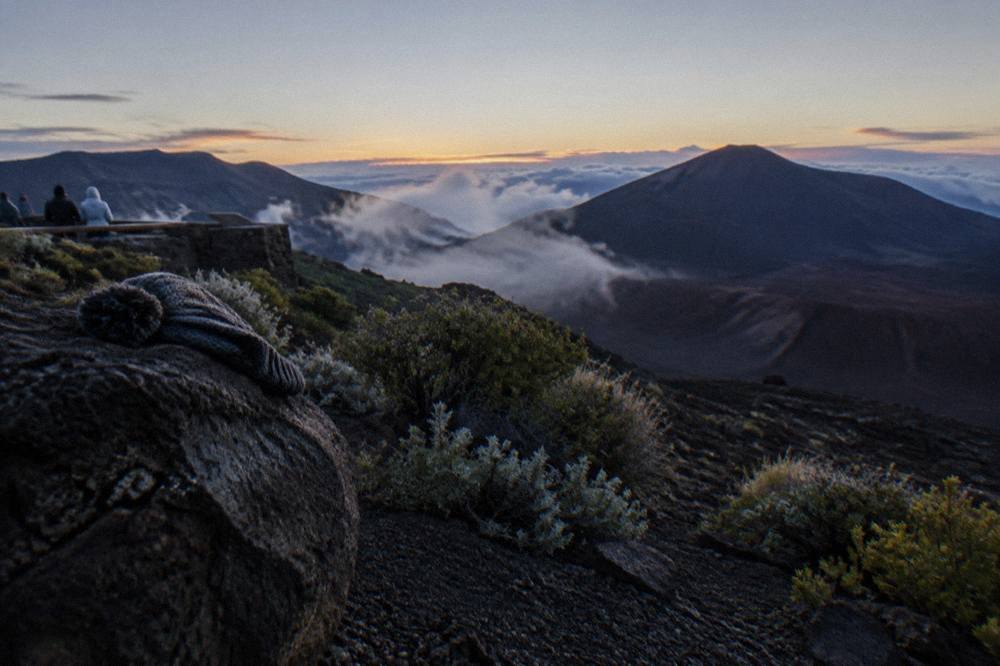
You can fit summit sunrise, a short crater hike, the crater road overlooks, sunset and stargazing into a single day, because everything sits along one paved road in the Summit District. The day runs roughly 3:30 a.m. to 8:00 p.m. in summer and a little tighter in winter, and the only hard gate is the 3:00 to 7:00 a.m. reservation window that applies to private vehicles.
The Summit District is compact in a way first-time visitors don't expect. The entrance station outside Kula sits 11 miles and about 30 minutes of paved switchbacks below the summit, and the four sunrise viewing areas sit at 10,023, 9,740, 9,324 and 8,840 feet along that single road. Once you are up there, nothing on the day's list is more than 40 minutes of driving apart.
The realistic shape of the day looks like this:
| Time block | Activity | Where |
|---|---|---|
| 3:30 to 6:00 a.m. | Drive up in the dark, arrive at a viewing area before first light | Pu'u 'Ula'ula or Haleakala Visitor Center |
| 6:00 to 7:30 a.m. | Sunrise, then breakfast or the visitor center area | Summit District |
| 8:00 to 11:00 a.m. | Crater hike or a coach tour's included stops | Sliding Sands trailhead at 9,740 ft |
| 11:00 a.m. to 3:00 p.m. | Crater road overlooks, Hosmer Grove loop, lunch outside the park | Leleiwi and Kalahaku overlooks |
| 3:00 to 6:00 p.m. | Descend partway, or stay high for the afternoon light | Summit District |
| 6:00 to 8:00 p.m. | Sunset, then dark-sky stargazing from the same lots | Summit viewing areas |
The sunrise time itself moves through the year: about 5:44 a.m. in mid-June and about 7:04 a.m. in mid-January, computed for the 15th of each month at sea-level horizon. In deep winter the "early start" is not actually early at all, which frees the front of the day. How much time the whole visit needs depends on how many of these blocks you take, a question we break down in how much time you need at Haleakala.
Start At The Summit: Sunrise At 10,023 Feet
Sunrise is the anchor of a one-day visit, and it needs the most planning: a $1.00 per-vehicle reservation from recreation.gov for entry between 3:00 and 7:00 a.m., released up to 60 days ahead at 7:00 a.m. HST with a portion held back until two days out. Inventory often sells out within fifteen minutes, so set an alarm for the release rather than checking the day before.
The reservation is separate from the entrance fee and applies to non-commercial vehicles parking in the four highest lots. Bring photo ID and the confirmation to the entrance station; there are no phone or in-person sales, and the fee is not refunded for weather, which matters because the summit regularly sits above or inside the clouds and no morning guarantees a visible sunrise. Fee-free days do not waive the reservation.
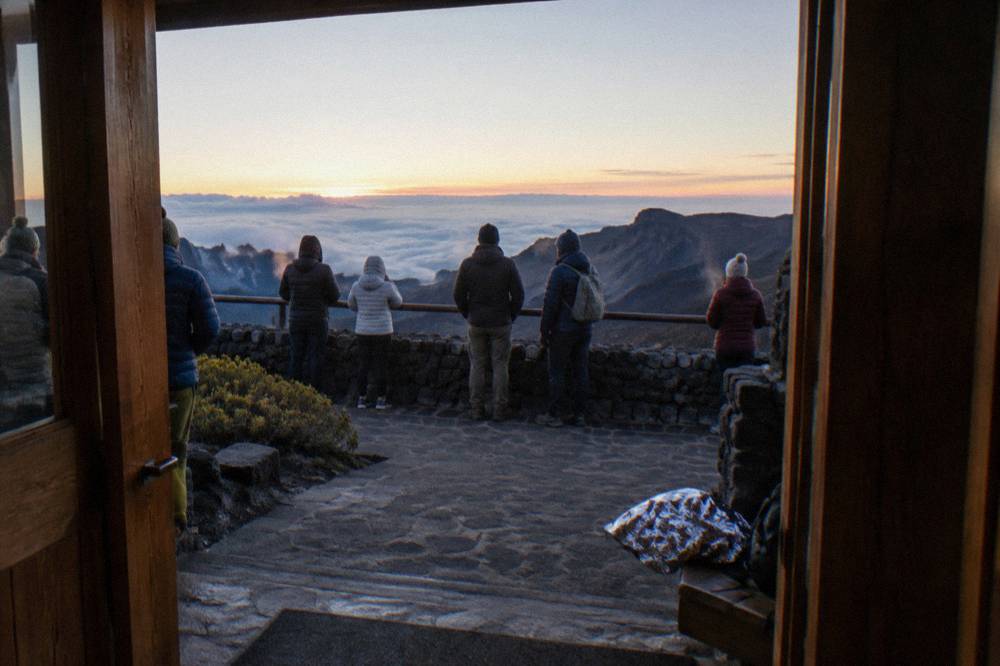
Tours run under different rules. The coach and van sunrise tours on this site are operated by NPS-authorized commercial operators, which run under their own park authorization rather than the recreation.gov vehicle reservation. That is the practical argument for a tour when the reservation window has passed: the Sunrise Coach with Local Breakfast from Polynesian Adventure Tours, 4.7 from 2,471 reviews, from $254 per person, and the Small-Coach Sunrise Breakfast from Valley Isle Excursions, 4.8 from 705 reviews, from $264 per person, both include hotel pickup, park admission and breakfast.
One guest review on the small-coach listing captures the practical side: "Jeff was a super knowledgeable tour guide. Everything was super tight. From the pickup time. To the timing of breakfast and the drop off. Very well run. And of course the experience is one I'll never forget. Dress warmer than you think. It's freezing on top of the mountain!"
For a fuller comparison of the morning options, the Haleakala sunrise tours guide lists every coach and small-group listing side by side.
Morning Options: A Coach Tour With Breakfast Or A Crater Hike
Once the sun is up, the morning splits into two paths: ride back down with a coach tour that feeds you breakfast, or stay at altitude and walk into the crater on the Keonehe'ehe'e, or Sliding Sands, trail, whose first overlook is only 0.5 mile round trip with 50 feet of elevation change. Guided crater hikes with a meal run from $208 per person, coach sunrise tours with breakfast from $236.
The hike deserves the morning slot for a reason the park states plainly: hiking out takes about twice as long as hiking in, because of the loose sand and cinders and the altitude. Trails here run between 9,780 and 6,380 feet, the summit area is strenuous from lower oxygen alone, and the park warns that nausea, headache, dizziness and shortness of breath are real possibilities, with pregnant visitors and people with heart or respiratory conditions advised to consult a doctor. Starting early means finishing while you still have afternoon left.
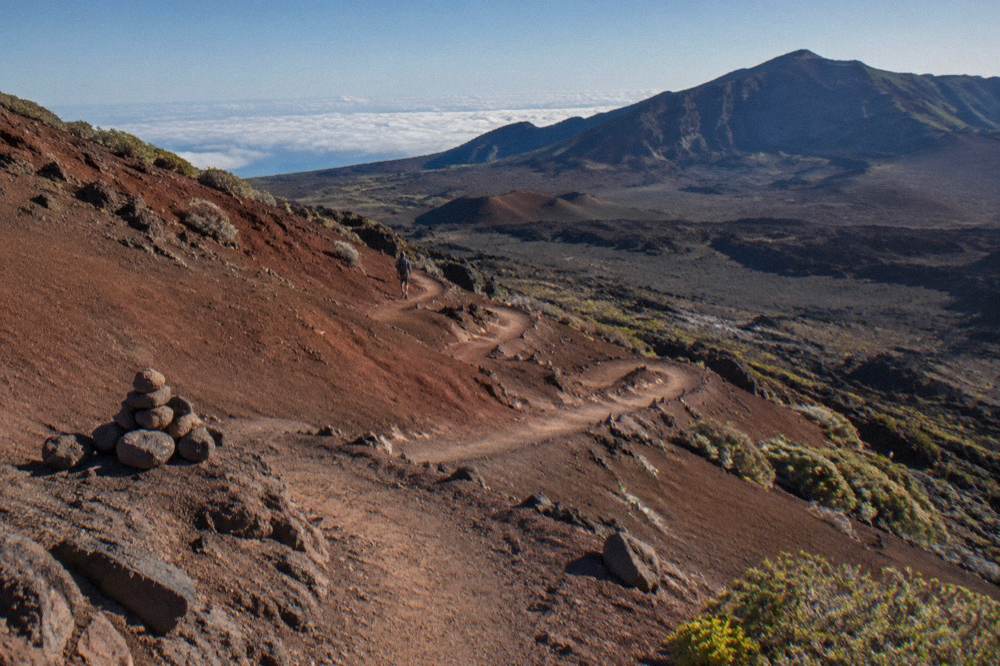
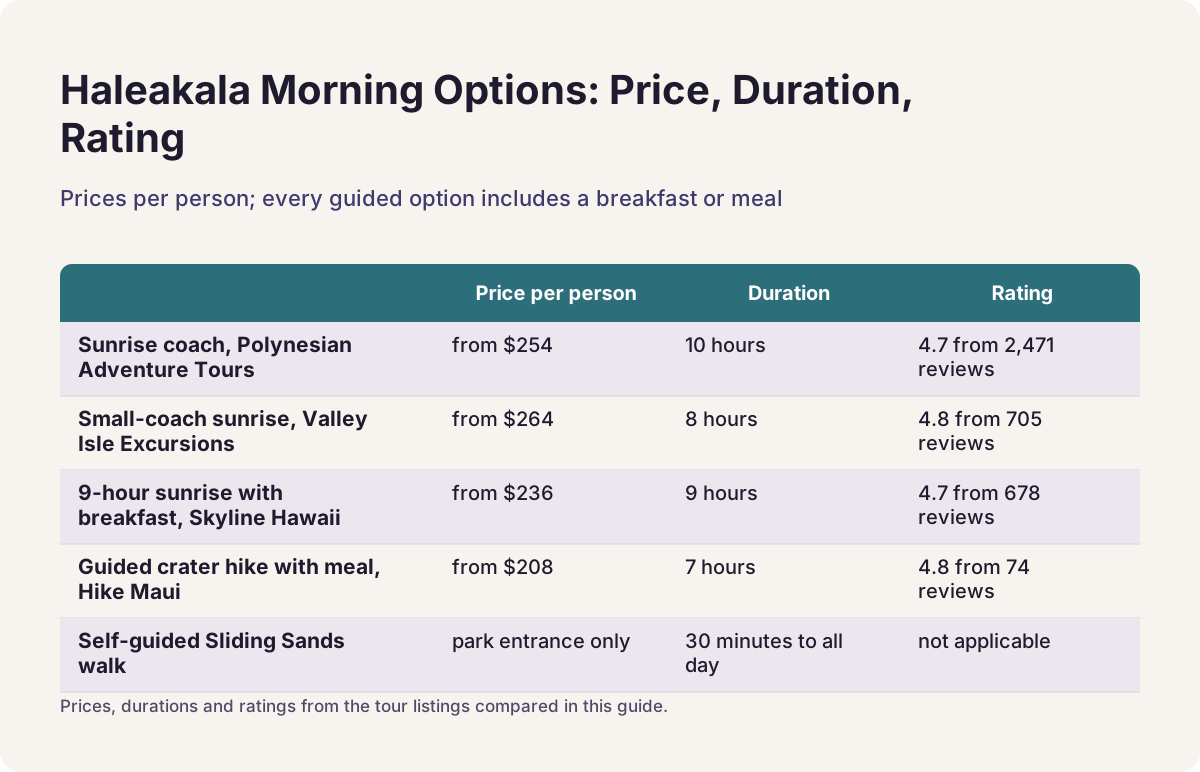
The guided option is the Haleakala Crater Hiking Experience from Hike Maui, 4.8 from 74 reviews, from $208 per person, a 7-hour small-group hike in the Sliding Sands area with a minimum of four travellers to run and a meal included. We compared the listings, and it is the only dedicated guided crater hike on the roster, so the decision is really guided versus self-guided rather than which operator.
| Morning option | Listing | Price per person | Rating | Duration | Breakfast or meal |
|---|---|---|---|---|---|
| Sunrise coach, local breakfast | Polynesian Adventure Tours | from $254 | 4.7 from 2,471 reviews | 10 hours | Yes |
| Small-coach sunrise breakfast | Valley Isle Excursions | from $264 | 4.8 from 705 reviews | 8 hours | Yes |
| 9-hour sunrise with breakfast | Skyline Hawaii | from $236 | 4.7 from 678 reviews | 9 hours | Yes |
| Guided crater hike with meal | Hike Maui | from $208 | 4.8 from 74 reviews | 7 hours | Yes |
| Self-guided Sliding Sands walk | None needed | park entrance only | not applicable | 30 minutes to all day | Bring your own |
The trail itself is described in detail, with distances and the crater-crossing logistics, in the Sliding Sands trail guide. If the full 11-mile crossing to Halemau'u tempts you, that is its own full day, not a slot in this one.
Afternoon: The Crater Road Overlooks And Short Trails
The afternoon belongs to the 11 miles of crater road between the entrance station and the summit: Kalahaku Overlook at 9,324 feet, Leleiwi Overlook at 8,840 feet with its 10-minute walk from the lot, and the 0.54-mile Hosmer Grove loop near the campground at the 7,000-foot level. All of it is free once the entrance fee is paid, and none of it needs a reservation.
Kalahaku and Leleiwi are the quiet answers to the crowded summit. Leleiwi in particular can put you at eye level with the crater floor and, on the right afternoons, with the cloud inversion layer below the rim. The Summit District page notes practical limits that shape the afternoon: there is no gas, no food and no EV charging anywhere in the park, and emergency help is at least an hour away, so lunch means driving back down to Kula or packing one in.
Plan the fuel stop and the food stop before you enter, and check the current park conditions page that morning. Weather, not a schedule, decides what is open and what is visible; the park's own guidance is that conditions change and can close areas without much notice, and no tour or plan promises a clear view.
A different afternoon shape is the downhill bike ride. The self-guided sunrise bike tour from Bike Maui and Haleakala EcoTours, 4.7 from 777 reviews, from $273 per person, takes you by van to the summit for sunrise, then a self-guided bike ride down from about 6,500 feet at the park boundary, not inside the park. It pairs naturally with a one-day plan if you would rather descend the mountain under your own steering than drive it. "We had a great time despite socked in with clouds for the sunrise," one guest review reads. "The guide gave great directions, entertaining and the equipment was in great condition."
Sunset And Stargazing: The No-Reservation Half Of The Day
Sunset needs no reservation at all, and stargazing from the summit lots is free with your entrance fee, which makes the evening the easiest block of the day to add. Sunset shifts only about an hour here, from 6:04 p.m. in January to 7:06 p.m. in June, computed at 18:02 in mid-October and 19:06 in mid-June, and true darkness follows within about an hour.
The same four lots that host sunrise crowds at dawn host a much thinner crowd at dusk. The park's stargazing guidance is simple: dress warmly, bring something to sit on, bring snacks, and switch to red light rather than white after dark. Before dawn and after dusk the summit is regularly wet, windy and below freezing, the road has no streetlights and no guard rails in places, and the drive down in the dark deserves the same care as the drive up.
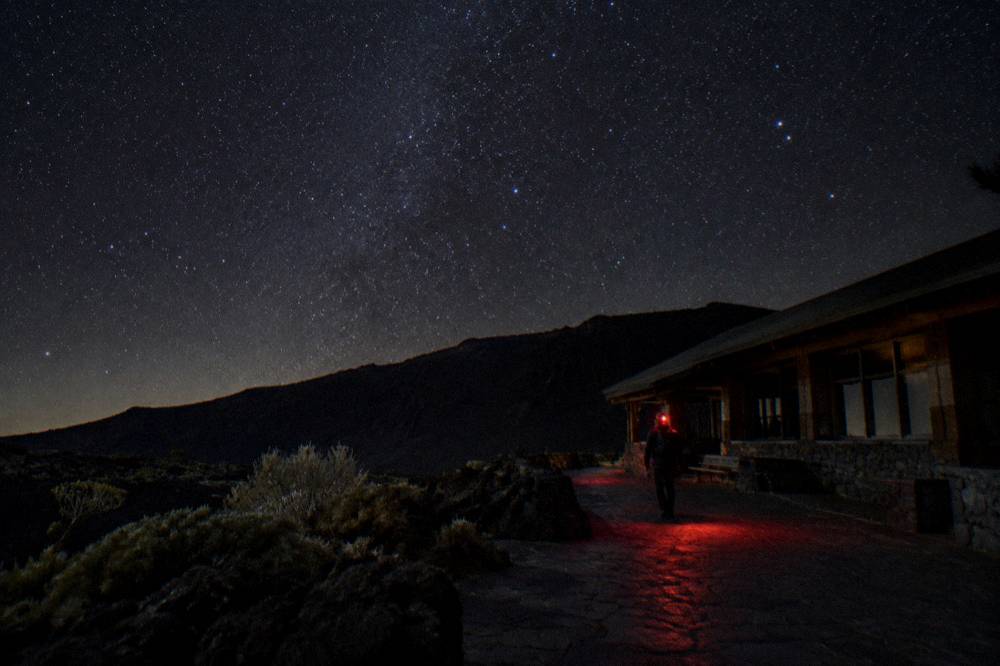
Tours exist for the evening too, and they solve the dark-drive problem. The Twilight Sunset with Dinner from Polynesian Adventure Tours, 4.4 from 263 reviews, from $257 per person, runs about 1.5 hours in the park with dinner included. One guest review is direct about the value: "Amazing experience and totally worth it. Glad we did the tour bus and didn't drive ourselves. It got really busy and it's a long drive! Sunset is 1000xs better than sunrise, too!" The sunrise-versus-sunset question, with the full argument on both sides, is covered in Haleakala sunrise versus sunset.
| Evening option | Listing | Price per person | Rating | Duration | Dinner or snacks |
|---|---|---|---|---|---|
| Twilight sunset with dinner | Polynesian Adventure Tours | from $257 | 4.4 from 263 reviews | 7 hours | Dinner |
| Small-group sunset astronomy | Amazing Maui Stars | from $245 | 5 from 57 reviews | 5 hours 30 minutes | Not stated |
| Private sunset with dinner | Bike Maui and Haleakala EcoTours | from $314 | 4.3 from 29 reviews | 6 hours | Dinner |
| Sunset, snacks and photos | MauiHoppin | from $222 | 4.4 from 32 reviews | 5 hours | Not stated |
| Self-drive sunset and stars | None needed | entrance fee only | not applicable | Your call | Bring your own |
The Small-Group Sunset Astronomy Tour from Amazing Maui Stars is the specialist pick, 5 from 57 reviews, from $245 per person, with up to 8 travellers and about 4 hours of park time at 10,000 feet. Its review pool is small, so treat the perfect rating as encouraging rather than decisive, but a guided astronomy evening at altitude is something the free version cannot replicate.
What A One-Day Tour Budget Looks Like
A one-day budget hinges on how you tour: pairing the cheapest sunrise coach ($236) with the cheapest sunset tour ($222) starts at $458 per person before add-ons, while a self-drive day costs just the $30 per-vehicle entrance fee, valid 3 days across both districts, plus a $1 sunrise reservation if you enter before 7:00 a.m.
The fee structure rewards the two-district visitor. The vehicle pass covers both the Summit District and Kipahulu for three days, so a second day past Hana is already paid for once you have entered. Cyclists and walkers pay $15 per person instead, and the annual park pass is $55. The official fees page prints the full pass list, including America the Beautiful options, and notes that the park takes credit and debit only, no cash.
What each tour category adds, in price order:
| Category | Cheapest listing | From (per person) | What the price adds |
|---|---|---|---|
| Bike tours | Express Self-Guided Bike, Bike Maui | $146 | Van transfer, bike, gear |
| Hiking and private | Crater Hiking Experience, Hike Maui | $208 | Guide, meal, trail logistics |
| Sunrise tours | 9-Hour Sunrise, Skyline Hawaii | $236 | Pickup, admission, breakfast |
| Sunset and stargazing | Sunset, Snacks and Photos, MauiHoppin | $222 | Transport, guide, photos |
| Helicopter and combo | Crater Helicopter, Air Maui | $368 | 45-minute crater flyover |
Cancellation terms vary listing to listing. Every row on this site's roster prints free cancellation per listing, with the cutoff to be read on the booking page itself; we do not repeat a blanket cutoff here because there isn't one. That matters on a one-day itinerary, where a weather shift can rearrange the whole plan.
Practical Facts For A One-Day Visit
The three facts that most often break a Haleakala day are the drive, the cold and the altitude: Kahului to the Summit District takes 45 minutes to an hour, the summit runs about 30 F cooler than the coast and often below freezing before dawn, and the crater has no cell service, no gas and no food. Plan around all three and the day runs itself.
Drive times from the official park FAQ: Kihei 1 to 1.5 hours, Lahaina 1.5 to 2 hours, and 30 minutes from the entrance gate up to the summit lots, which is why a 6:00 a.m. summer sunrise means leaving Lahaina around 3:30 a.m. The parking lots close when full, a standing reason to be early rather than exactly on time.
The cold is not a rumor. Year-round summit temperatures run from below freezing to highs of 50 to 65 F, and wind chill and damp push the felt temperature lower. What to wear is its own subject, covered in how to dress for Haleakala sunrise, but the short version is layers, a real jacket and closed shoes, the same kit whether you drive or take the coach. Once you're dressed for the cold, the full sunrise timeline with real drive and tour durations tells you exactly when to set the alarm.
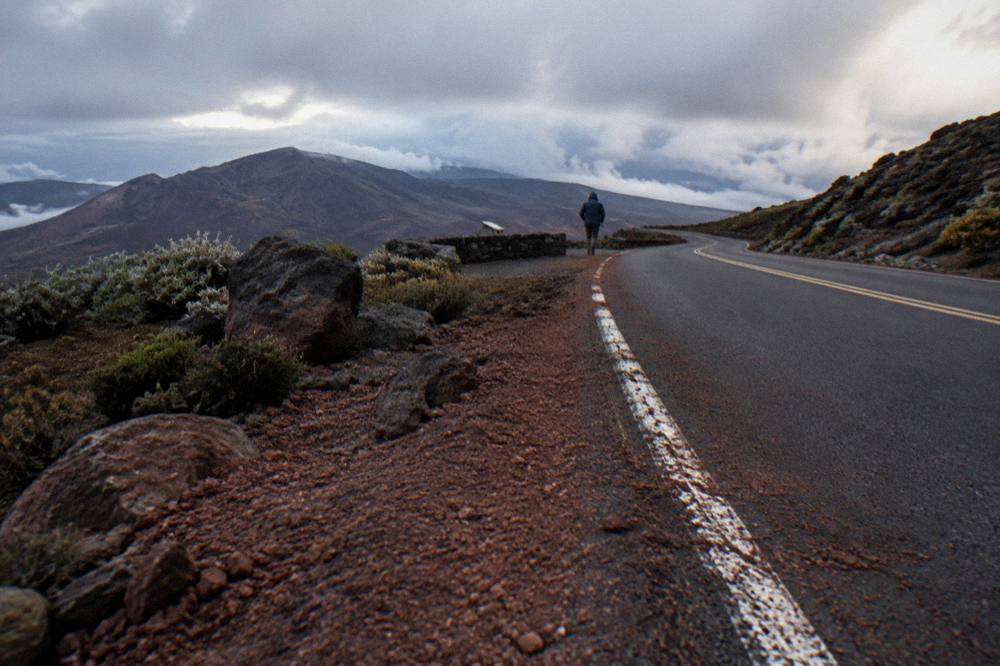
Altitude deserves one honest paragraph. The summit stands at 10,023 feet, the park lists altitude sickness symptoms plainly, and the advice is to descend if they worsen. Move slowly on the first hour at altitude, drink water, and treat the crater hike as the strenuous walk the park says it is, not a stroll.
If your day is flexible rather than fixed, the free and low-cost alternatives, including the Hosmer Grove loop and sunset viewing, are laid out in the free things to do at Haleakala guide. A final note on expectations: weather decides. Some mornings the summit sits inside the cloud, some evenings the stars never appear, and the park does not close for anything short of extreme weather. Build the day so that the drive, the hike and the plan are worth it even when the view isn't given. That is the honest version of this itinerary, and it is the version that holds up.
Common Questions About One Day At Haleakala
Can you do Haleakala sunrise and sunset in one day?
Yes, and it is a natural pairing because both happen in the same Summit District. Sunrise needs the $1.00 per-vehicle reservation for entry between 3:00 and 7:00 a.m.; sunset needs no reservation at all. The gap between them, roughly 6:00 a.m. to 6:00 p.m., is best filled with the crater hike, the overlooks and a meal outside the park.
What can I do in Haleakala National Park in one day?
Summit sunrise, a short walk into the crater on the Sliding Sands first overlook (0.5 mile round trip), the Kalahaku and Leleiwi overlooks, the Hosmer Grove loop, sunset from a summit lot, and stargazing after dark. Guided versions of the morning and evening blocks run from $236 and $222 per person respectively.
How early do you need to leave for Haleakala sunrise?
From Kahului, count 45 minutes to an hour to the Summit District plus 30 minutes from the entrance gate to the summit lots, and arrive before first light. From Lahaina allow 1.5 to 2 hours of driving. In midsummer, sunrise is about 5:44 a.m., which can mean a 3:00 a.m. hotel departure.
Is one day enough for Haleakala National Park?
One day covers the Summit District well, from sunrise to stars. What it cannot comfortably include is the Kipahulu District past Hana, which is 2.5 to 3 hours of driving each way from Kahului. The $30 vehicle pass is valid three days and both districts, so a second day is already paid for.
Do you need a tour for Haleakala or can you drive yourself?
You can drive yourself: the road is paved, the overlooks are roadside, and only the 3:00 to 7:00 a.m. window needs the reservation. A tour adds pickup, breakfast, a guide and park authorization, and removes the pre-dawn drive and the dark descent, which is why many one-day visitors book the morning block and drive only the afternoon.
What should I not miss at Haleakala in one day?
The summit sunrise view across the crater, one walk below the rim, and the evening sky. If you must cut something, cut the afternoon overlooks rather than the morning or the evening, since the crater's two best hours are its first and its last.